 Falafel in Hotpot

Bridge • Issue 01
The story behind the name
People always ask where the name Falafelinhotpot comes from.
القصة وراء الاسم
A cultural journal at the confluence of the Arab world and China. Language, food, poetry, business, history — explored as equals.
Bridge • Issue 01
People always ask where the name Falafelinhotpot comes from.
القصة وراء الاسم
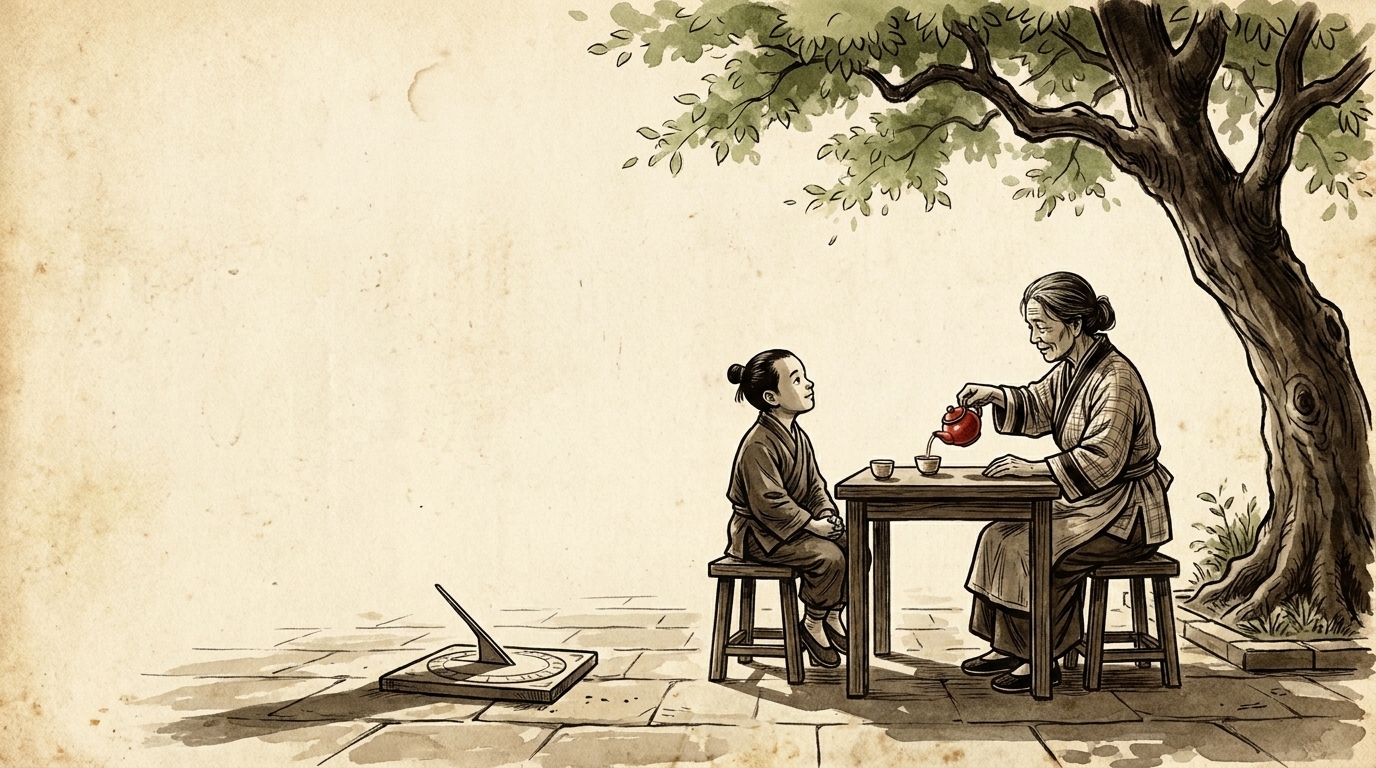
Bridge • Issue 02
The answer was inshallah. Three weeks later, it happened.
ثقافتان لا تستعجلان
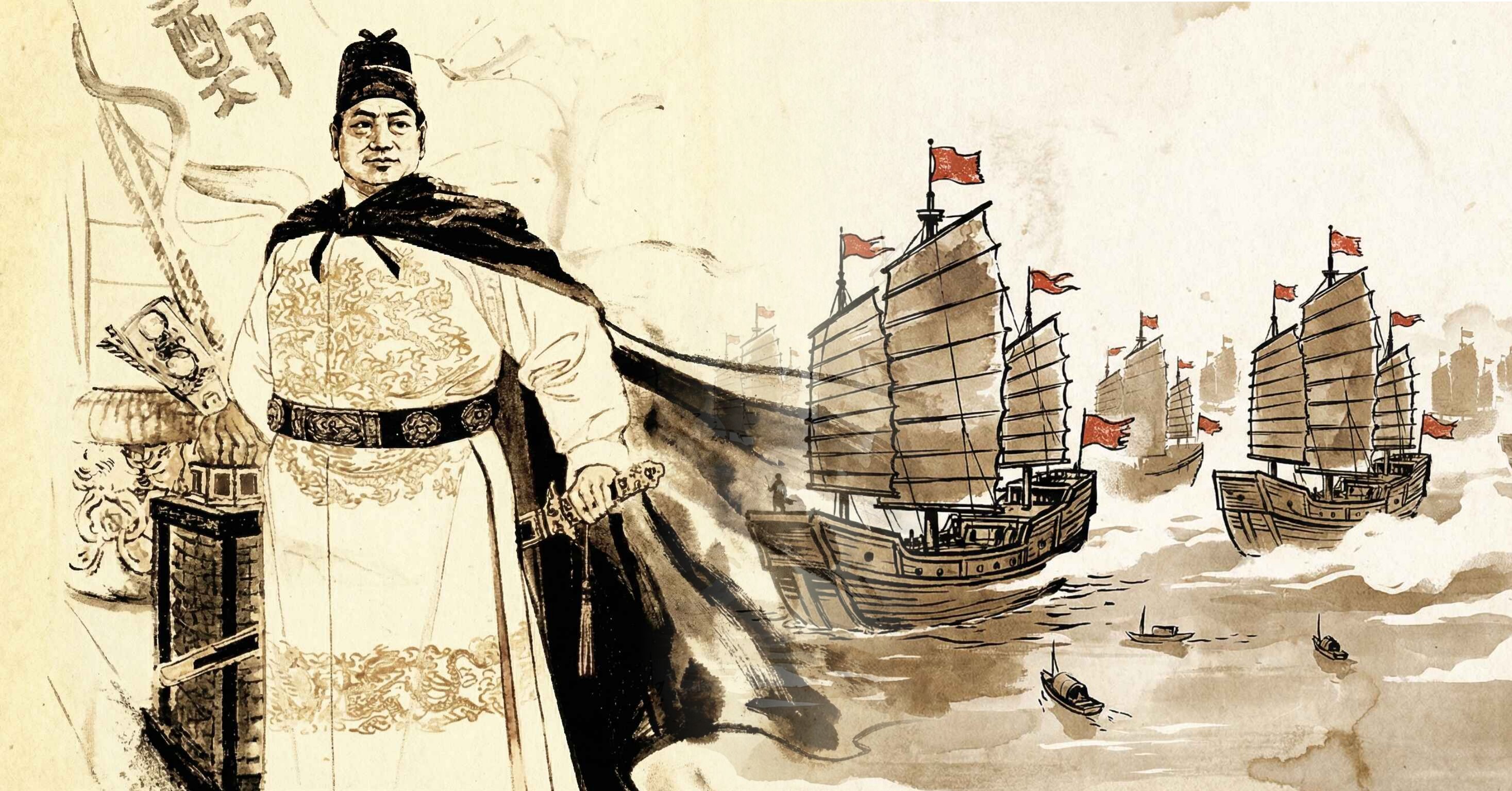
Bridge • Issue 03
The homecoming - why the China-Arabia relationship is not new.
كان هنا قبل أن يولد فاسكو دا غاما
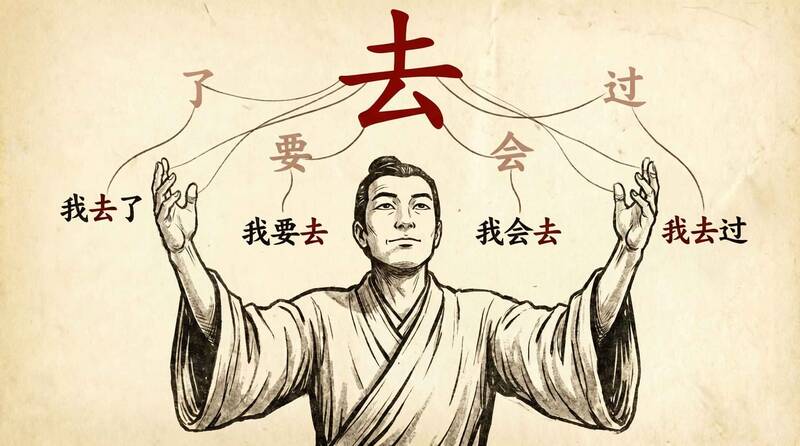
Bridge • Issue 04
Every time I tell someone I speak Chinese, I get the same reaction.
السر النحوي الذي يجعل الصينية أبسط مما تظن
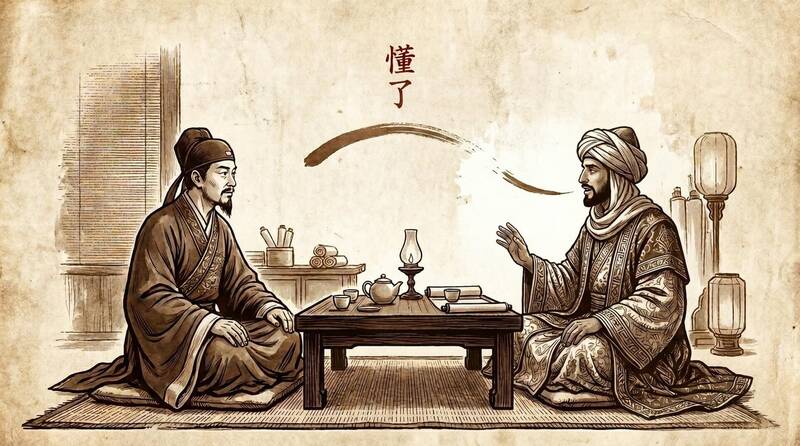
Bridge • Issue 05
China and the Arab world have something in common that nobody ever taught you.
لم يقولوا لا أبداً. لكن الجواب كان دائماً لا.
Bridge • Issue 06
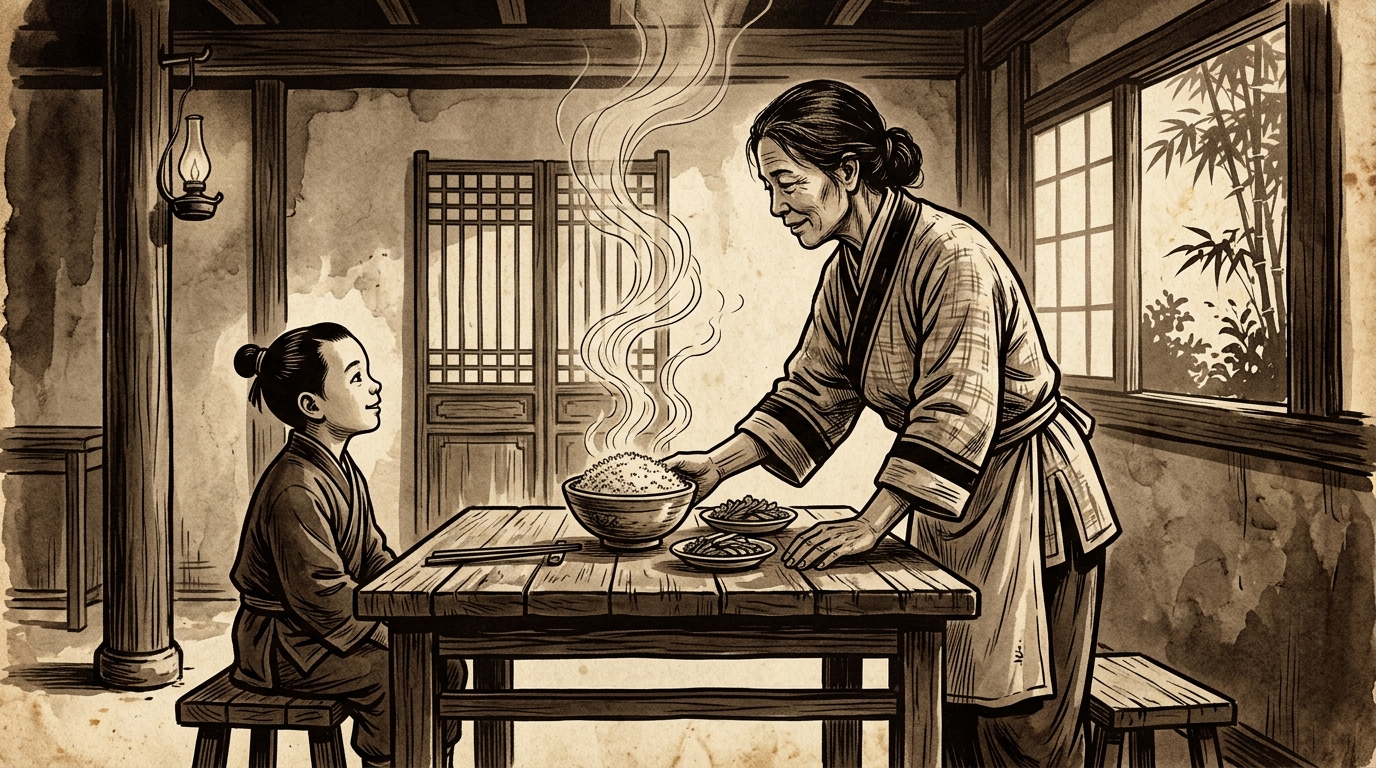
It is cooked. It is placed in front of you. It is portioned without explanation.
لم يقل أحد أحبك. لكن المائدة كانت ممتلئة.

Bridge • Issue 07
Most Arabs know China as a trade partner. A rising power. A complicated relationship.
٢٦ مليون مسلم. بلد واحد. قصص لم يخبرك بها أحد.

Bridge • Issue 08
In China and the Arab world, you don't just marry a person.
الحب، الزواج، والعائلة التي لديها رأي في كل شيء.

Bridge • Issue 09
Neither culture will tell you directly that you have done something wrong.
ثقافة العيب في الصين والعالم العربي.
Bridge • Issue 10
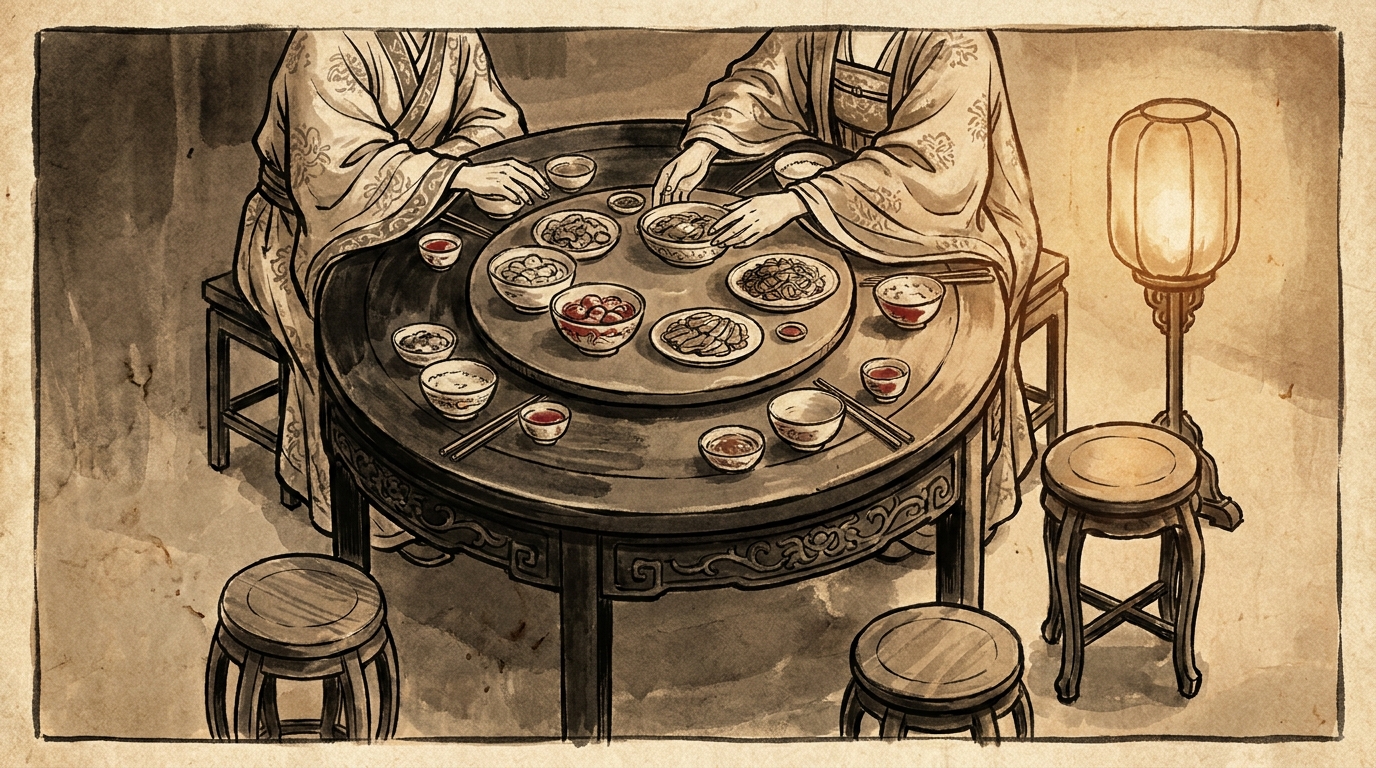
In China and the Arab world, sharing is not a gesture.
لا أحد يأكل وحده. لا أحد.
Bridge • Issue 11
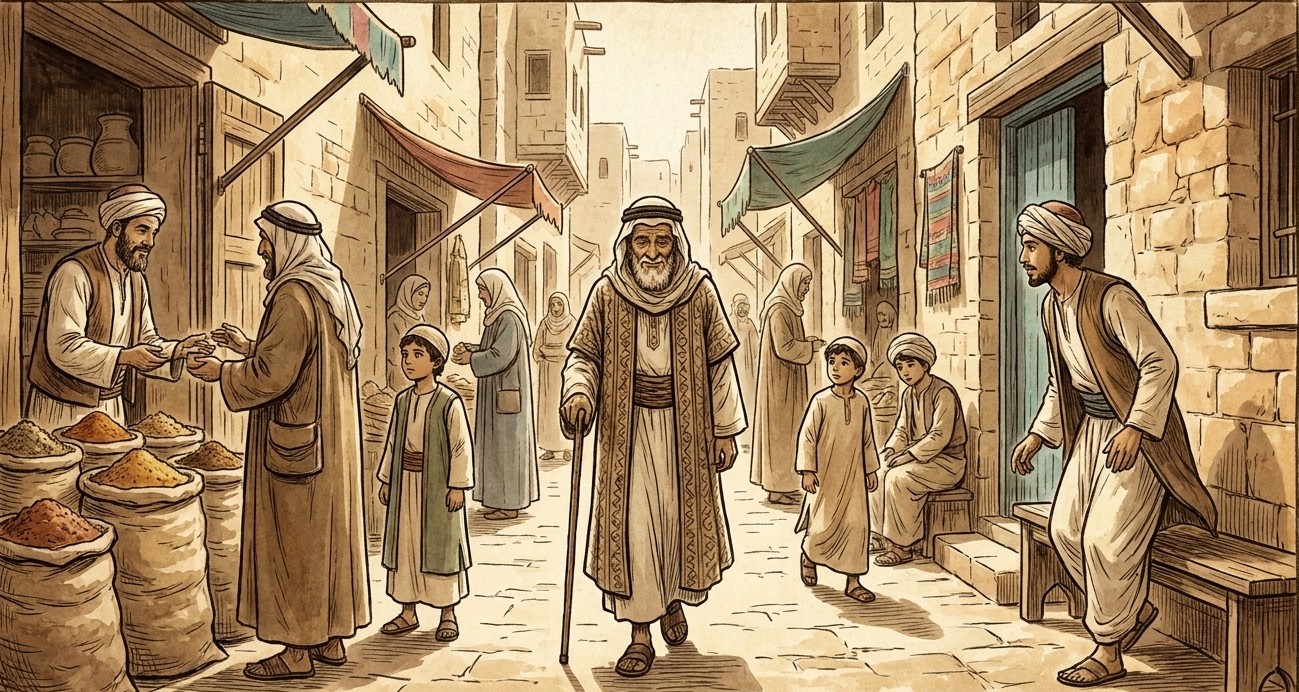
In the West, the relationship between generations is remarkably horizontal. A twenty-five year old and a sixty-five year old can be genuine friends. They…
كلما تقدّمت في العمر، كلما ازددت قيمةً.
Bridge • Issue 12
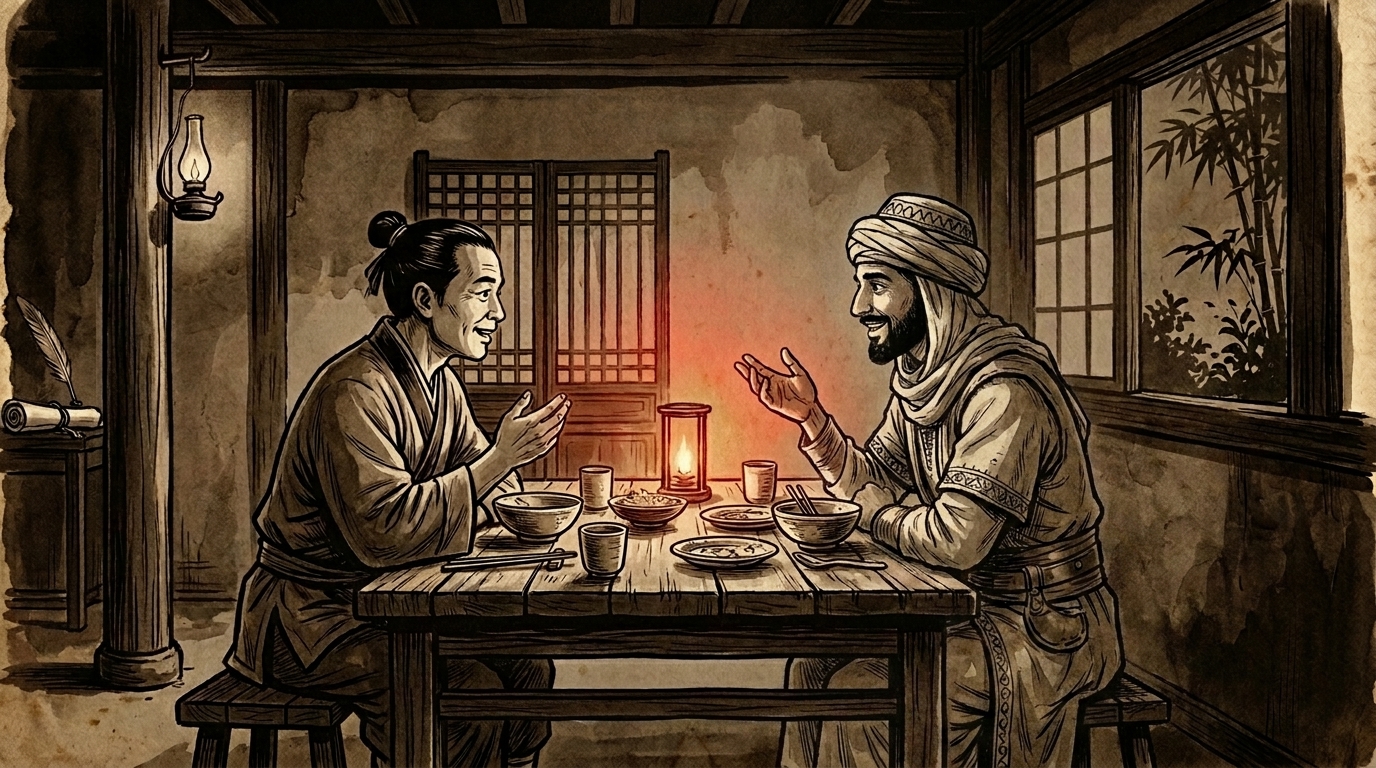
the deal from the relationship. They are the same thing.
العمل أمر شخصي. لطالما كان كذلك.

Learn • Issue 01
Every character started as a drawing. A picture of something real — an animal, a natural force, a shape in the world. Over thousands of years those drawings…
Learn • Issue 02
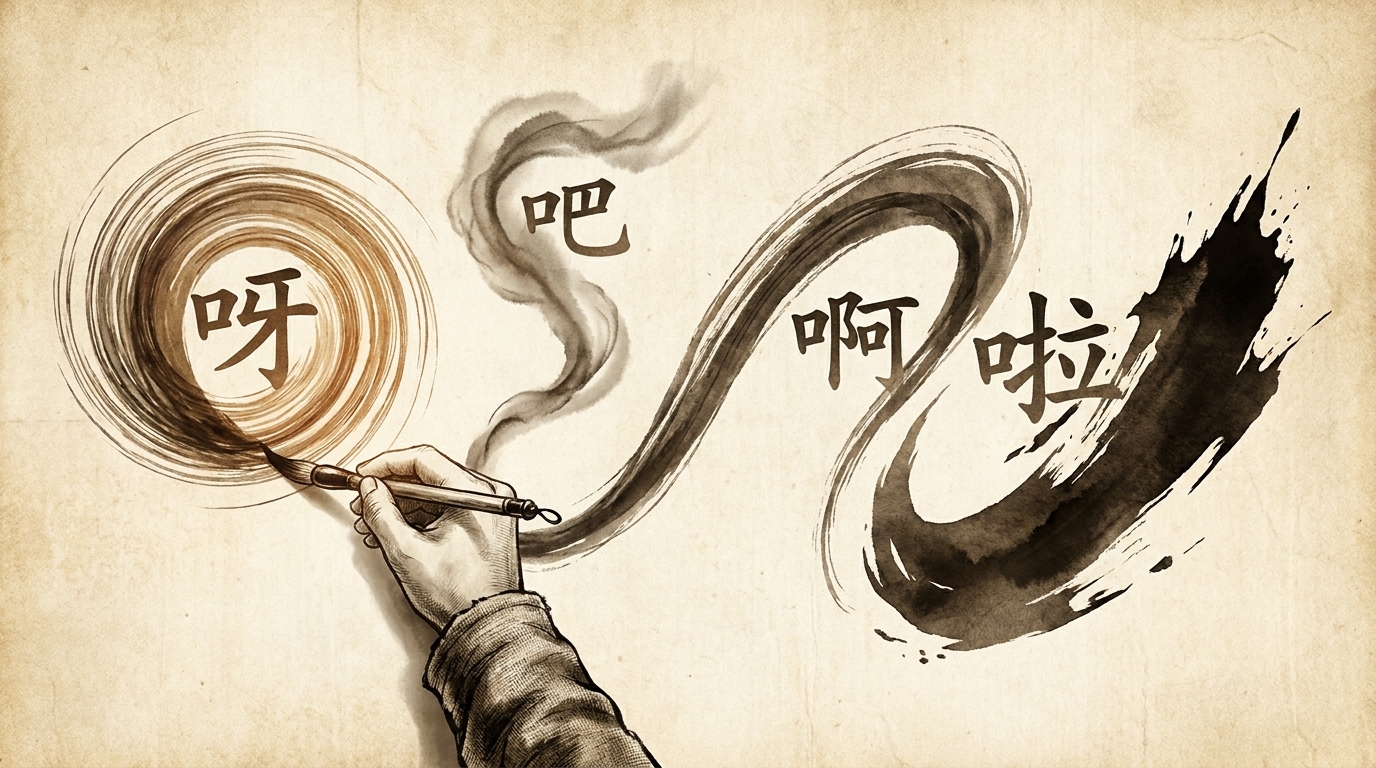
It is not a mistake. It is not an accent thing. It is a habit so deeply wired into how Chinese people communicate that it follows them even when they switch…
Learn • Issue 03
In English, you feel blue when you are sad. You see red when you are angry. Chinese does the same thing — but the colours land in completely unexpected places.…
Learn • Issue 04
Chinese has a whole vocabulary of animal expressions used to describe people — their character, their behaviour, their energy. Some are compliments. Some are…
Learn • Issue 05
Chinese is full of four-character expressions — 成语 chéngyǔ — that use numbers to paint a picture of a person's character, behaviour, or energy. The numbers are…
Learn • Issue 06
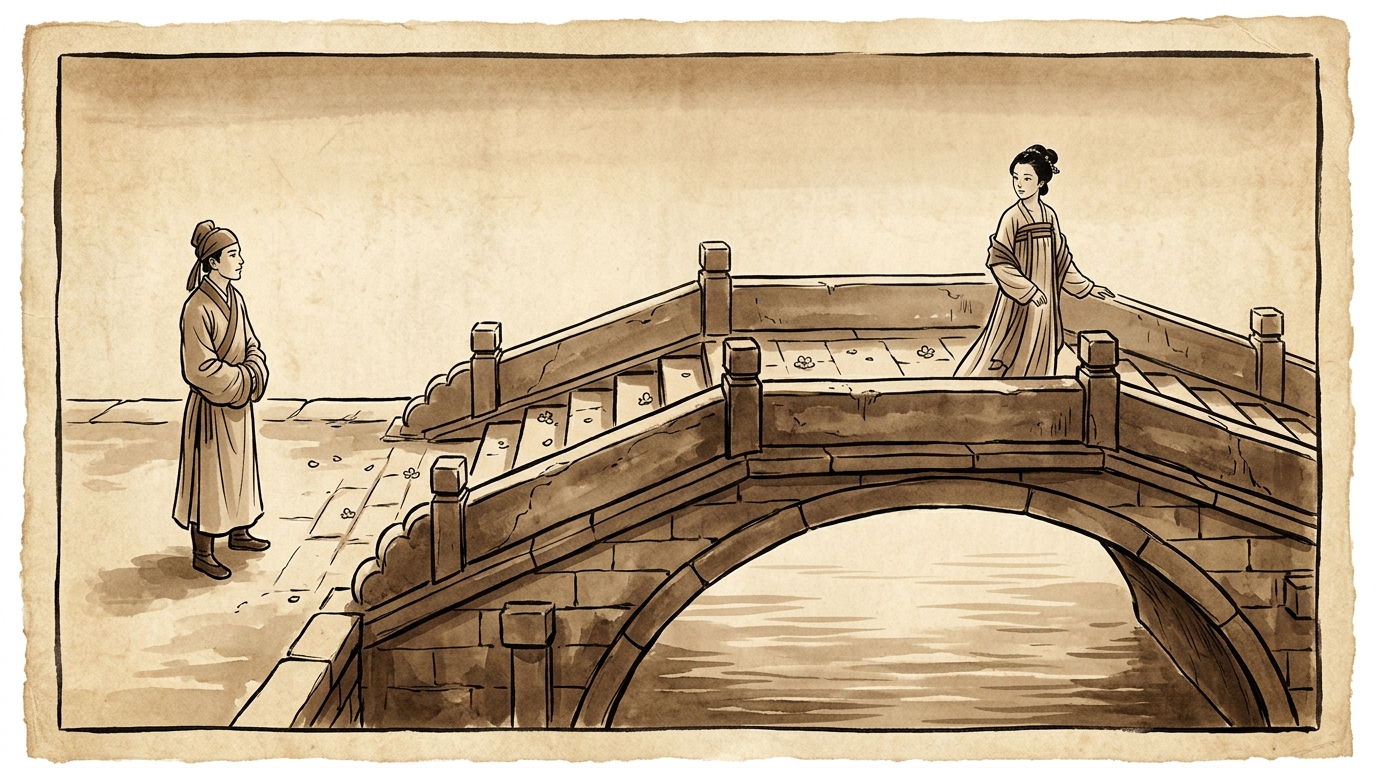
Many of you have been asking how to flirt in Chinese — well, today I am giving it all away unconditionally! Here are the actual phrases Chinese people use to…
Learn • Issue 07
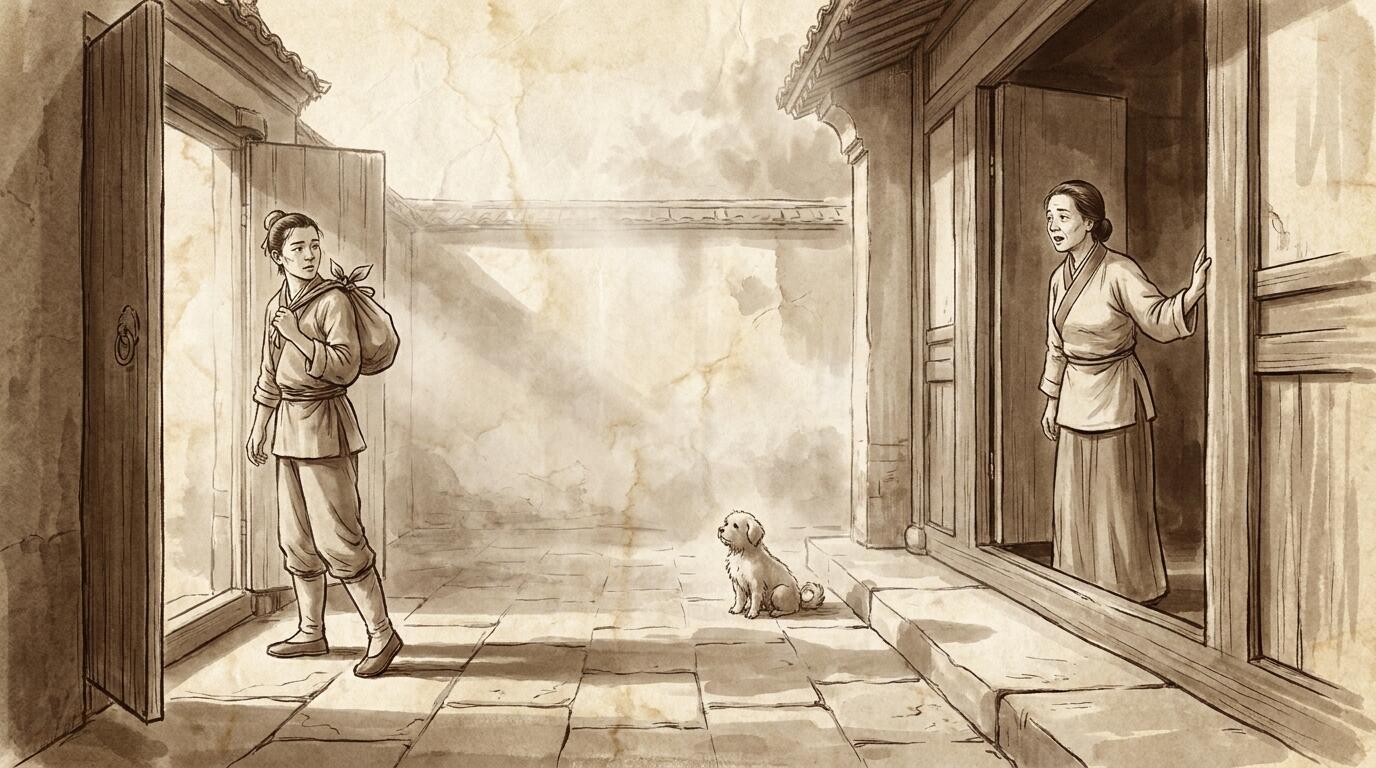
In Chinese culture, 我爱你 — I love you — exists. But it is said rarely. Carefully. Only when truly meant. For everything else — the daily, ordinary, relentless…
Learn • Issue 08
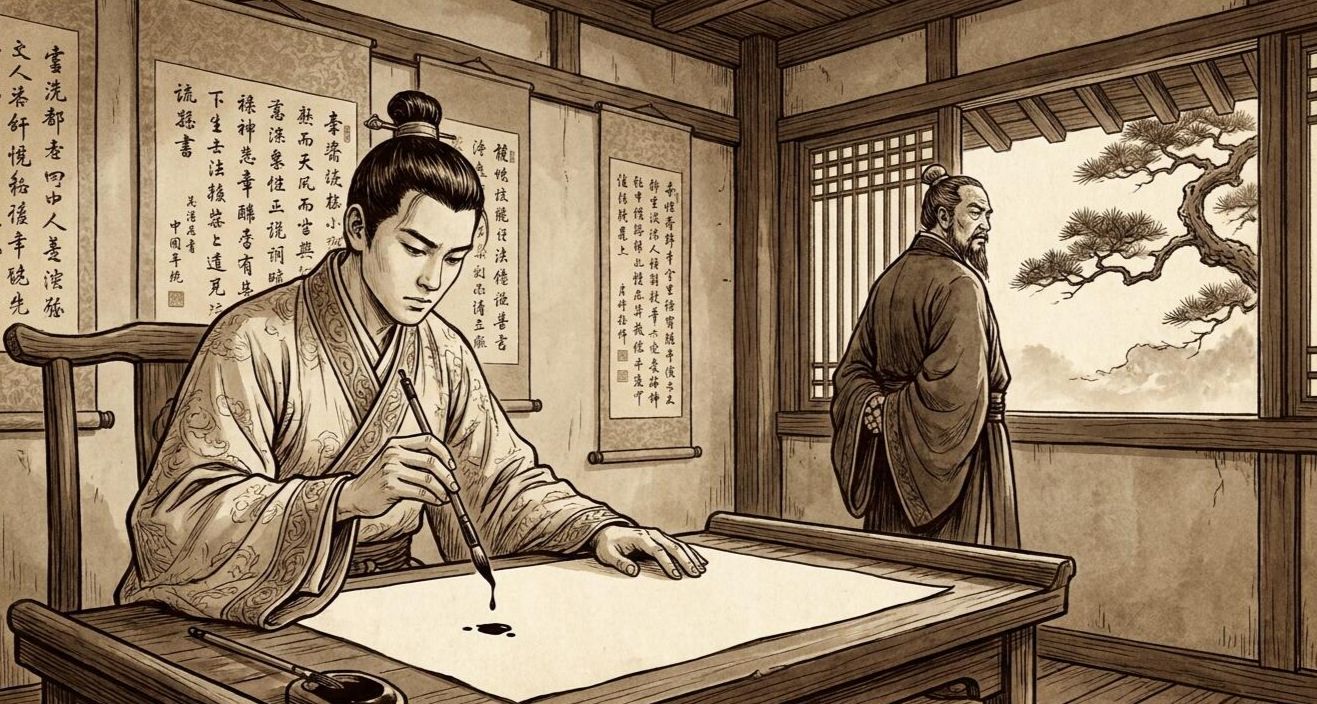
So instead, Chinese people say something else. Something that sounds like maybe, or not quite, or let me think about it — and means no. Every single time. Here…