 Falafel in Hotpot
Bridge • Issue 01
The story behind the name
People always ask where the name Falafelinhotpot comes from.
القصة وراء الاسم
A cultural journal at the confluence of the Arab world and China. Language, food, poetry, business, history — explored as equals.
Bridge • Issue 01
People always ask where the name Falafelinhotpot comes from.
القصة وراء الاسم
Bridge • Issue 02
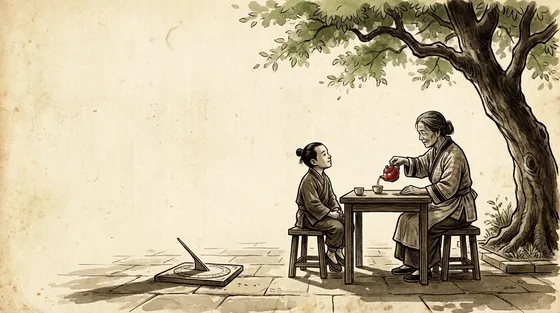
The answer was inshallah. Three weeks later, it happened.
ثقافتان لا تستعجلان
Bridge • Issue 03
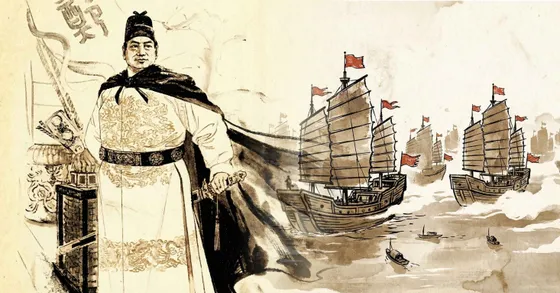
The homecoming - why the China-Arabia relationship is not new.
كان هنا قبل أن يولد فاسكو دا غاما
Bridge • Issue 04
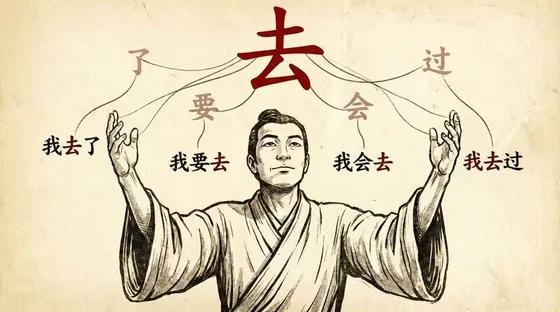
Every time I tell someone I speak Chinese, I get the same reaction.
السر النحوي الذي يجعل الصينية أبسط مما تظن
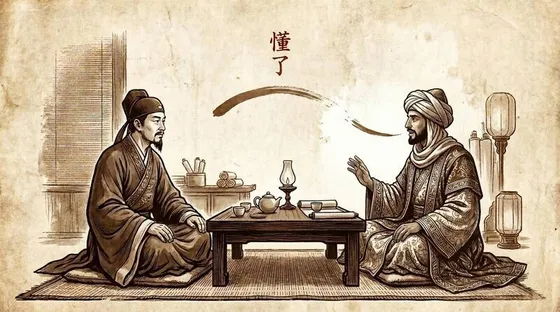
Bridge • Issue 05
China and the Arab world have something in common that nobody ever taught you.
لم يقولوا لا أبداً. لكن الجواب كان دائماً لا.
Bridge • Issue 06
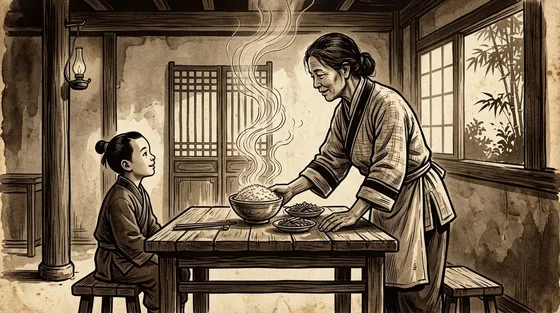
It is cooked. It is placed in front of you. It is portioned without explanation.
لم يقل أحد أحبك. لكن المائدة كانت ممتلئة.
Bridge • Issue 07
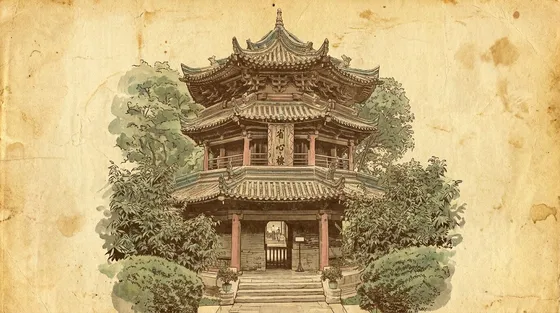
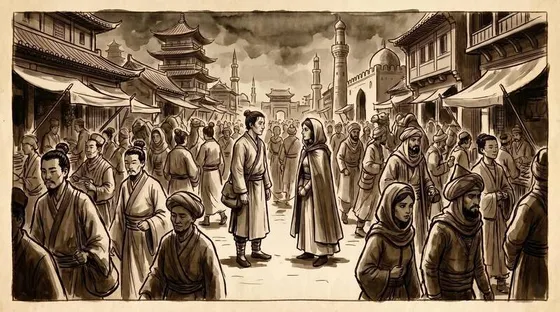
Most Arabs know China as a trade partner. A rising power. A complicated relationship.
٢٦ مليون مسلم. بلد واحد. قصص لم يخبرك بها أحد.
Bridge • Issue 08
In China and the Arab world, you don't just marry a person.
الحب، الزواج، والعائلة التي لديها رأي في كل شيء.
Bridge • Issue 09
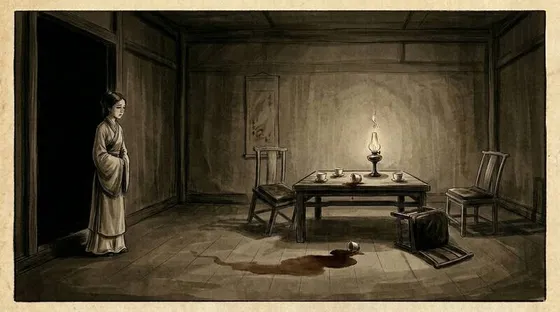
Neither culture will tell you directly that you have done something wrong.
ثقافة العيب في الصين والعالم العربي.
Bridge • Issue 10
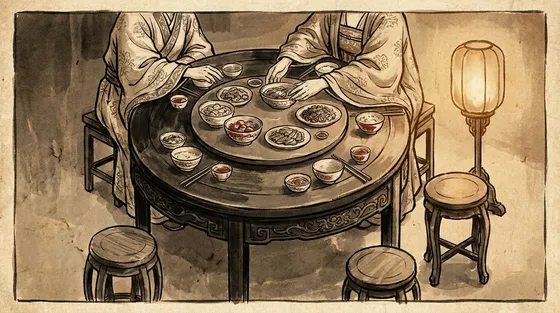
In China and the Arab world, sharing is not a gesture.
لا أحد يأكل وحده. لا أحد.
Bridge • Issue 11
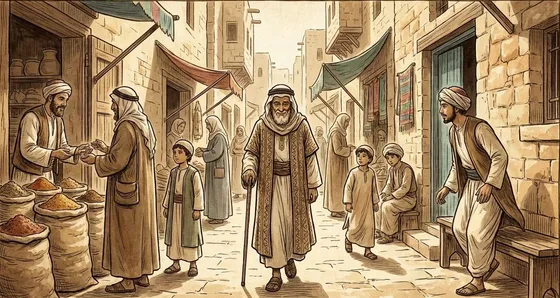
In the West, the relationship between generations is remarkably horizontal. A twenty-five year old and a sixty-five year old can be genuine friends. They…
كلما تقدّمت في العمر، كلما ازددت قيمةً.
Bridge • Issue 12
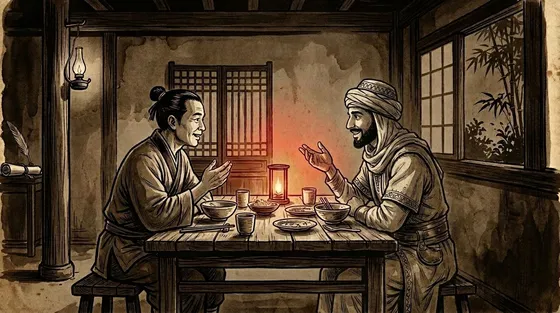
the deal from the relationship. They are the same thing.
العمل أمر شخصي. لطالما كان كذلك.
Bridge • Issue 13
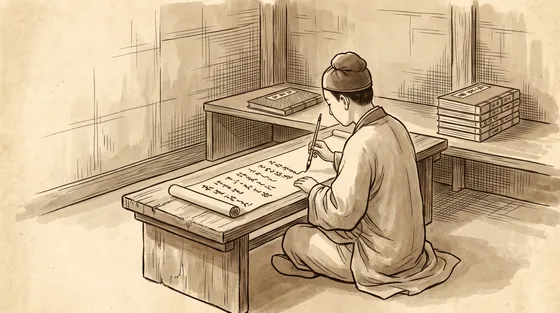
What if I told you there's a version of Chinese written right to left — in the Arabic alphabet?
كتبوا الصينية بحروف عربية. لستمائة عام.
Bridge • Issue 14
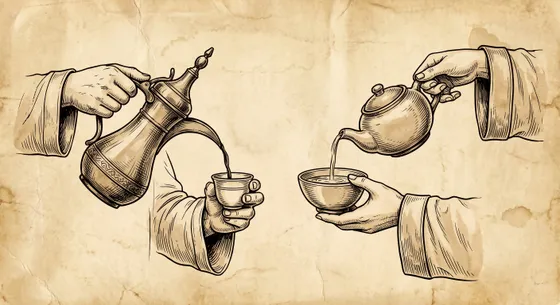
Two hospitality cultures, thousands of miles apart — the exact same ritual.
الشاي الصيني، والقهوة العربية.
Bridge • Issue 15
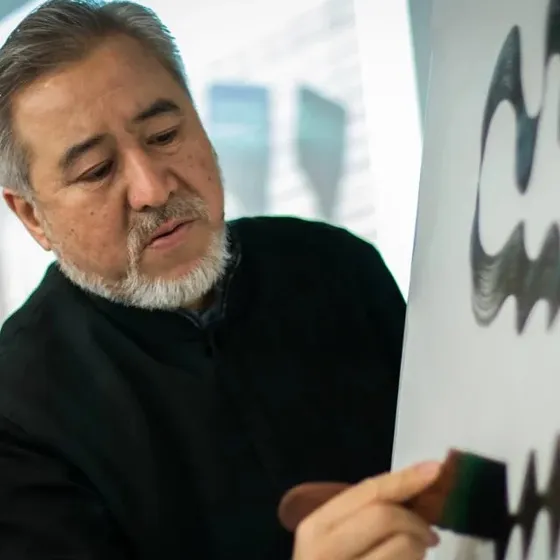
One man ignored both rules. His entire life's work is the thing this newsletter keeps trying to describe — except he does it with ink instead of words.
الرجل الذي يكتب العربية بفرشاة صينية.
Bridge • Issue 16
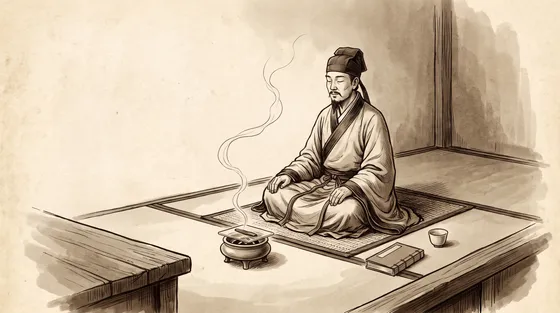
China burns agarwood to disappear into thought; Arabia burns it to welcome you into the room. One precious tree resin — completely opposite rituals.
نفس الخشب، يُحرق لسببين متضادين.

Bridge • Issue 17
A Tang-dynasty mistranslation, three color-coded caliphates, and the word Mecca didn't have yet.
داشي : اسم العرب قديماً
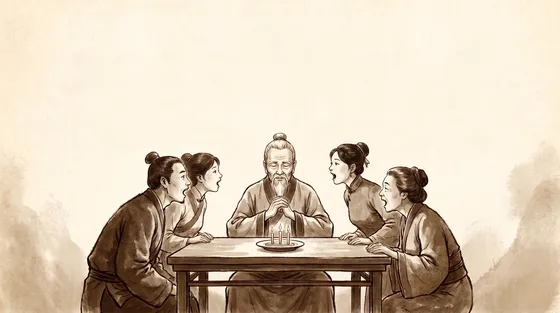
Bridge • Issue 18
Cake. Candles. A song sung slightly off-key every single year, for every single person. That's not universal — it's just one culture's habit, dressed up as a human default.
لم يتفق أحد على الاحتفال بعيد ميلادك
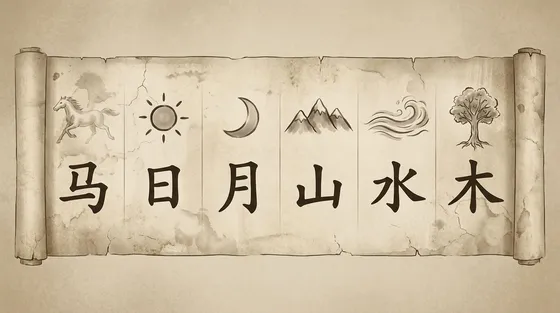
Learn • Issue 01
Every character started as a drawing. A picture of something real — an animal, a natural force, a shape in the world. Over thousands of years those drawings…
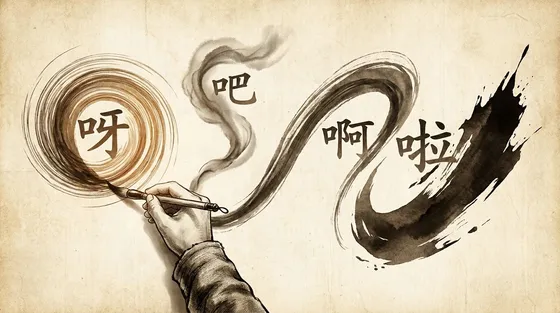
Learn • Issue 02
It is not a mistake. It is not an accent thing. It is a habit so deeply wired into how Chinese people communicate that it follows them even when they switch…
Learn • Issue 03
In English, you feel blue when you are sad. You see red when you are angry. Chinese does the same thing — but the colours land in completely unexpected places.…
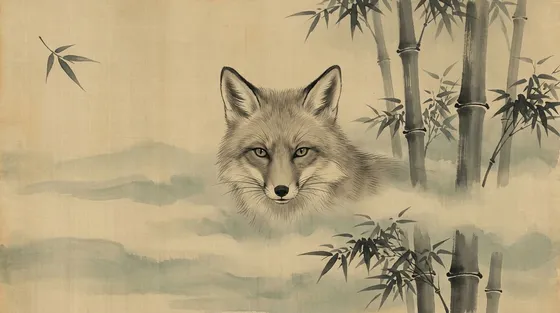
Learn • Issue 04
Chinese has a whole vocabulary of animal expressions used to describe people — their character, their behaviour, their energy. Some are compliments. Some are…
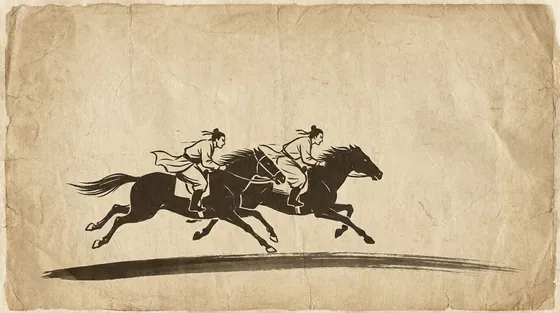
Learn • Issue 05
Chinese is full of four-character expressions — 成语 chéngyǔ — that use numbers to paint a picture of a person's character, behaviour, or energy. The numbers are…
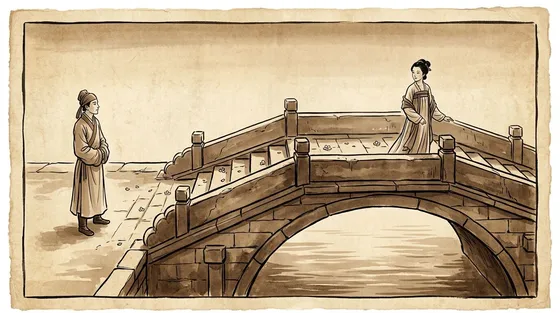
Learn • Issue 06
Many of you have been asking how to flirt in Chinese — well, today I am giving it all away unconditionally! Here are the actual phrases Chinese people use to…
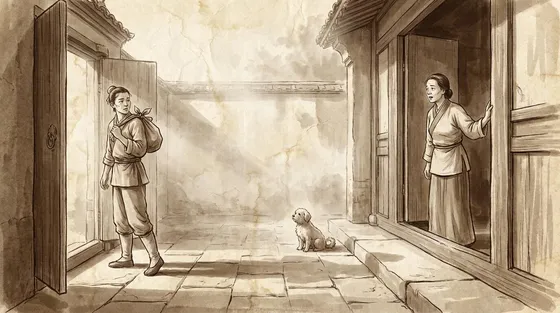
Learn • Issue 07
In Chinese culture, 我爱你 — I love you — exists. But it is said rarely. Carefully. Only when truly meant. For everything else — the daily, ordinary, relentless…
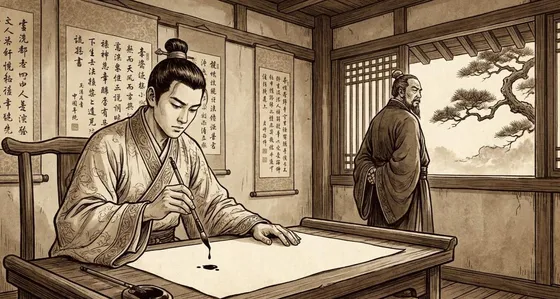
Learn • Issue 08
So instead, Chinese people say something else. Something that sounds like maybe, or not quite, or let me think about it — and means no. Every single time. Here…
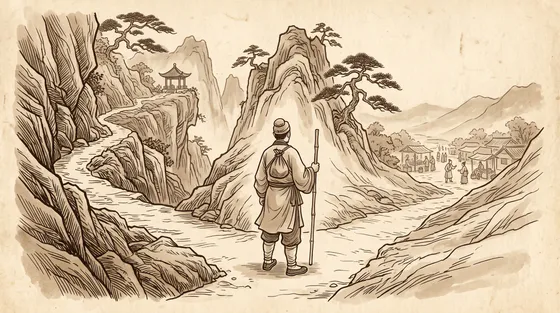
Learn • Issue 09
The most important thing about learning is the goal. Most people skip this step entirely — and that one missing question is exactly why so many people quit.
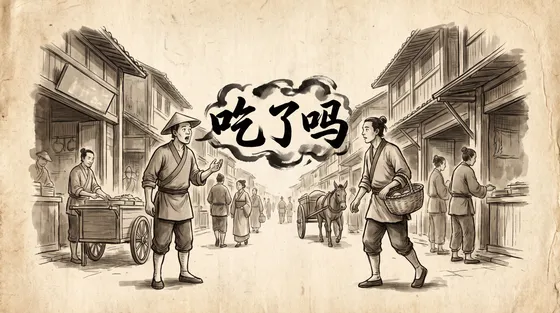
Learn • Issue 10
If you've studied Chinese from a textbook, you probably learned 你好 for hello, 你好吗 for "how are you," and 很高兴认识你 for "nice to meet you." All technically correct. Almost nobody actually talks like this.
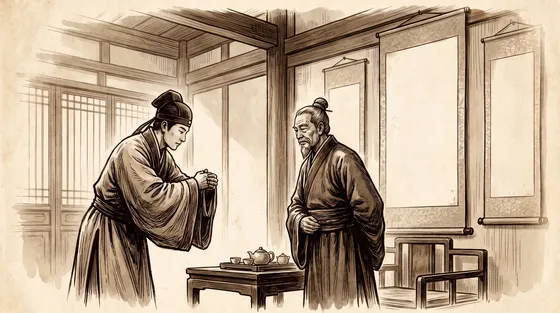
Learn • Issue 11
Everyone learns 很高兴认识你. Almost nobody in real business settings actually leads with it. Here are five phrases that'll make you sound like you actually know what you're doing.
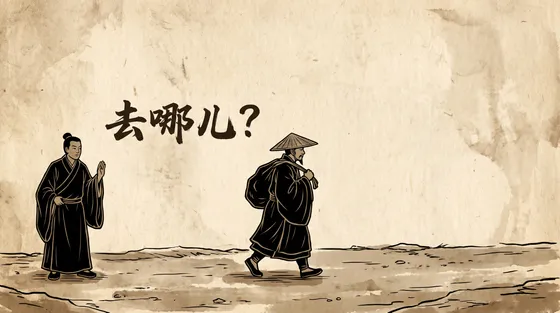
Learn • Issue 12
你好吗 is grammatically perfect, and every Chinese person will understand exactly what you mean. It's also almost never what people actually say. Real "how are you" in Chinese asks about something specific instead.
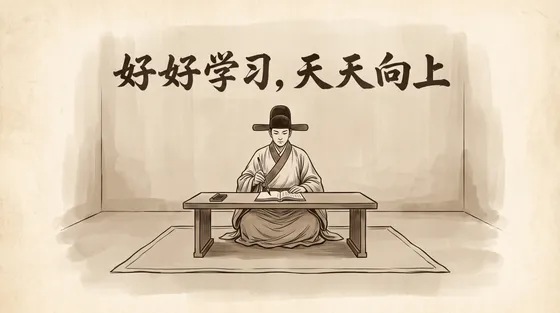
Learn • Issue 13
Before Duolingo, there was 毛选. For decades, Chinese language classes — inside China and out — leaned on Selected Works of Mao Zedong for one simple reason: the sentences are short, the grammar is clean, and the rhythm sticks.
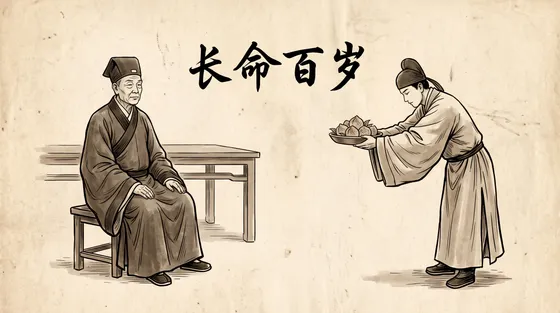
Learn • Issue 14
On 生日快乐 and the handful of phrases that make it sound like you mean it — six phrases for the next birthday you're at.