 Falafel in Hotpot

Bridge • Issue 02
Inshallah is not what Westerners think it means
The answer was inshallah. Three weeks later, it happened.
ثقافتان لا تستعجلان
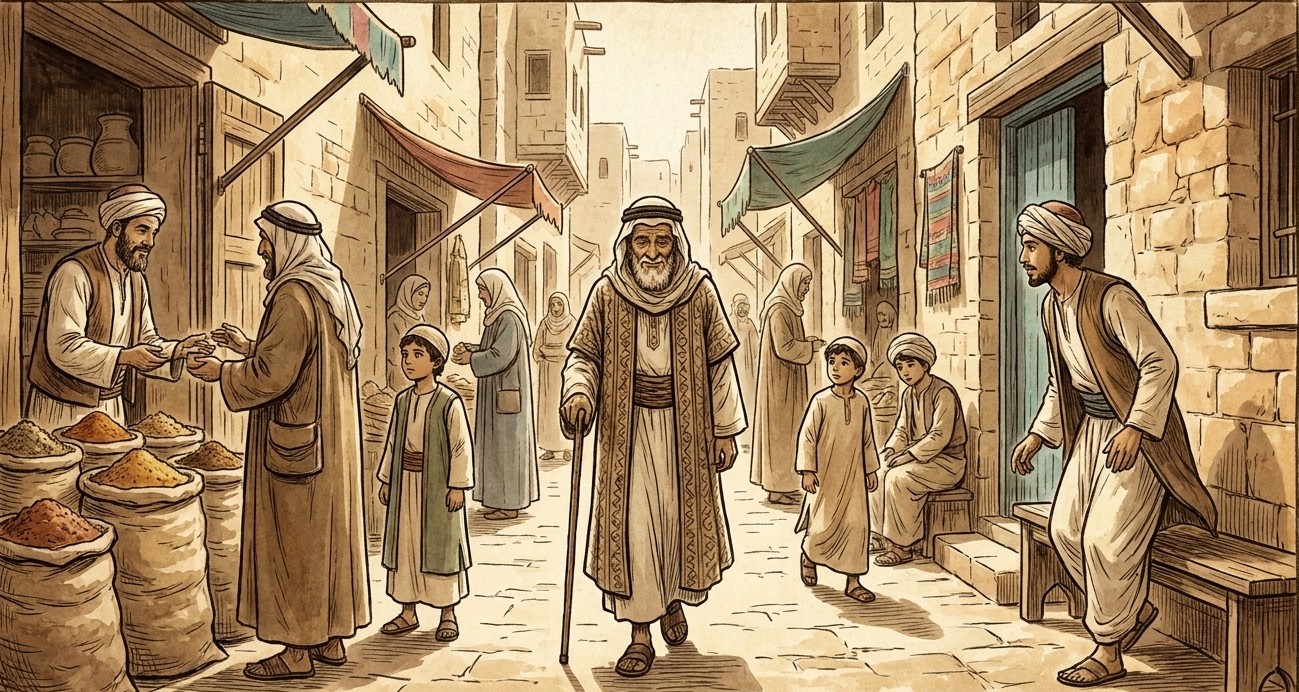
I was trying to schedule a meeting in Riyadh once.
The answer was inshallah. Three weeks later, it happened.
I didn’t find this frustrating. I’d grown up saying the same thing — just in a different language
慢慢来 — màn màn lái. Slowly come. Take your time. No rush. It’s one of those phrases I heard constantly growing up, said with such warmth that urgency felt almost rude by comparison. It sounds gentle. It is gentle. But it also carries something quietly wise: don’t pretend you control the clock.
When I first heard inshallah in Arabic, I recognised it immediately — not the word, but the feeling behind it. The same release. The same humility before time. One phrase bows to circumstance. The other bows to God. Both arrive at the same place.
إن شاء الله and 慢慢来
Both phrases confuse outsiders. Westerners hear 慢慢来 and think the person is telling them to slow down — a criticism. They hear inshallah and think the person is being evasive — a dodge.
Both readings are wrong.
In Chinese culture, 慢慢来 is an offering. You say it to someone who is struggling, rushing, or stressed. You are giving them permission to breathe. It is one of the most generous things you can say to another person.

In Arab culture, inshallah is the same offering — but directed upward. It is not a refusal. It is an acknowledgement that human plans are fragile things, and that humility before time is not weakness — it is wisdom.

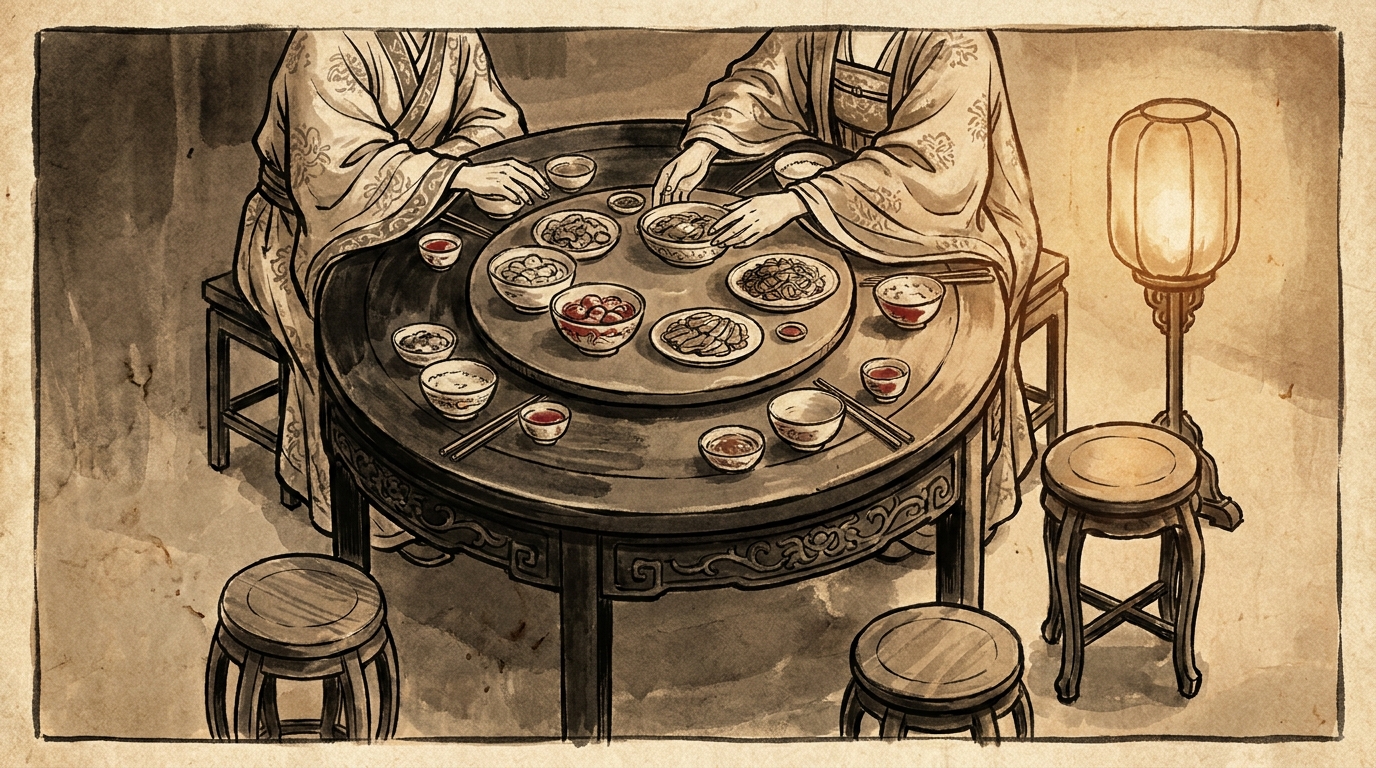
The cultures that produce these phrases tend to measure a good life differently from cultures that don’t. They measure it in the quality of relationships, the depth of meals, the length of conversations. Not in the number of items crossed off a list by 5pm.
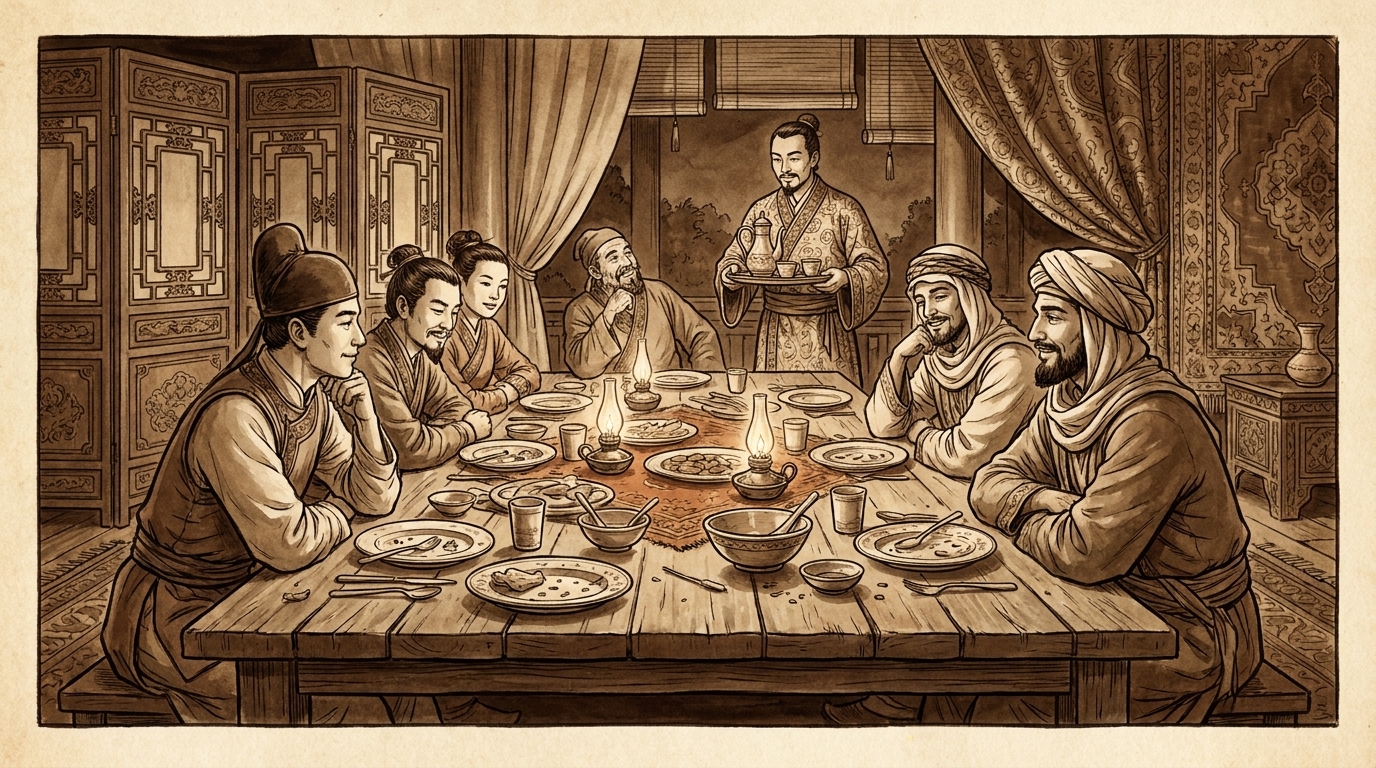
Next time someone says 慢慢来 to you, hear it the way it is meant. As kindness. As space. As an invitation to stop pretending that you control the clock.