 Falafel in Hotpot
Bridge • Issue 06
Nobody said I love you
It is cooked. It is placed in front of you. It is portioned without explanation.
لم يقل أحد أحبك. لكن المائدة كانت ممتلئة.
In Chinese and Arab culture, love is not declared.
It is cooked. It is placed in front of you. It is portioned without explanation.
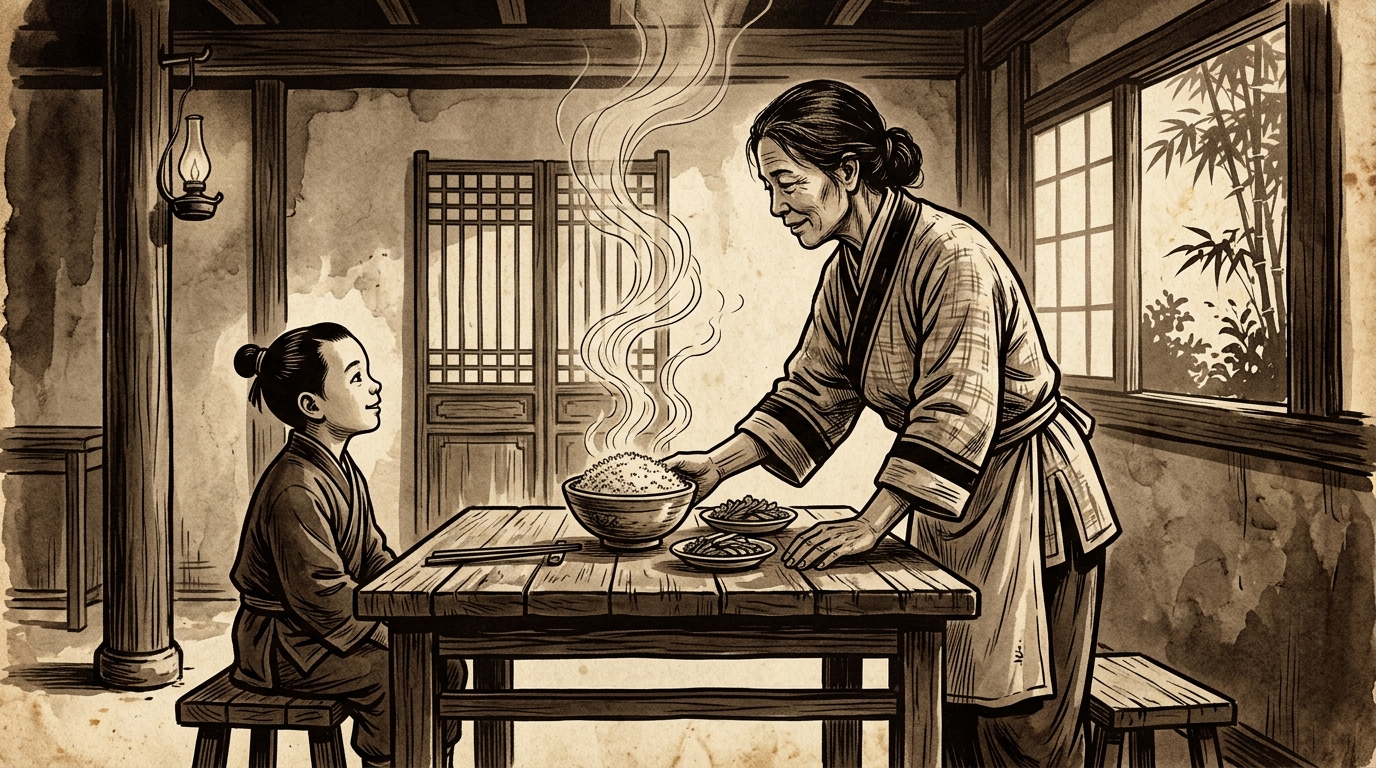
In Chinese, there is a question that sounds completely ordinary on the surface — have you eaten? Four characters. Mundane if you take them at face value. But anyone who grew up inside Chinese culture knows this question is almost never about food. A mother texting at noon. A friend calling after a hard week. When they ask, they are not checking your appetite. They are saying: I thought about you today. I love you — in the only way they know how without saying it directly.
The words are about rice. The meaning is about everything else.
The Arab table
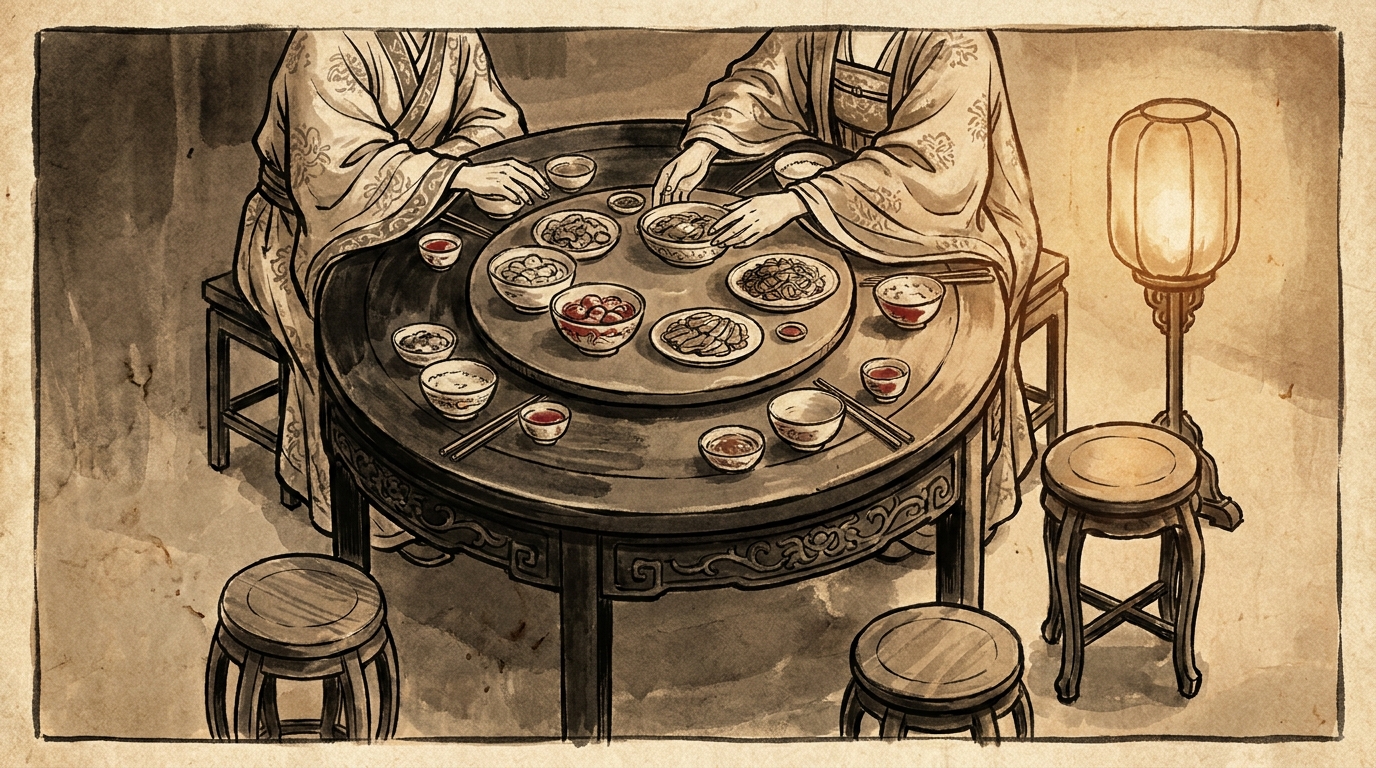
In Arab culture, the table makes the same declaration differently. When a host keeps refilling your plate and refuses to accept that you are full, they are not ignoring you — they are honouring you. The fullness of the table says: you are worth this effort. A half-empty plate says something back. Everyone in the room hears it.
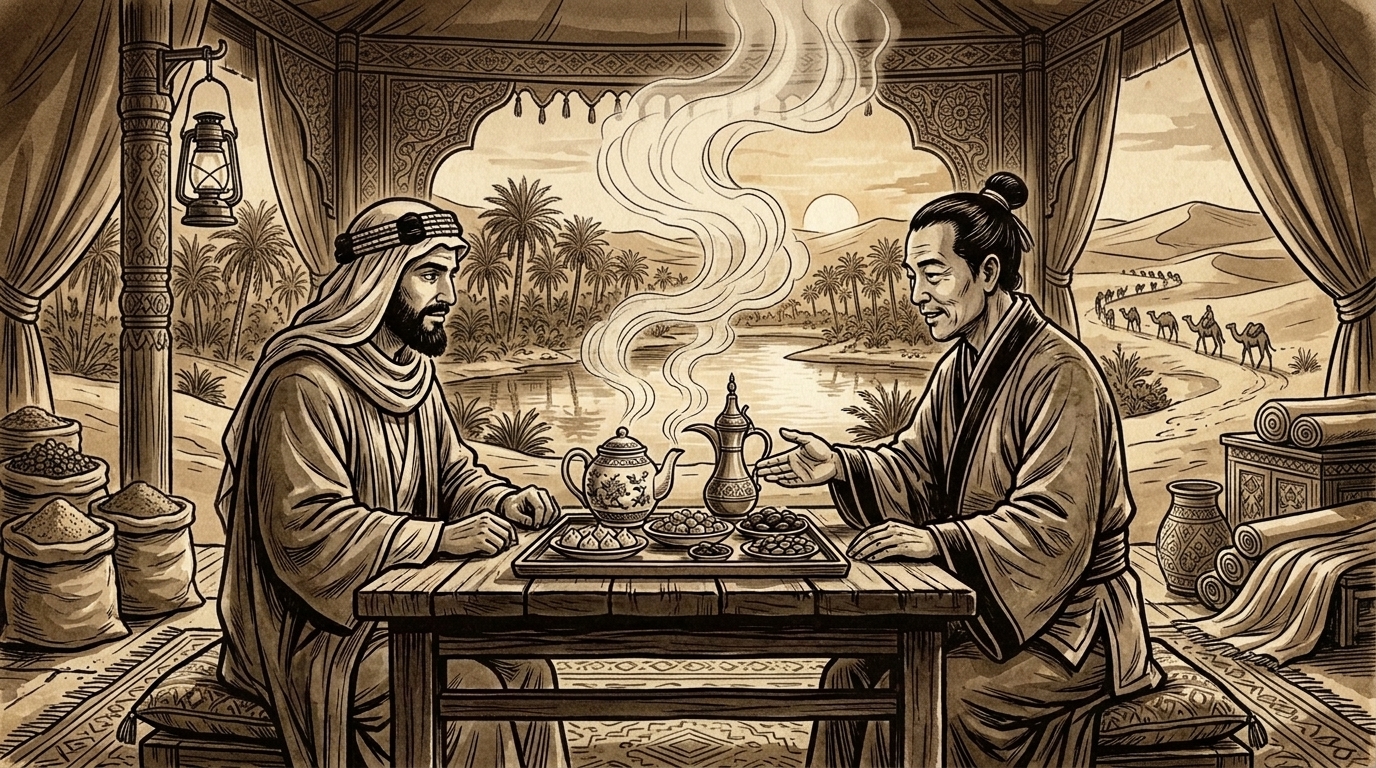
The same conclusion: care does not announce itself.
It shows up on the table.
you work across China and the Gulf, do not rush past the food moments. Before the business begins, someone will ask if you have eaten. Someone will insist you try something. That is not small talk. That is where the relationship is actually being built.
The next time someone asks if you have eaten — listen for what they are actually saying.