 Falafel in Hotpot
Bridge • Issue 07
26 million Muslims
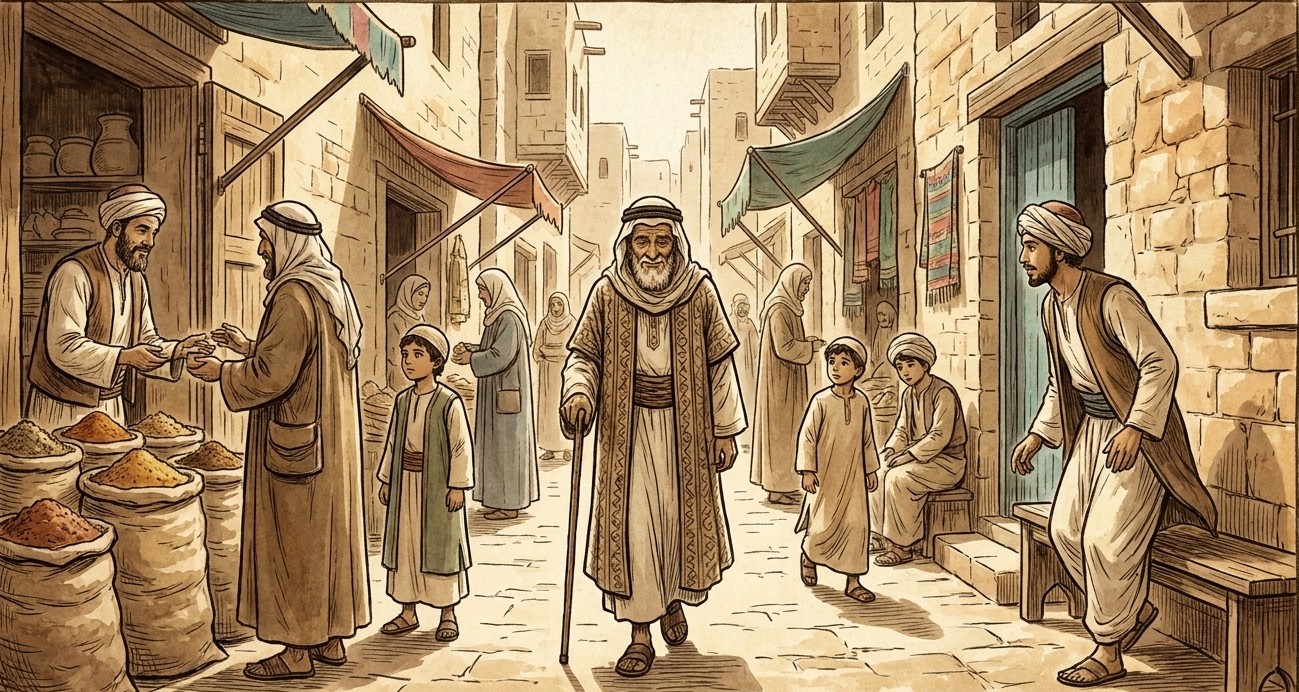
Most Arabs know China as a trade partner. A rising power. A complicated relationship.
٢٦ مليون مسلم. بلد واحد. قصص لم يخبرك بها أحد.
Most Arabs know China as a trade partner. A rising power. A complicated relationship.
Very few know that China has been home to Muslims for over 1,300 years.
Not converts. Not recent arrivals. Communities that have been praying, fasting, building mosques, and reading the Quran inside China since before most Arab dynasties even existed.
26 million Muslims. Ten officially recognised Muslim ethnic groups. Mosques that blend Arabic calligraphy with Chinese architecture in ways that will stop you completely in your tracks.
This is that story.
The Ten Groups
China officially recognises ten Muslim ethnic minorities. Each one arrived differently, settled differently, and built something different — but all of them are still here.
回族 — Huí zú
The Hui · approx. 11 million people
The largest Muslim group in China. Descended from Arab, Persian, and Central Asian traders who arrived via the Silk Road. They speak Mandarin, look Chinese, and have been Muslim for over a thousand years. Their mosques look like Chinese temples from the outside — and face Mecca from the inside.
维吾尔族 — Wéiwú’ěr zú
The Uyghurs · approx. 12 million people
A Turkic-speaking Muslim people in Xinjiang. Their food, music, and architecture are immediately recognisable to anyone who has spent time in Central Asia or the Arab world — a world within a world, in the far northwest of China.
撒拉族 — Sālā zú
The Salar · approx. 130,000 people
Descended from Central Asian Oghuz Turks who migrated in the 14th century. According to legend, they carried a white camel bearing a Quran, a jug of water, and soil from their homeland. The camel stopped. And they stayed.
The other seven — Kazakh, Dongxiang, Kyrgyz, Tajik, Uzbek, Tatar, Bonan — each carry their own history, their own languages, and their own quiet presence inside China’s borders.
The mosque that looks like a temple
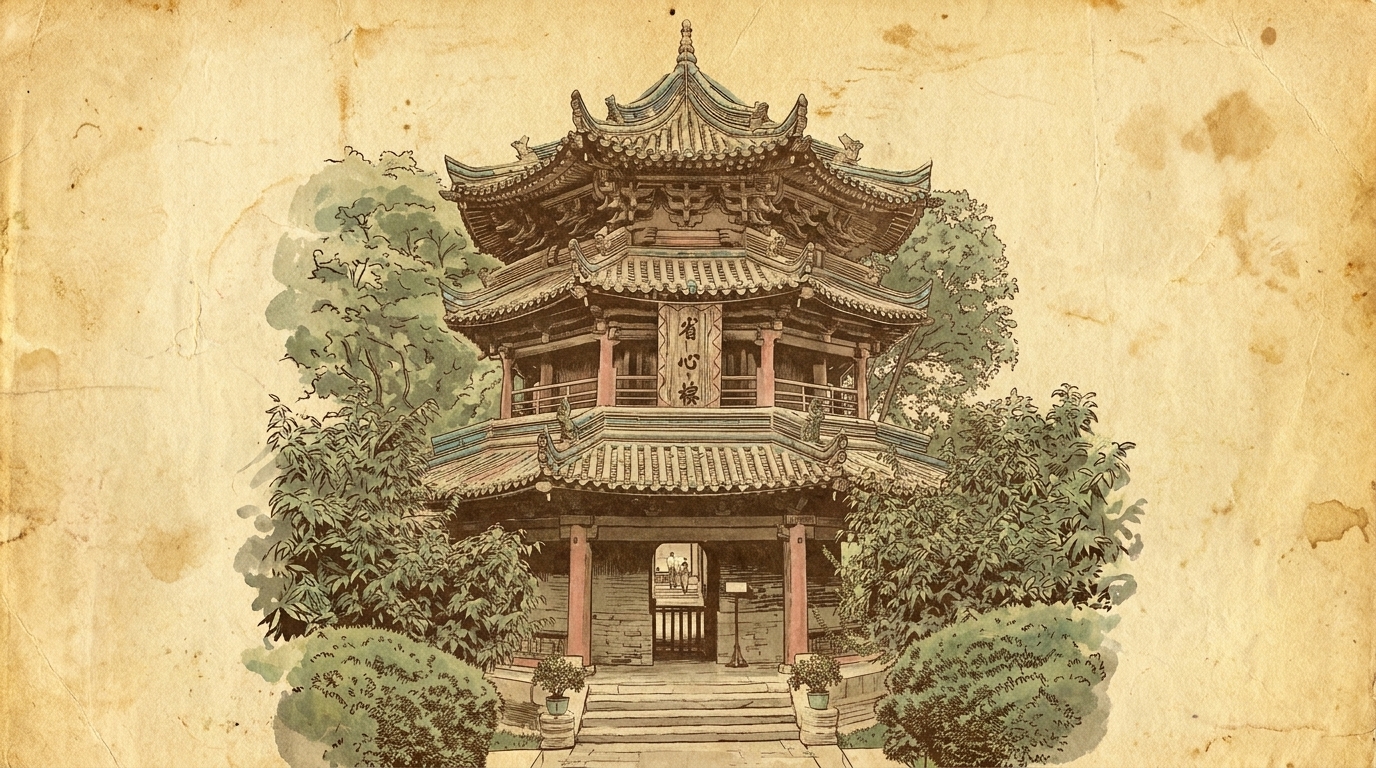
A Hui mosque in Xi’an has upturned eaves like a Chinese palace, red lacquered columns, a courtyard with a moon gate. And then you step inside — Arabic calligraphy on every wall, prayer rugs facing Mecca, the call to prayer at dawn.
The word that connects them all
清真 — qīngzhēn
Pure and true — the Chinese word for halal
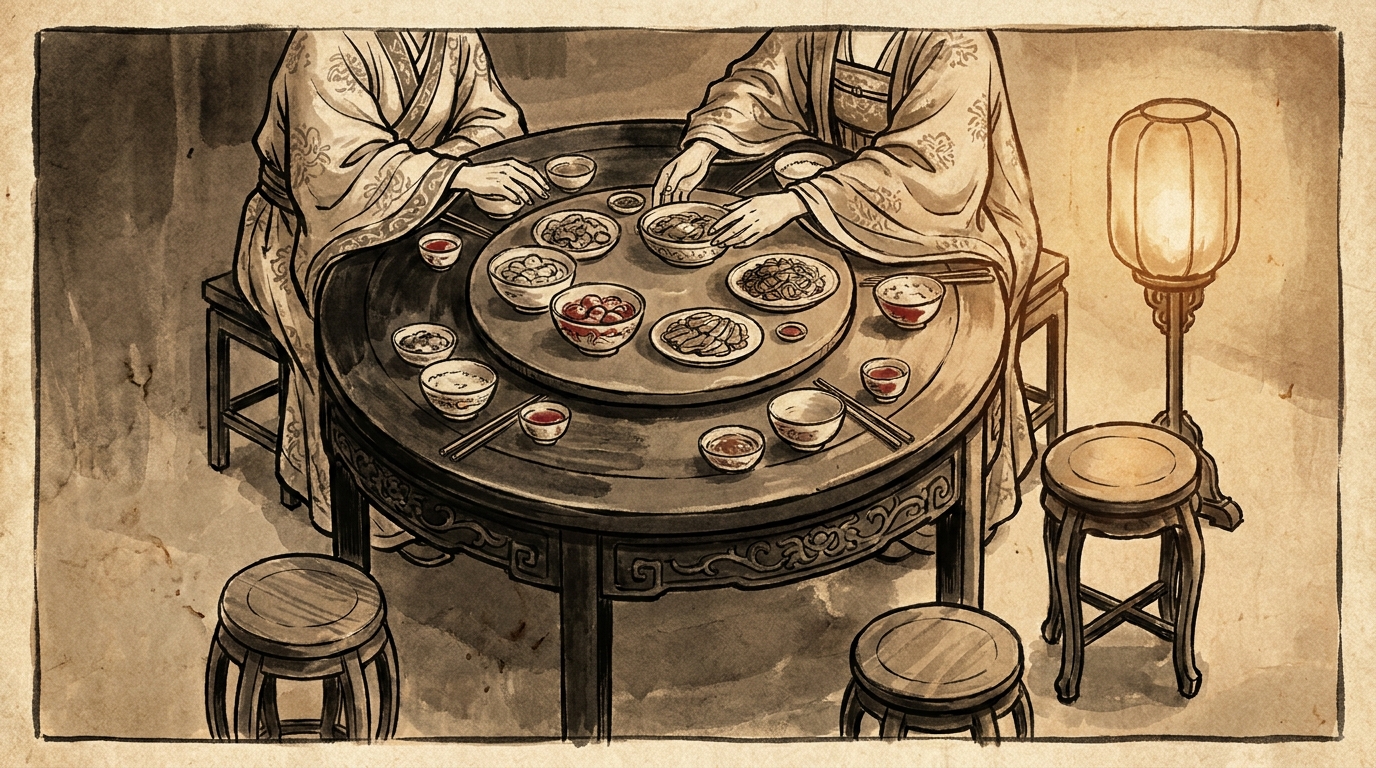
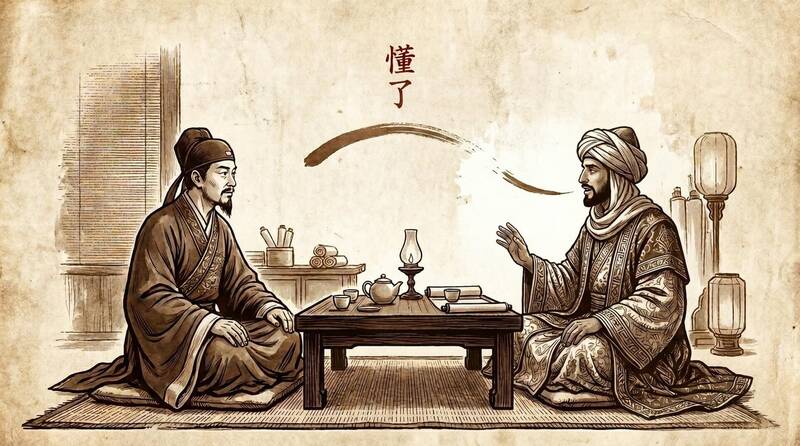
When you see 清真 above a restaurant door in China, you are reading a word that has stood in that position for over a thousand years. The oldest continuous meeting point between Arabic faith and Chinese language.
That is a long conversation between two civilisations. And it never stopped.