 Falafel in Hotpot

Bridge • Issue 08
Love, marriage, and the family that has opinions
In China and the Arab world, you don't just marry a person.
الحب، الزواج، والعائلة التي لديها رأي في كل شيء.
In China and the Arab world, you don’t just marry a person.
You marry a family. And the family has opinions.
Dating culture is where everything we’ve talked about in this newsletter comes together — the family pressure, the indirectness, the obsession with face, the belief in fate. All of it shows up most clearly in how two cultures approach love.
And Chinese and Arab dating culture are more similar than either side would like to admit.
The pressure nobody talks about out loud
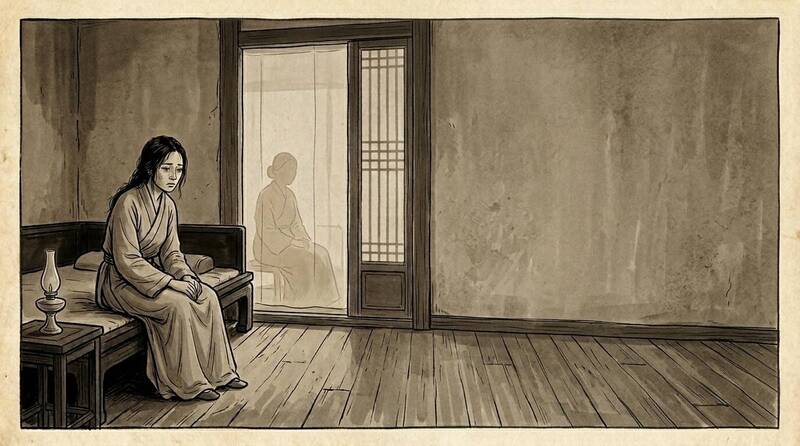
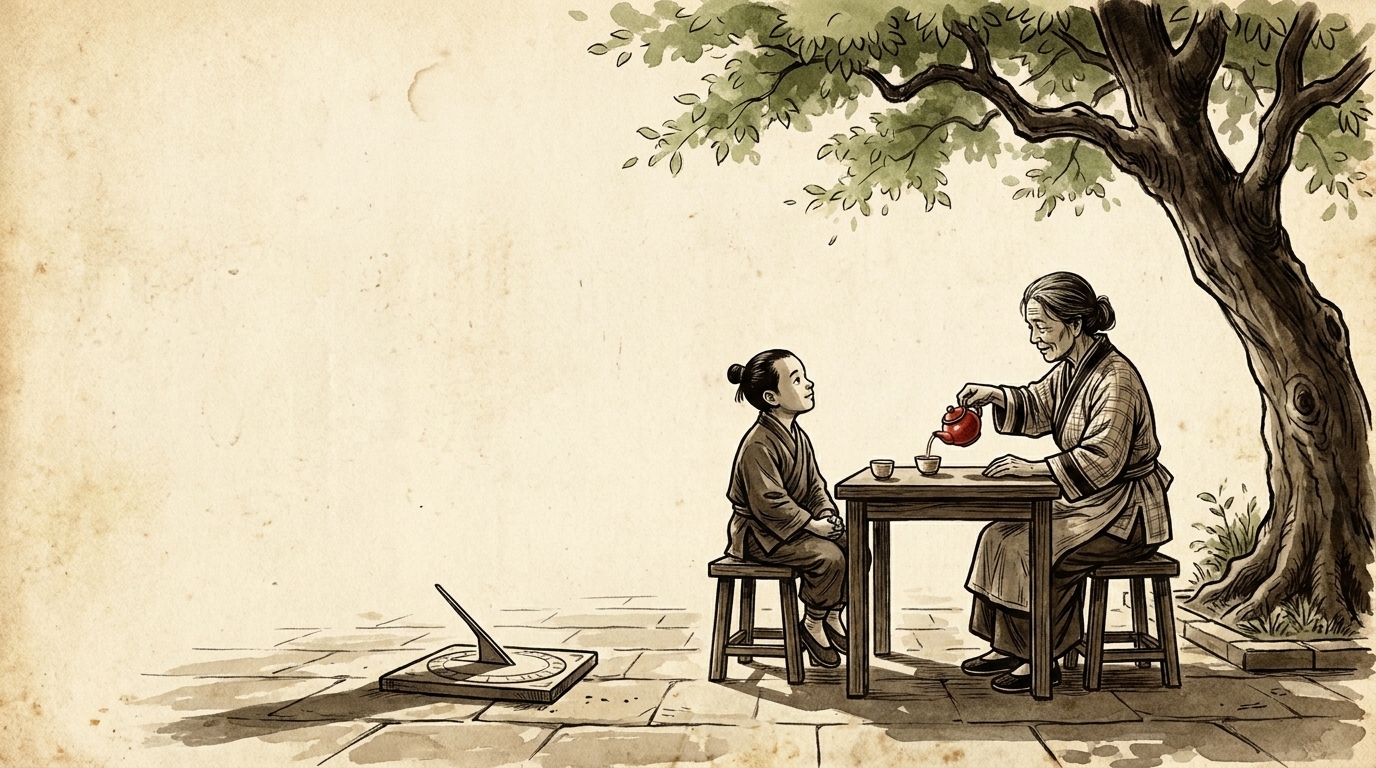
In China, there is a phenomenon called 剩女 — shèngnǚ — leftover women. It is a term used for women who are still unmarried past their mid-twenties. It is not a compliment. Chinese parents start asking about marriage when their child is around 22 or 23. By 25, the questions become weekly. By 28, they become a full family project.
Chinese parents have been known to place ads for their children in public parks — photos, educational background, salary, height — without telling the child. There are actual marriage markets in major Chinese cities where parents gather every weekend to find suitable matches for their adult children.

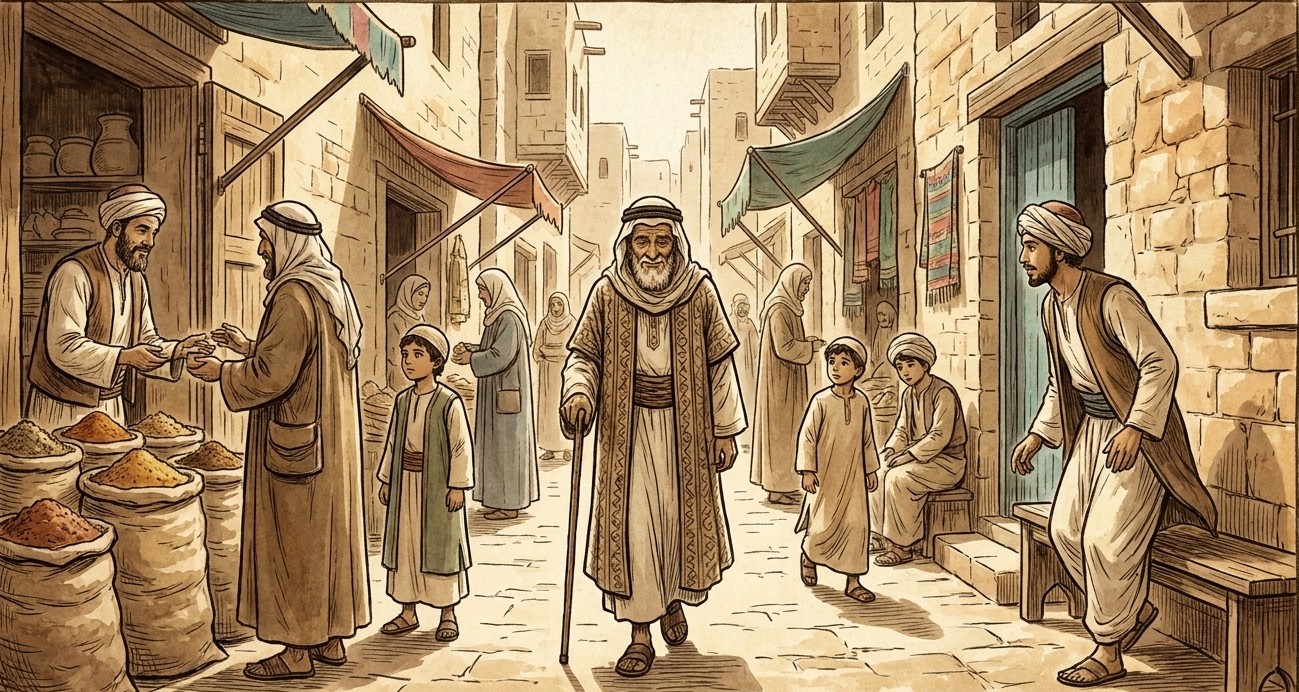
Arab parents do not need a park. They have aunties.
The Arab auntie network is one of the most efficient matchmaking systems ever created. By the time you have finished your degree, three aunties have already identified seven suitable candidates, discussed your prospects with their mothers, and are simply waiting for the right moment to bring it up — which is usually at a family gathering when you least expect it.
Dating — the part nobody announces
Here is the interesting thing about both cultures. Dating happens. It just does not always get announced.
In China, young people date — but many keep relationships private from their families until they are serious. Because introducing someone to your parents is not casual. It is a statement. It means: I think this person could be the one. Bringing someone home before you are sure is creating expectations you may not be able to meet. So people date quietly, carefully, and with one eye always on the question of whether this person is 合适 — héshì — suitable. Not just likeable. Suitable.
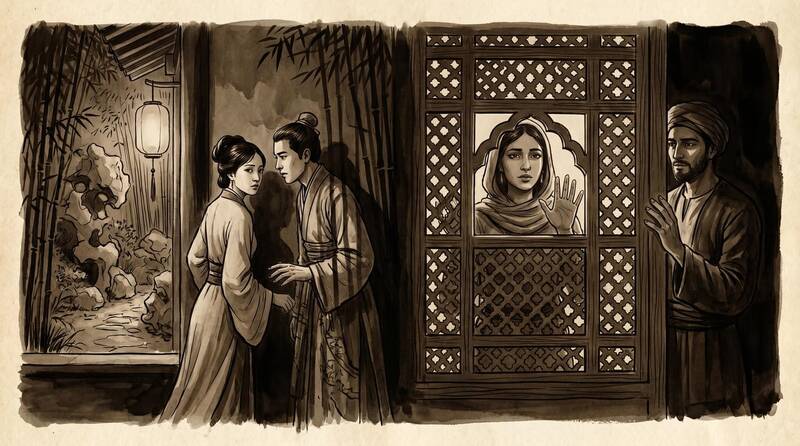
In Arab culture the dynamics vary significantly by country, family, and background — but the core tension is similar. The relationship between what happens privately and what is presented to the family is carefully managed. The family’s approval is not optional. It is the destination.
Marrying a foreigner
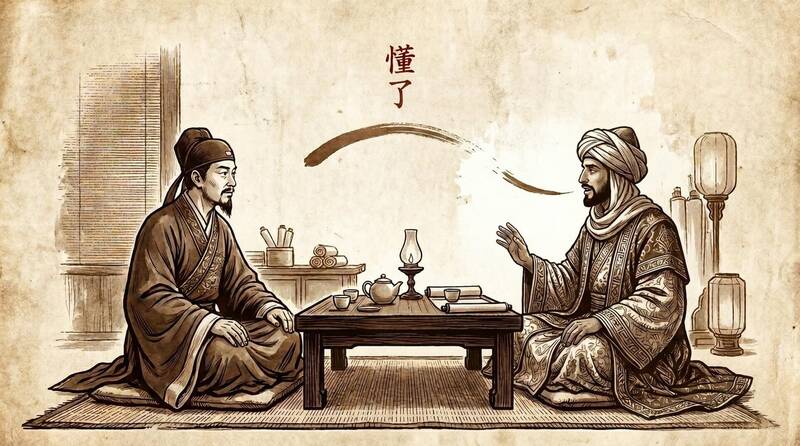
Both Chinese and Arab families have complicated feelings about their child marrying someone from outside the culture. Not impossible feelings. Just complicated ones.
In China, the concern is usually practical on the surface — language barrier, distance, cultural gap, who will take care of the parents when they are old. But underneath that is something deeper: the fear that a foreign partner means a child who drifts away. Who stops coming home for Chinese New Year. Who raises grandchildren who cannot speak Mandarin. The practical concerns are real. But the emotional ones are bigger.
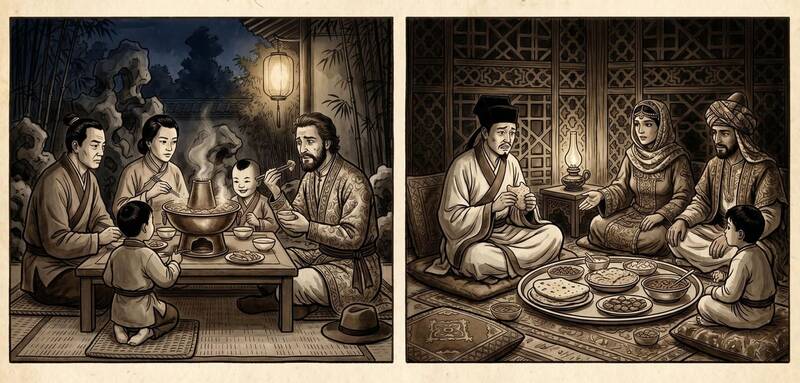
There is also the question of 面子 — face. What will the relatives say? What does it mean about the family that their child could not find someone suitable closer to home? These are not always spoken out loud. But they are always present in the room.
In Arab culture, the considerations often include faith, family background, and tribal or national identity depending on the country and community. A foreign partner is not automatically unwelcome — but they have to be explained. They have to be introduced. They have to earn the family’s trust in a way that someone from the same background might not. The bar is higher. Not because the family is unkind. Because the stakes feel higher.
And the person who chooses to love across cultures has to answer that question — not just once, but continuously. Every holiday, every family gathering, every conversation about where to raise children or whose parents to visit first. The love is not the hard part. The negotiation around the love is.
What is remarkable is that both cultures — despite all of this — produce people who fall in love across every possible boundary anyway. Because 缘分 does not ask for permission. And neither does نصيب.