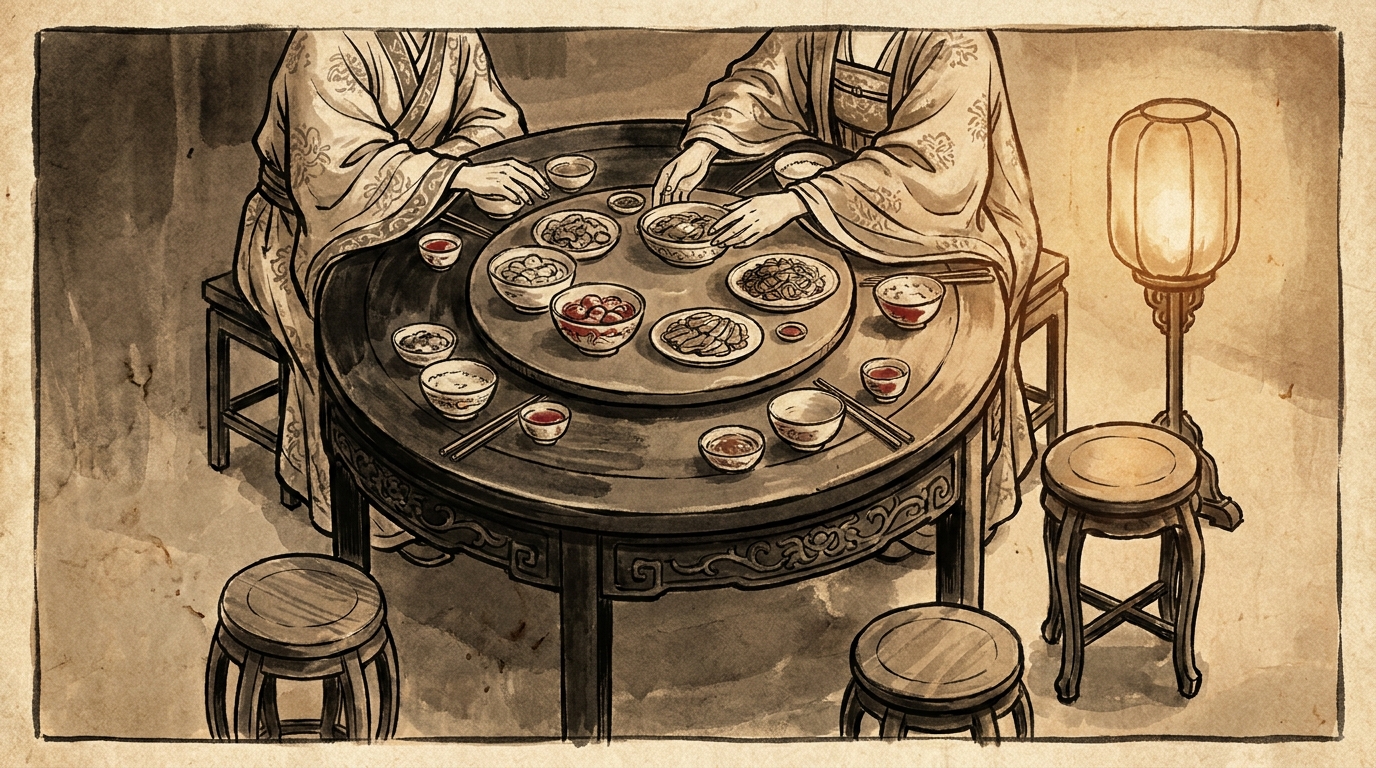
 Falafel in Hotpot

Bridge • Issue 09
The shaming culture in China and the Arab World
Neither culture will tell you directly that you have done something wrong.
ثقافة العيب في الصين والعالم العربي.
Neither culture will tell you directly that you have done something wrong.
They will make you feel it instead.
There is a particular kind of discomfort that both Chinese and Arab cultures are very good at producing. Nobody raises their voice. Nobody delivers a verdict. It arrives in silence. In a look. In a question that is not really a question. In the sudden shift in temperature of a room when you walk in.
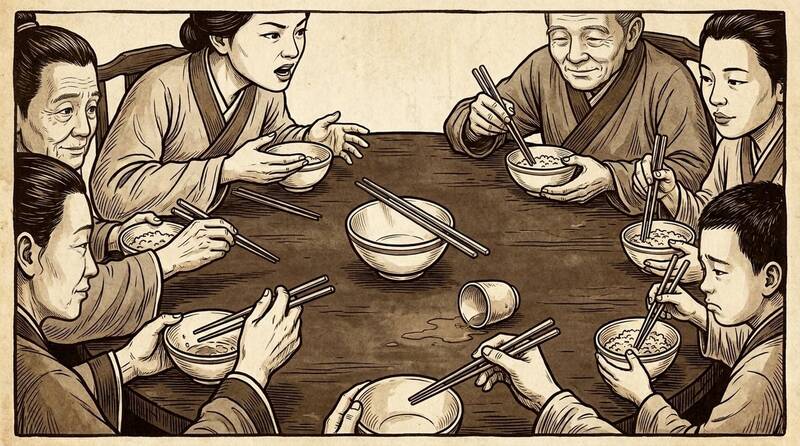
It is shame. And in both cultures, it is one of the most powerful tools of social control that exists.
Every society has mechanisms that regulate behaviour — that keep people connected to the group and signal when someone has stepped outside what is acceptable. Western cultures do this through guilt. You break a rule, you feel bad inside. The judgment is internal. Between you and your conscience.
Chinese and Arab cultures do something different. They do it through shame. And shame, unlike guilt, is fundamentally social. It requires an audience. It lives in the space between you and other people.

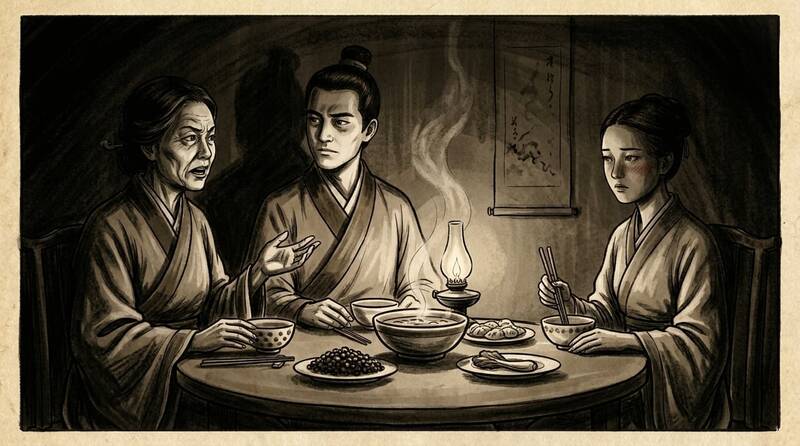
In Chinese culture, shame is rarely delivered directly. A disappointed parent does not say — I am ashamed of you. What they do is compare. Loudly. In front of others. The neighbour’s son got into a better university. Your cousin married first. Your colleague was promoted faster. The comparison is the shame. Delivered indirectly, through a third party, with plausible deniability built in. I was just sharing news. But everyone in the room understood exactly what was happening.
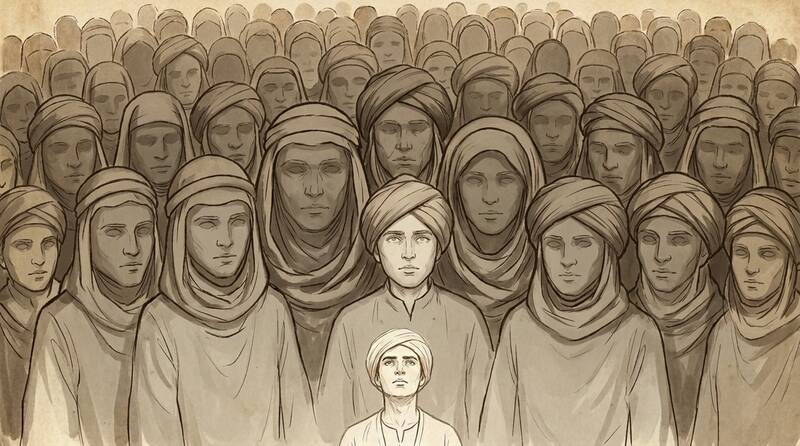
In Arab culture, what you do does not belong only to you — it belongs to your family, your community. The question ما رأي الناس — what will people say — is not asking for information. It is delivering a verdict. And it outsources the judgment to an unnamed, faceless collective whose opinion cannot be argued with because they have no specific face.
Shame is effective. It maintains cohesion, transmits values, and creates collective identity. There is a reason both cultures have been doing this for thousands of years. But the cost is real. When the fear of shame becomes the primary driver of decisions — you are no longer living your own life. You are living the life the audience expects.
Shame kept us together for a very long time. The question now is whether it can evolve — without losing what made it meaningful in the first place.