 Falafel in Hotpot
Bridge • Issue 10
Nobody eats alone
In China and the Arab world, sharing is not a gesture.
لا أحد يأكل وحده. لا أحد.
In China and the Arab world, sharing is not a gesture.
It is the whole point.
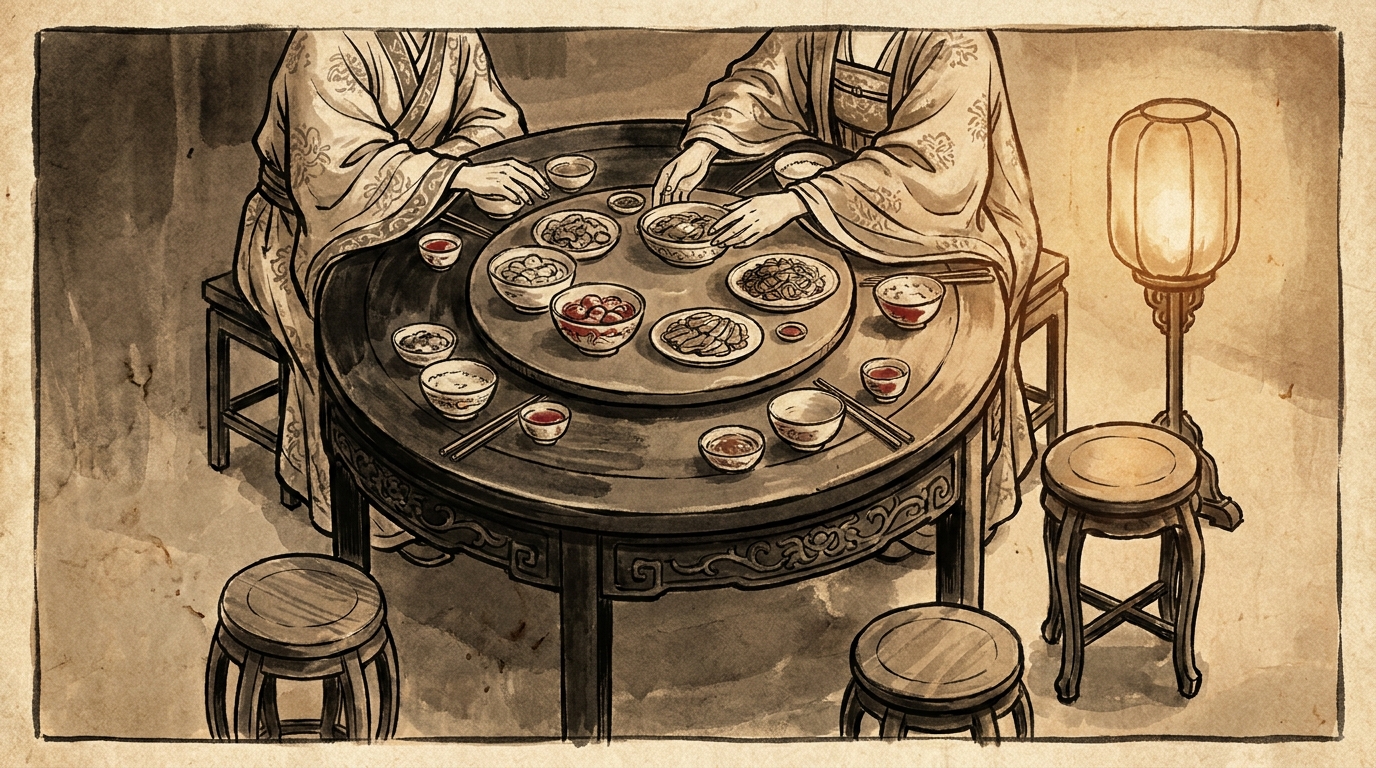
The first time I sat at a Chinese table as an outsider, I did not understand what was happening. Dish after dish arrived in the centre. Everyone reached. Nobody served themselves first and waited. Nobody had their own plate of their own food. It was all in the middle, spinning on a lazy Susan, and the logic was simple and total — what is mine is ours.
The first time I sat at an Arab table, it was the same feeling. Food appeared from everywhere. More than anyone could eat. And the host kept adding more. The act of sharing was not incidental to the meal. It was the meal.
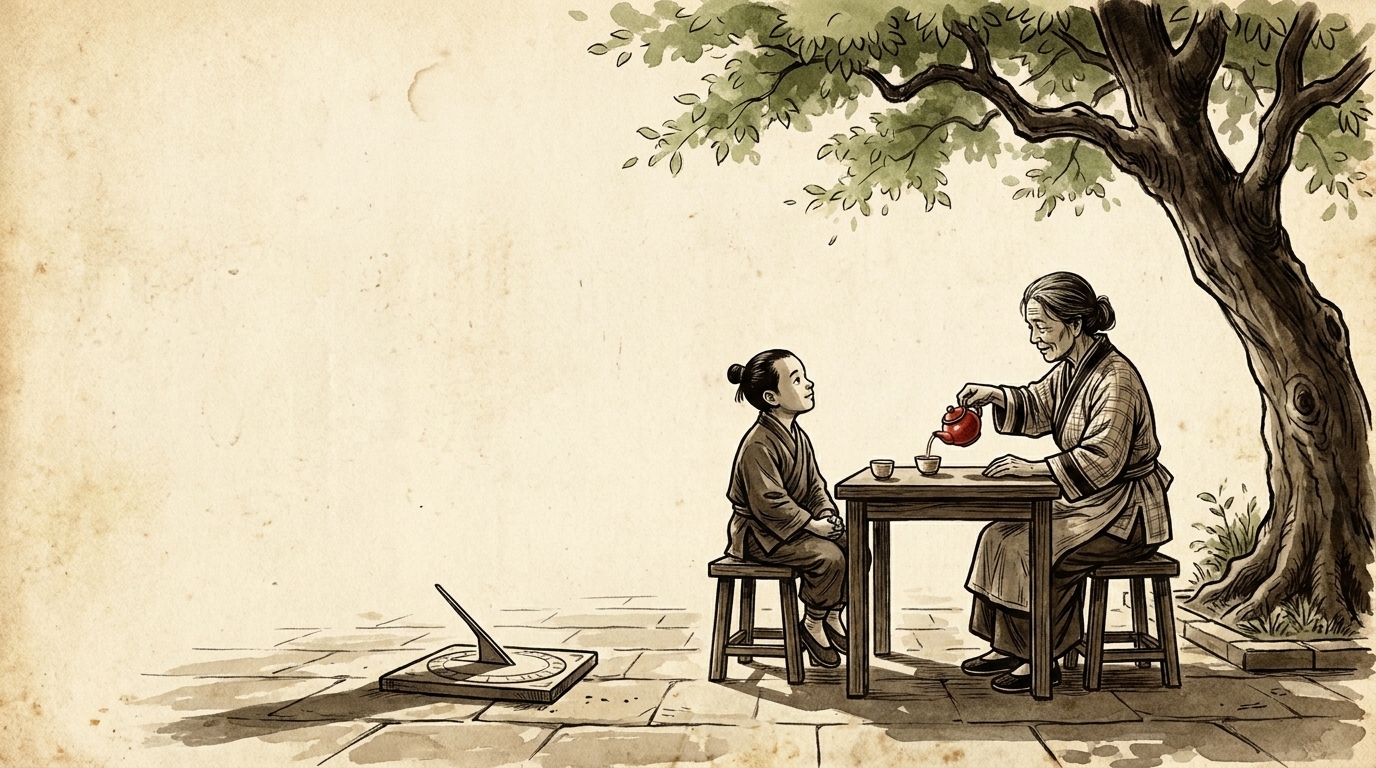
In Chinese, there is a greeting that is not really a greeting. 你吃饭了吗 — nǐ chī fàn le ma — have you eaten? It is how older Chinese people say hello. It is how neighbours check on each other. It is how families express care without saying I love you. The question is not about food. It is about whether you are okay. Whether someone has looked after you. Whether you are part of a network of people who notice whether you have eaten.
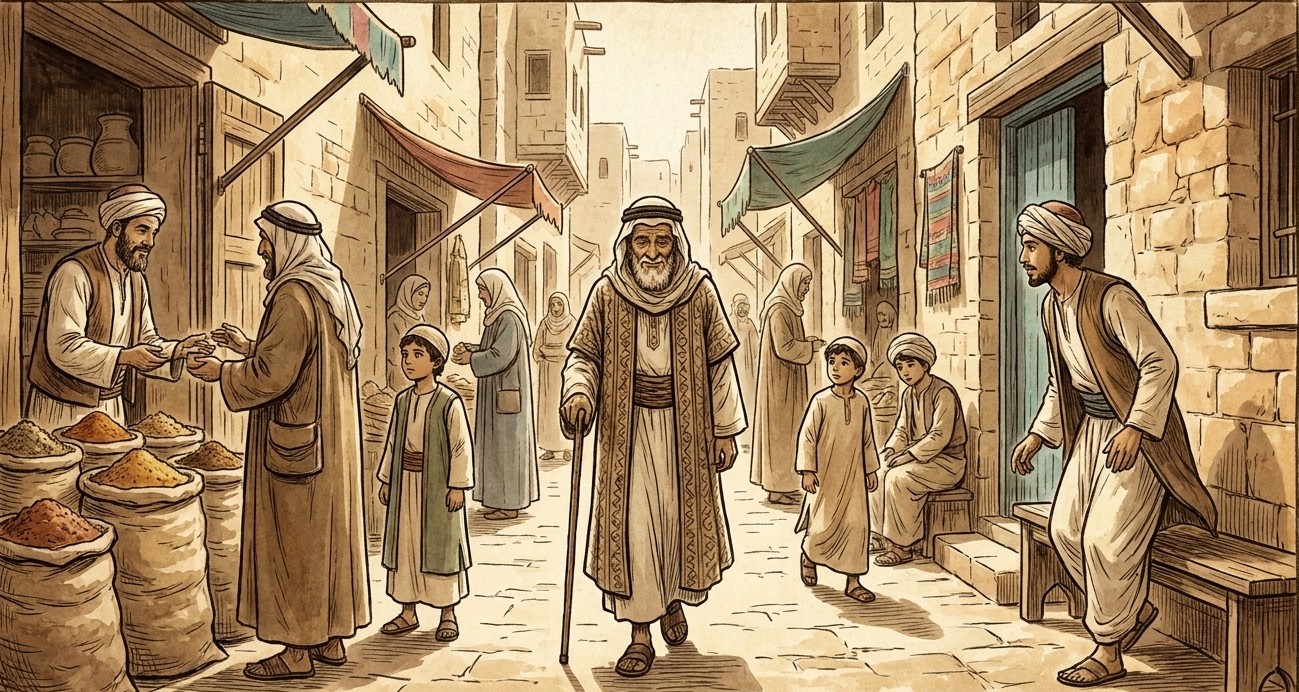
In Arabic, the equivalent moment is the table itself. An Arab host does not ask if you are hungry. They assume. Food appears. More food appears. You say you are full and more food appears. Because feeding someone is not about satisfying their hunger — it is about demonstrating that they matter. That you prepared for them. That their presence is worth this.
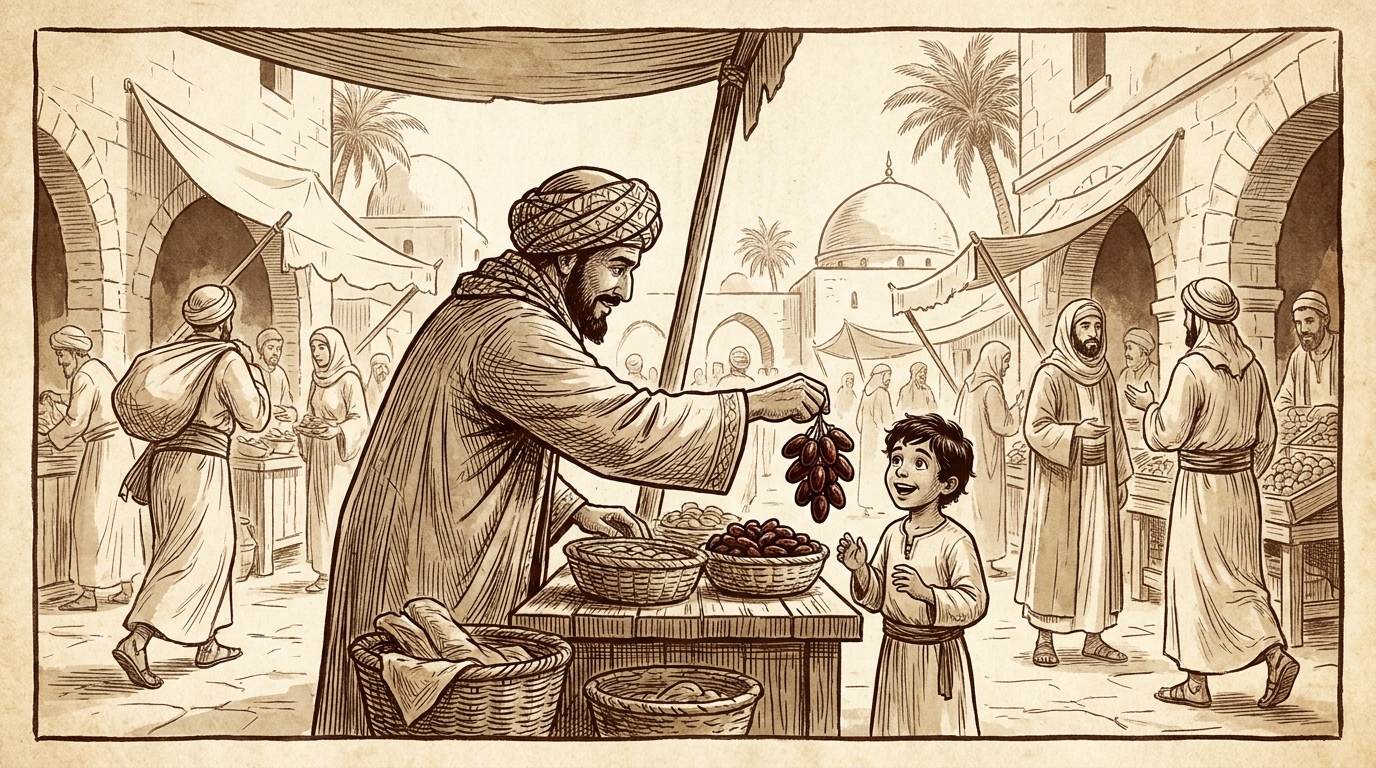
It goes beyond the table. In China, sharing is the default setting for almost everything. A Chinese person who buys fruit does not buy fruit for themselves. They buy enough for the office. A Chinese person who finds a good restaurant tells ten people before they go back themselves. Good things are meant to be distributed. Keeping something good only for yourself carries a slight social awkwardness — as if you found something valuable and hid it.
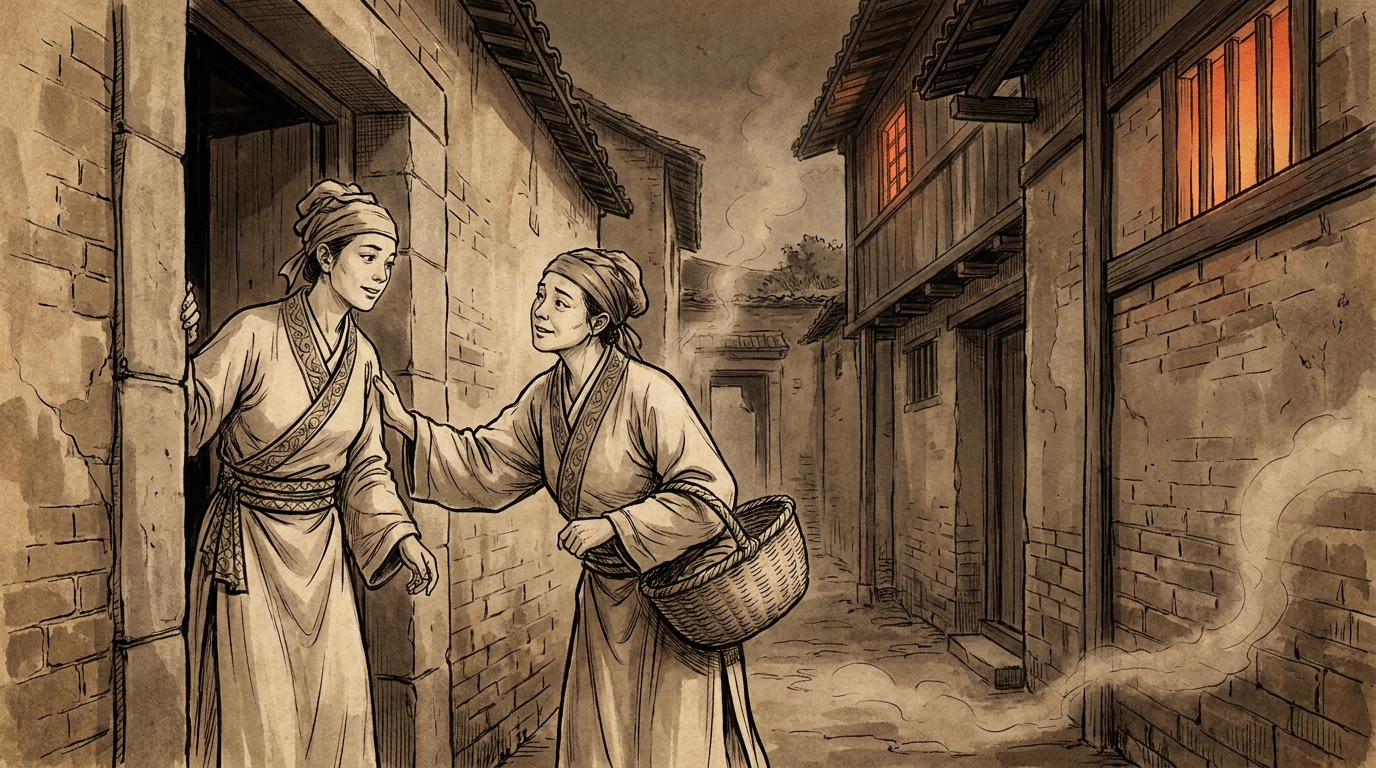
Arab culture works the same way. The concept of كرم — karam — generosity — is not about occasional grand gestures. It is a continuous orientation toward others. You share what you have because what you have was never entirely yours to begin with. It belongs to the relationship. To the family. To the guest who walks through the door.
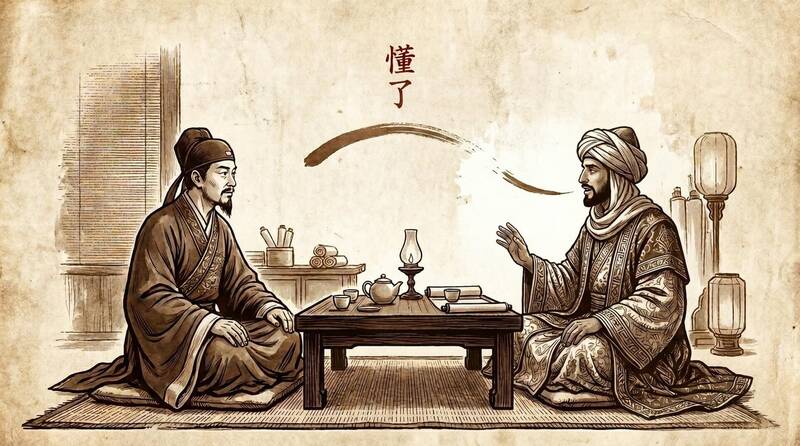
This extends into how both cultures share information and relationships. In China, introducing two people who should know each other is not a transaction. It is a gift. You are giving someone access to your trust network — one of the most generous things you can offer. The introduction costs you nothing materially. But it means everything relationally.
In the Arab world it works identically. Knowing the right person and being willing to open that door is a form of generosity. Withholding it when you could help would feel strange. Almost unkind. Because connections, like food, are meant to move. They multiply when passed on and diminish when hoarded.
The table in the middle, with all the dishes, spinning slowly — that is not just a way of eating. It is a philosophy. Everything in the centre. Available to everyone. Nothing kept at the edge of the plate for yourself alone.