 Falafel in Hotpot
Bridge • Issue 11
The older you are, the more you are worth
In the West, the relationship between generations is remarkably horizontal. A twenty-five year old and a sixty-five year old can be genuine friends. They…
كلما تقدّمت في العمر، كلما ازددت قيمةً.
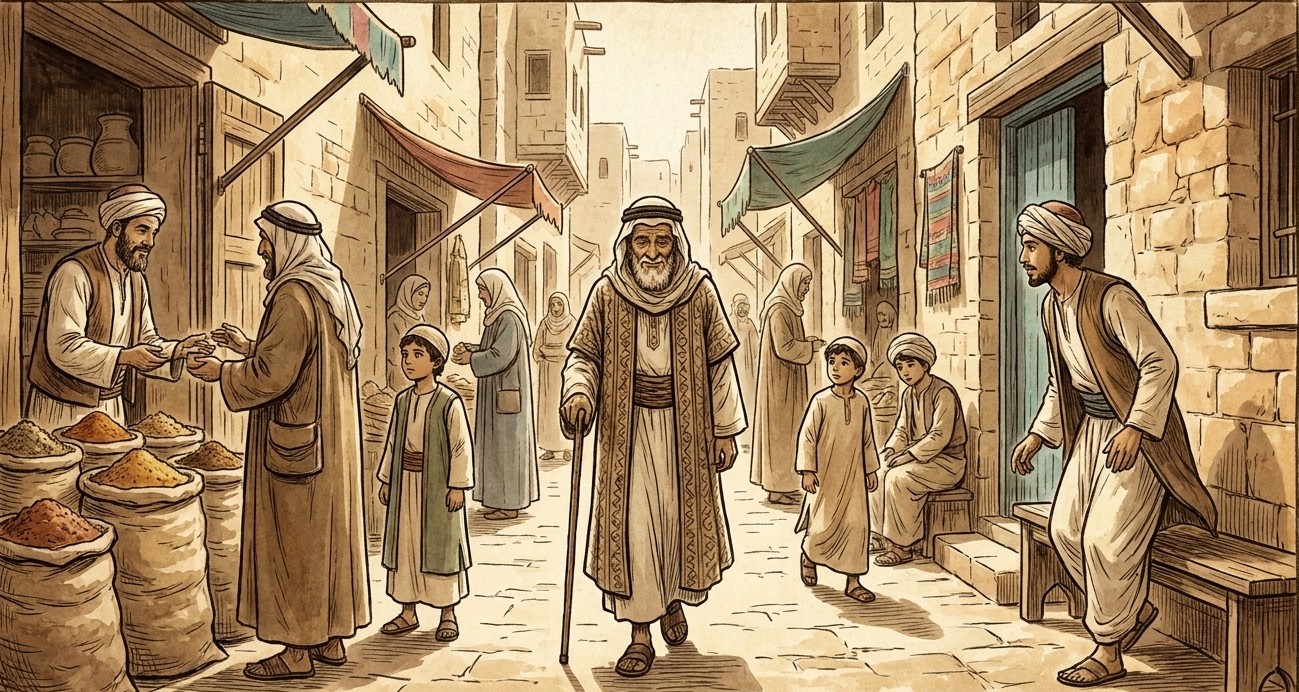
In China and the Arab world, the older you are,
the more the room listens.
In the West, the relationship between generations is remarkably horizontal. A twenty-five year old and a sixty-five year old can be genuine friends. They argue, joke, disagree, and nobody finds it unusual. There is a warmth in that equality — the idea that age does not determine your place in a conversation, and that every person brings something worth hearing regardless of how long they have been alive.
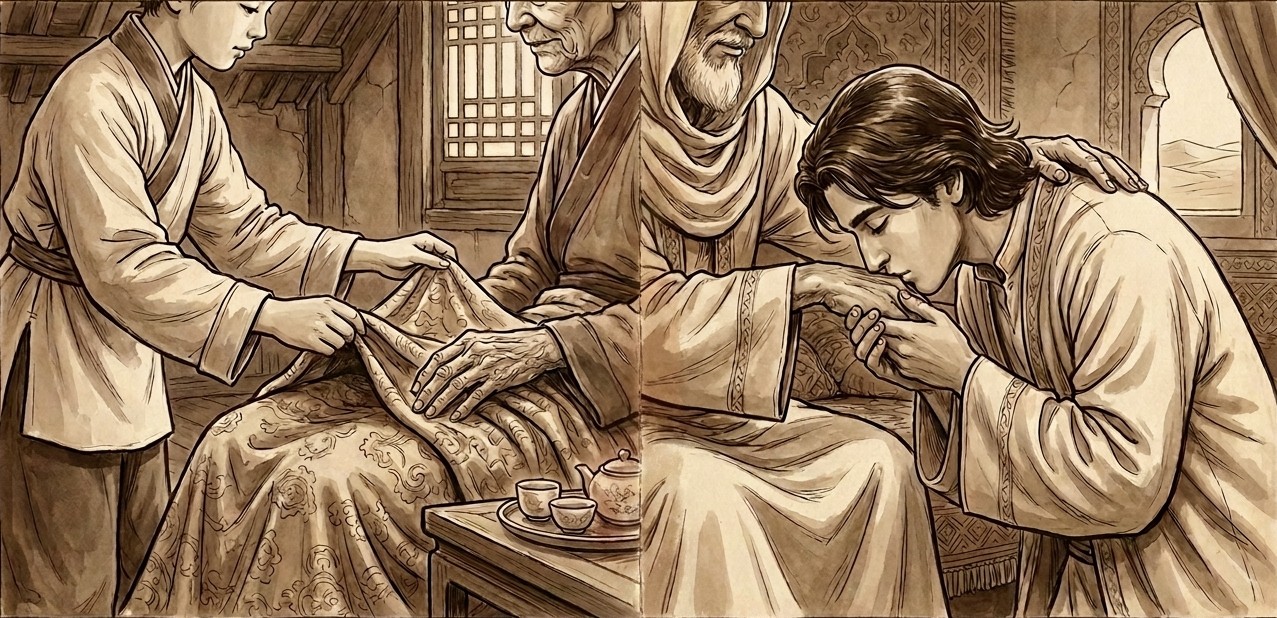
In China and the Arab world, the dynamic is different. Not colder — often far warmer — but distinctly vertical. Age creates distance that is expressed through deep respect rather than closeness. You do not joke with your grandfather the way you joke with a friend. You do not interrupt your elder to make your point. You listen first, speak second, and if your opinion differs, you find a way to express it that does not make them feel diminished.
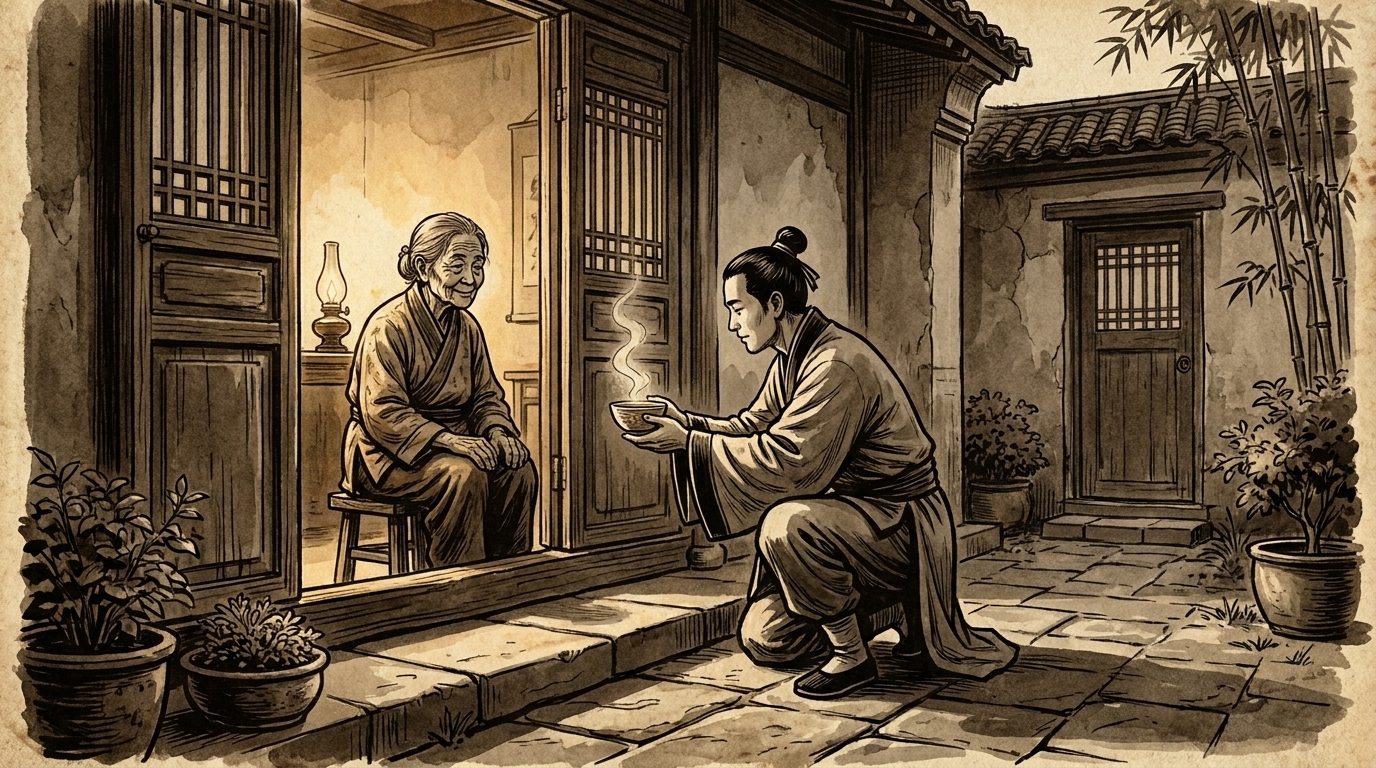
In Chinese culture, this is rooted in one of the deepest Confucian values — 孝 — xiào — filial piety. The obligation not just to love your parents but to honour them. To care for them the way they cared for you, but more so — because they are older now, and everything you have was built on what they gave up. A Chinese adult who does not care for ageing parents when they are able to carries a social weight that is hard to overstate.
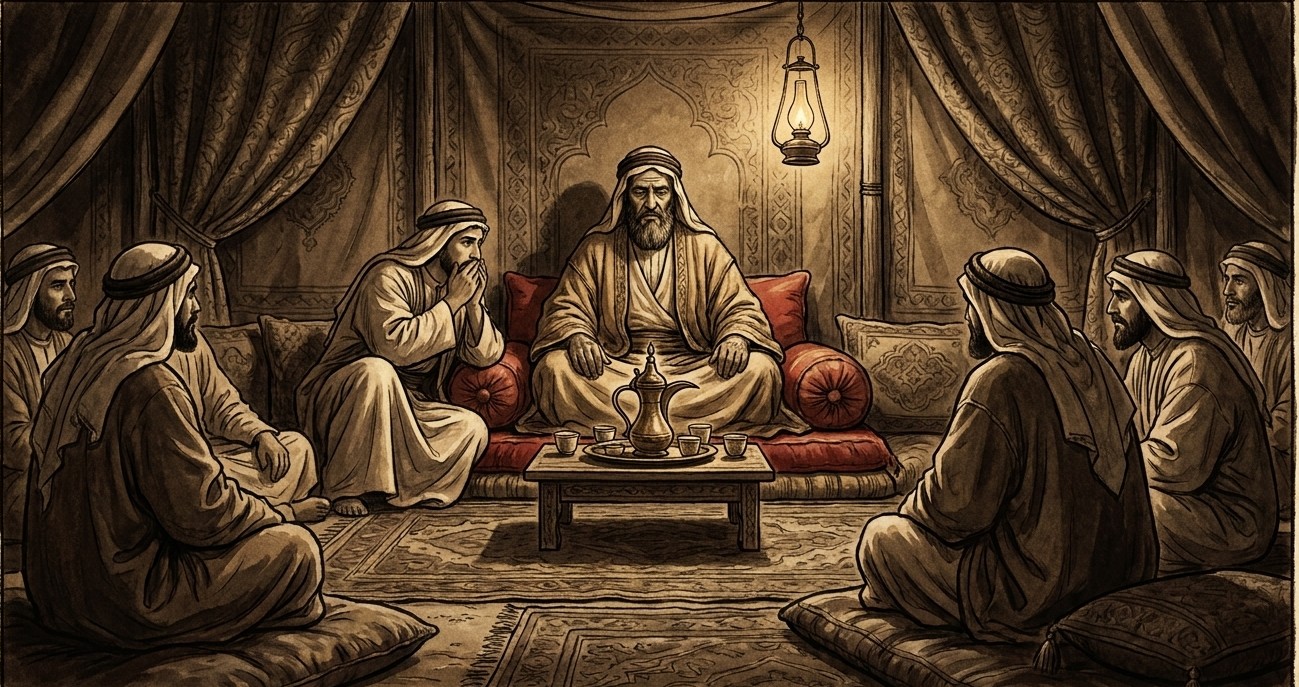
In Arab culture, the equivalent is baked into the language itself. An elder is not called old — they are called كبير — kabīr — which means great. Significant. The word for elder shares its root with greatness itself. Growing old in Arabic is literally growing in stature.
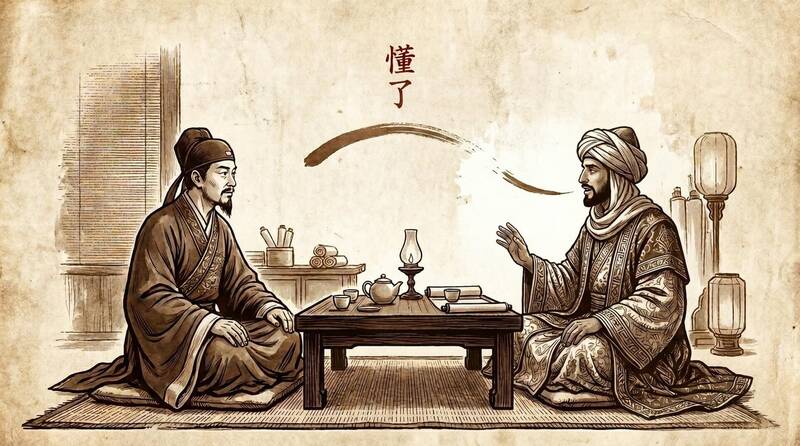
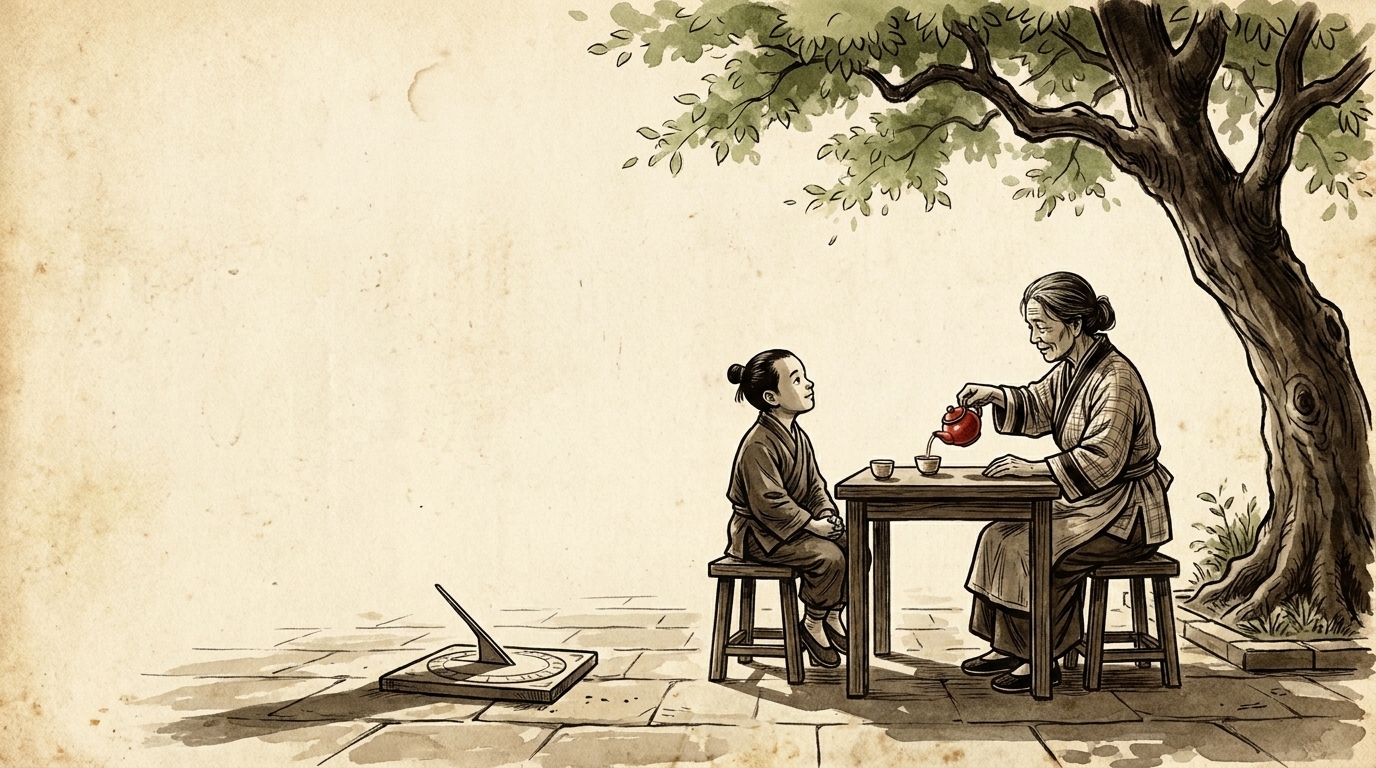
Neither way is wrong. The Western model built freedom — the freedom to be equals across generations, to reinvent yourself, to not be defined by hierarchy. The Eastern model built continuity — the wisdom of elders passed down not through books but through presence, through daily proximity, through the habit of deferring to those who have lived longer.
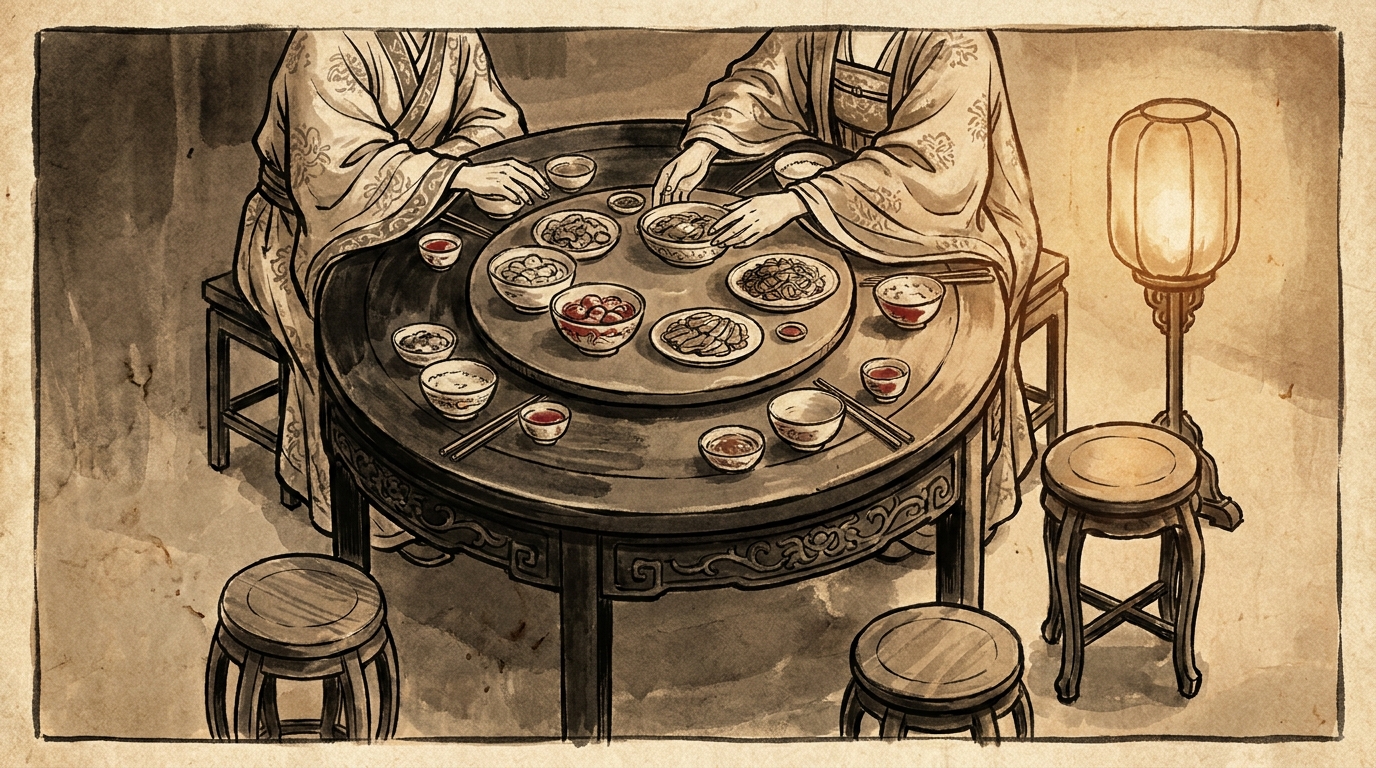
Different tables. Different ways of sitting at them. But the same love underneath.