 Falafel in Hotpot

Bridge • Issue 12
Business is personal
the deal from the relationship. They are the same thing.
العمل أمر شخصي. لطالما كان كذلك.
In China and the Arab world, you do not separate,
the deal from the relationship. They are the same thing.
There is a phrase that gets repeated in Western business schools: keep it professional. Meaning — keep it separate from the personal. The deal is the deal. The relationship is secondary. Emotions do not belong in the negotiation room.
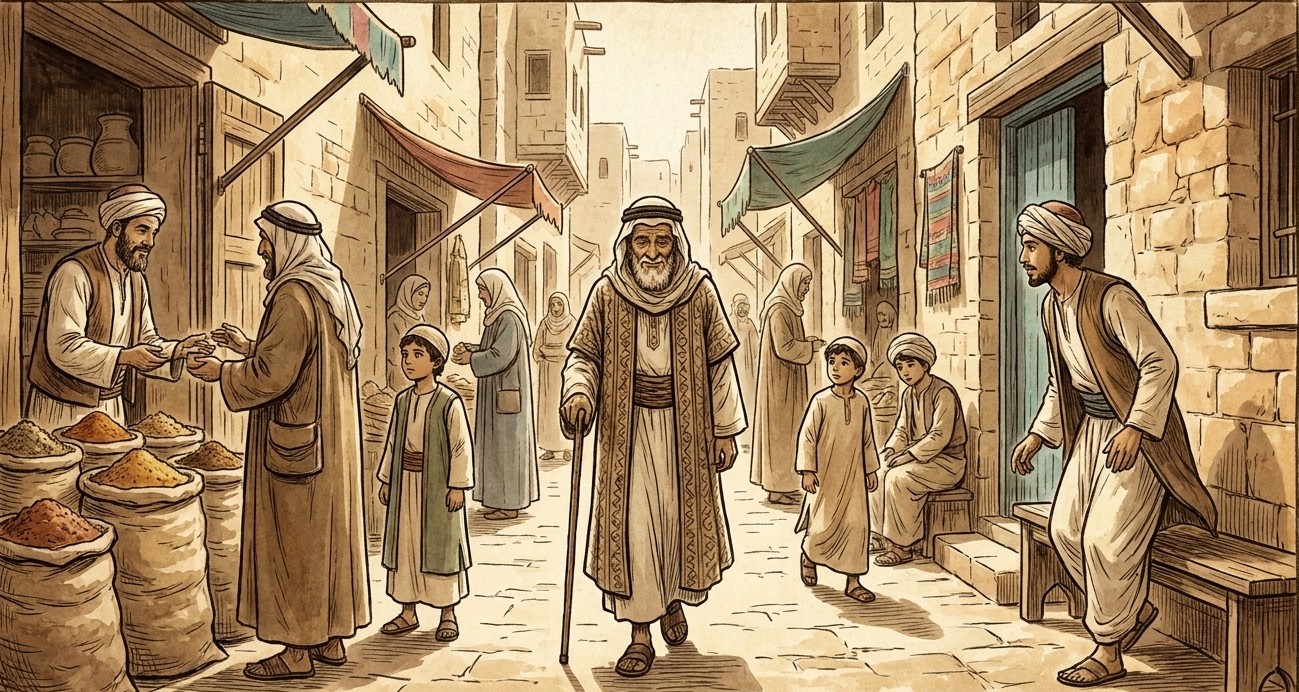
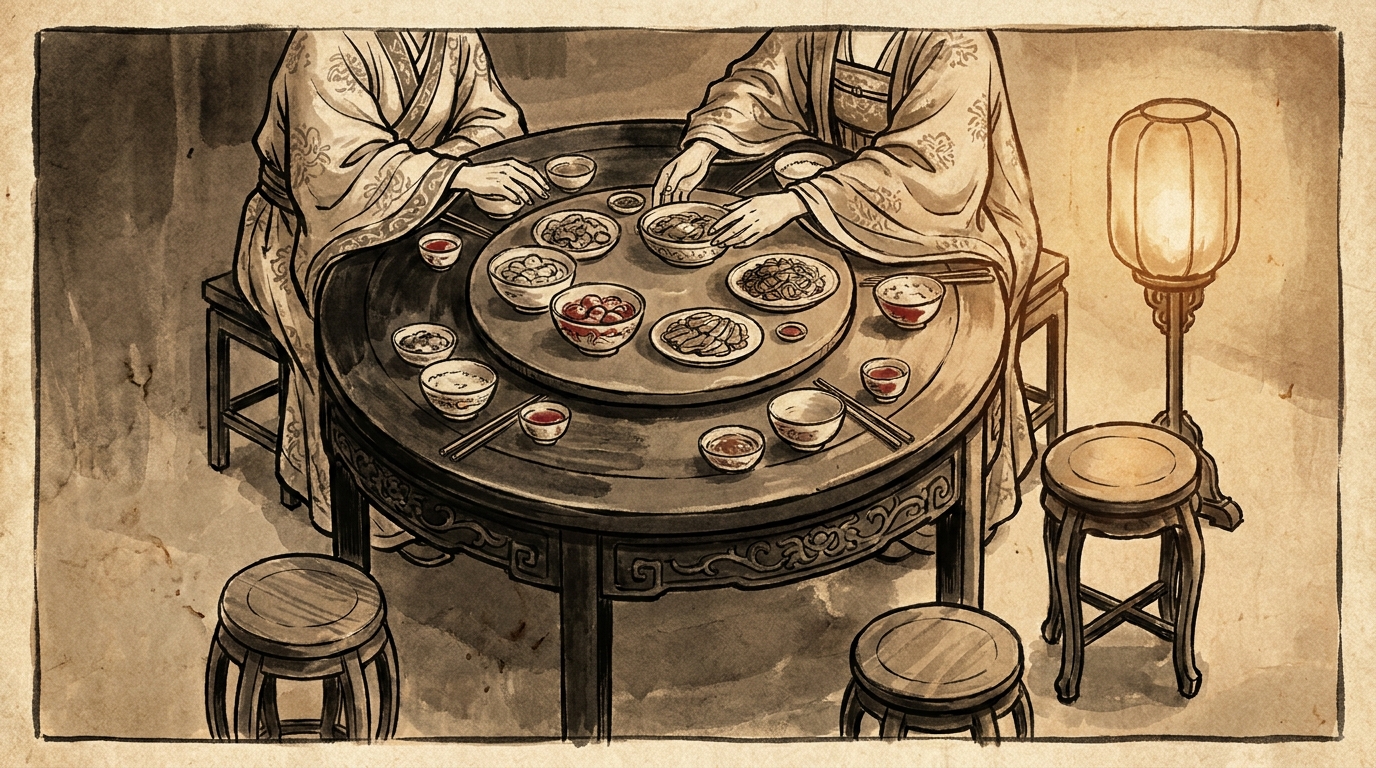
In China and the Arab world, this idea is not just unfamiliar. It is slightly suspicious. Because if you do not know me as a person — if you have not eaten with me, if you do not know my family, if you have not invested time in me before asking anything of me — why would I trust you with my business?
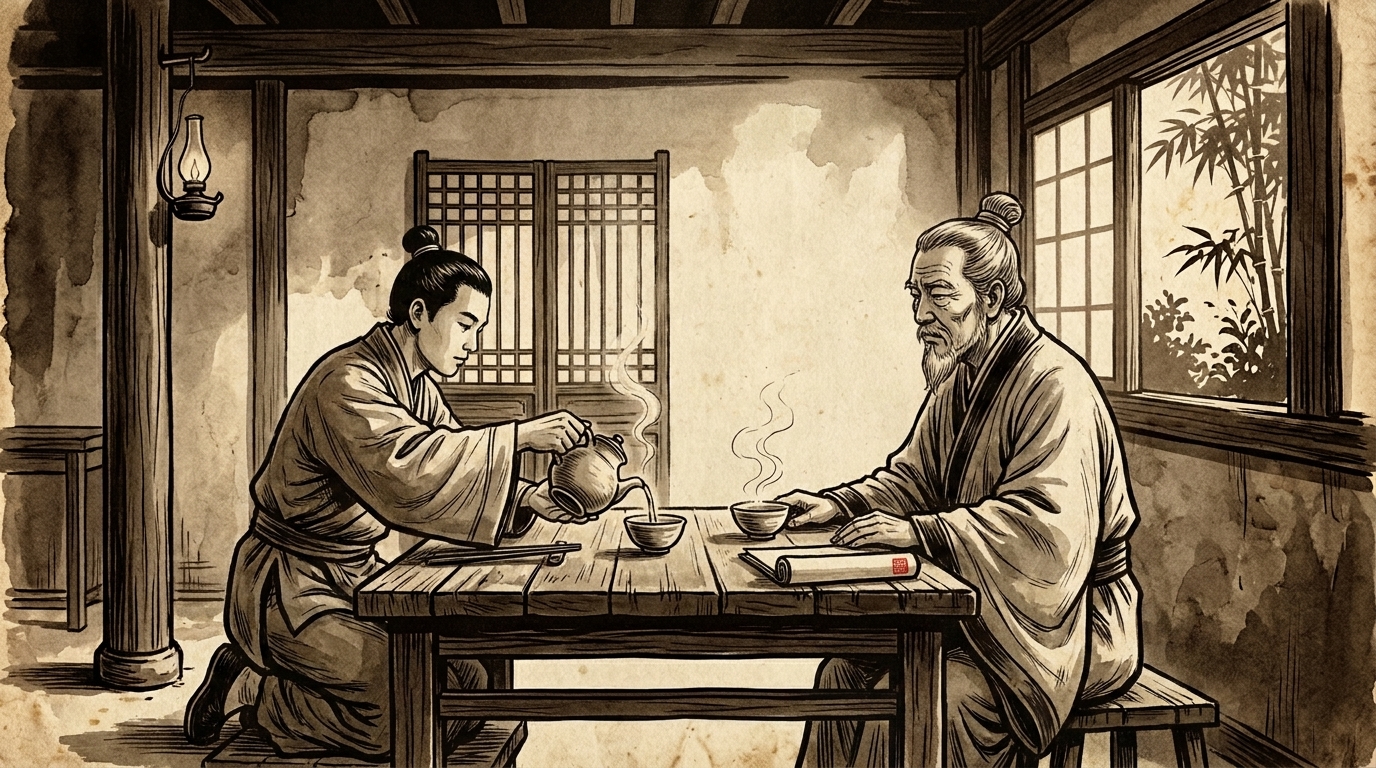
Both Chinese and Arab business cultures are built on the same foundation: trust comes before transaction. You do not sign a contract and then build the relationship. You build the relationship and then — eventually, naturally — the contract follows. Trying to skip that sequence does not make you efficient. It makes you unreliable.
In both cultures, the first meeting is almost never about business. It is about the person. Where are you from. How is your family. What do you think of the food. These are not small talk. They are assessment. You are being read — your warmth, your patience, your respect — before a single number is discussed.
Family involvement in business is also deeply shared. The Chinese family business — where the father built it, the son runs it, the cousin manages the finances — is one of the most common structures in Chinese commerce. The Arab family business follows the same logic. The company is an extension of the family. The family name is on the line with every decision. Business success and family honour are not separate categories. They are one.
But the differences are real and worth understanding — especially if you are working across both cultures simultaneously.
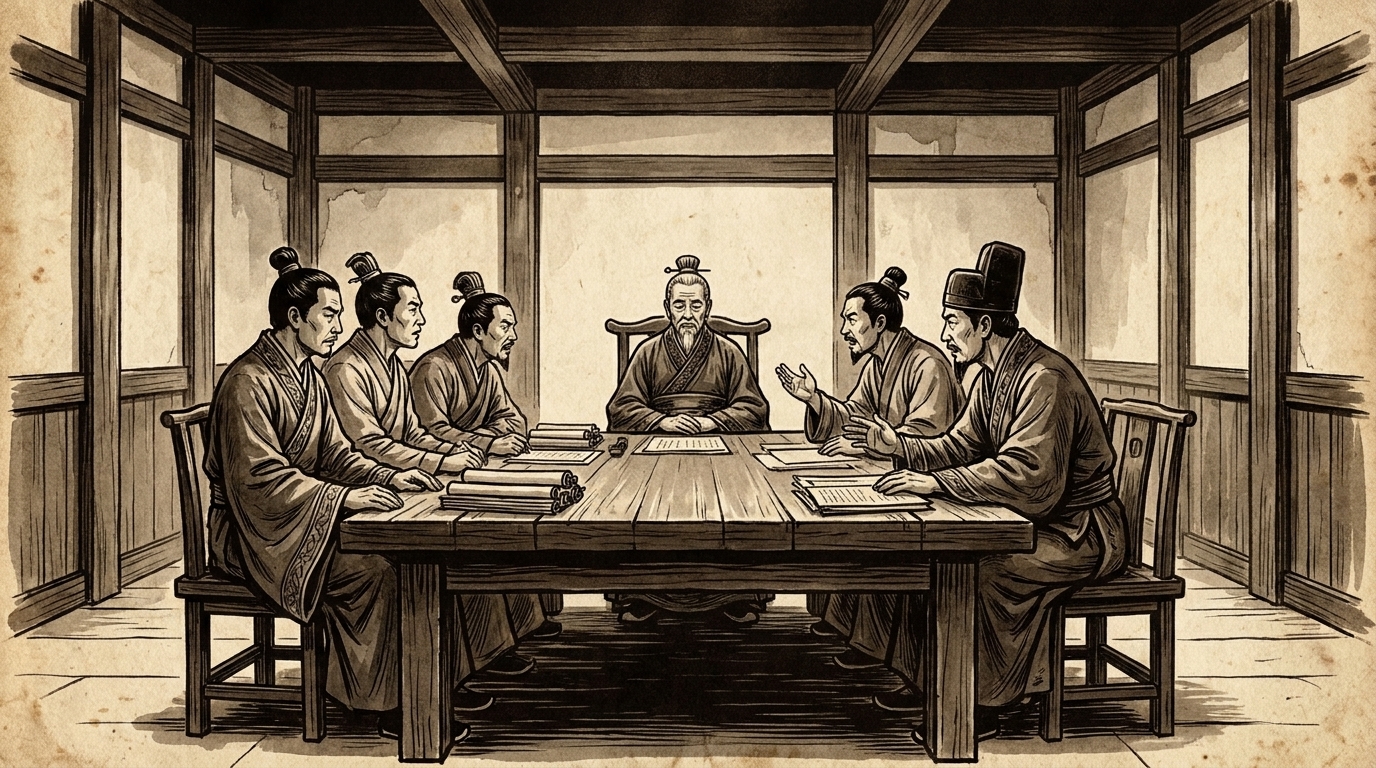
Chinese business culture is more hierarchical and more patient. Decisions move slowly, often through multiple layers of approval that happen invisibly before anything is announced. The senior person in the room may say very little. That silence is not disengagement. It is authority. And pushing for a fast decision before the internal process has completed — however invisible that process is — is one of the fastest ways to lose a Chinese deal.
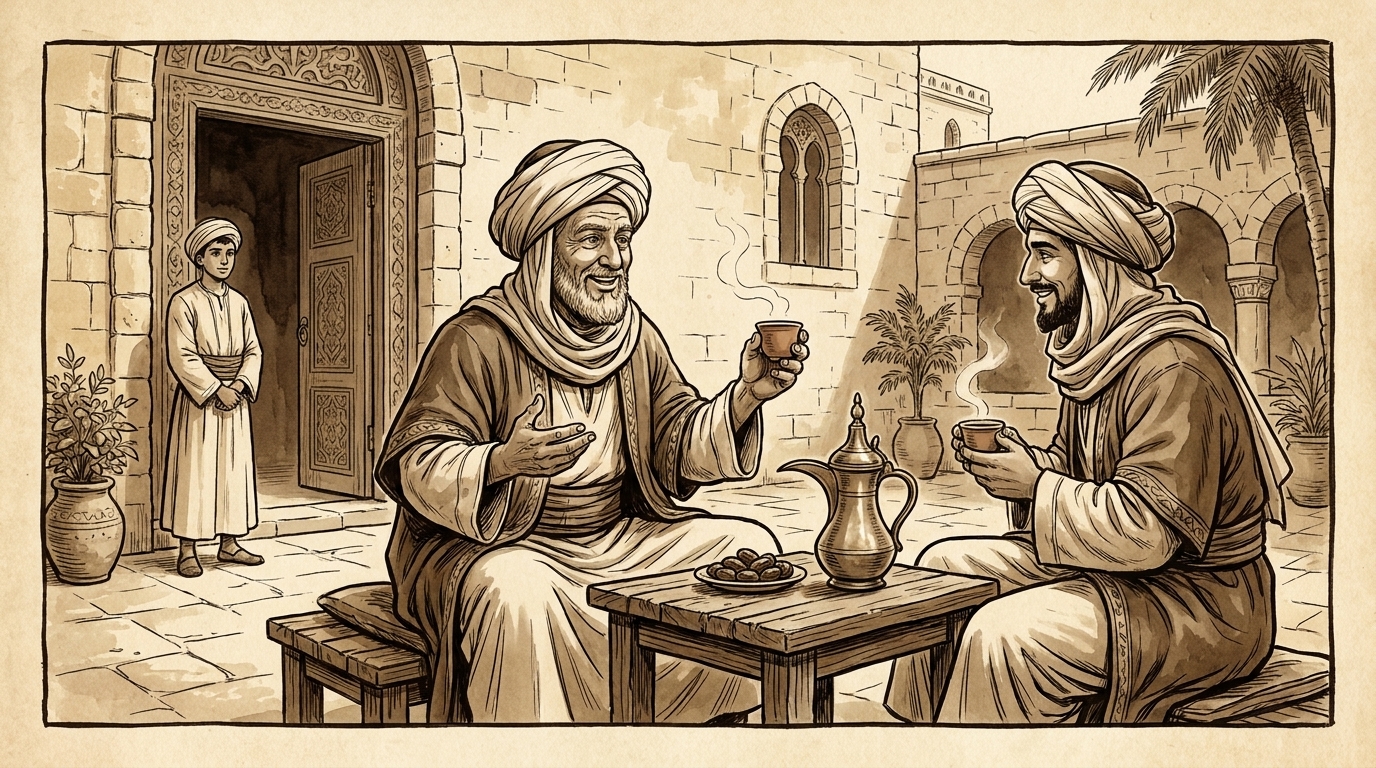
Arab business culture is more relational and more flexible. Decisions can move quickly when the personal trust is established — sometimes surprisingly quickly — but they can also stall completely if the relationship has a crack in it that nobody has acknowledged. In Arab business, the conversation that happens over coffee before the meeting is often more important than the meeting itself. And cancelling that coffee at short notice is noticed more than you might expect.
The most important thing to understand about both cultures is this. When a Chinese or Arab business person slows things down — when they extend the meal, when they ask another personal question, when they deflect back to relationship-building just when you thought you were getting to the point — they are not stalling. They are doing the real work. The part that makes everything else possible.
The deal comes last. The person comes first. In both worlds, that is not a philosophy. It is just how business has always worked