 Falafel in Hotpot
Learn • Issue 01
Chinese characters come from life
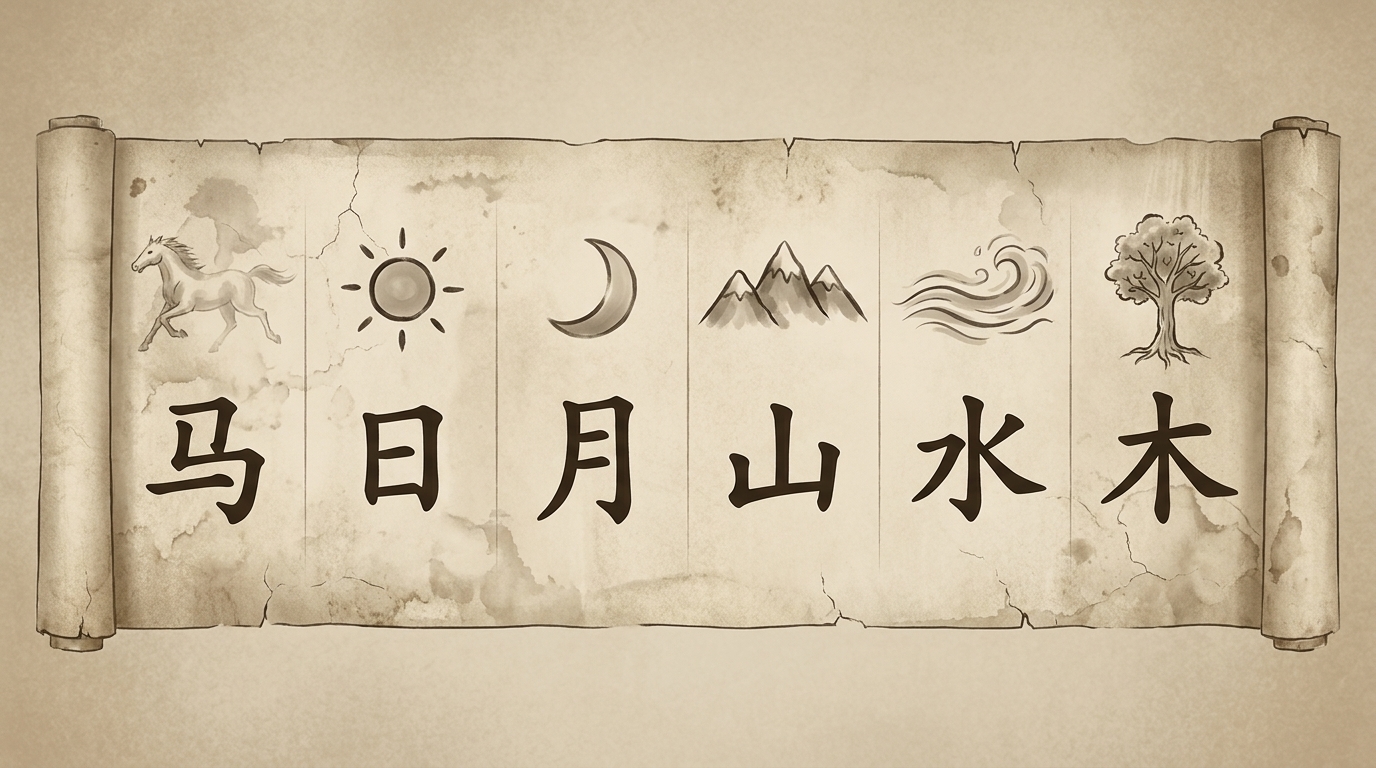
Every character started as a drawing. A picture of something real — an animal, a natural force, a shape in the world. Over thousands of years those drawings…
Every character started as a drawing. A picture of something real — an animal, a natural force, a shape in the world. Over thousands of years those drawings were simplified and stylised into the characters we use today. But the pictures are still there, hidden inside, waiting to be seen.
This category of characters even has a name: 象形字 — xiàngxíng zì — pictographic characters. Characters that look like the things they represent.
Let me show you six of them.
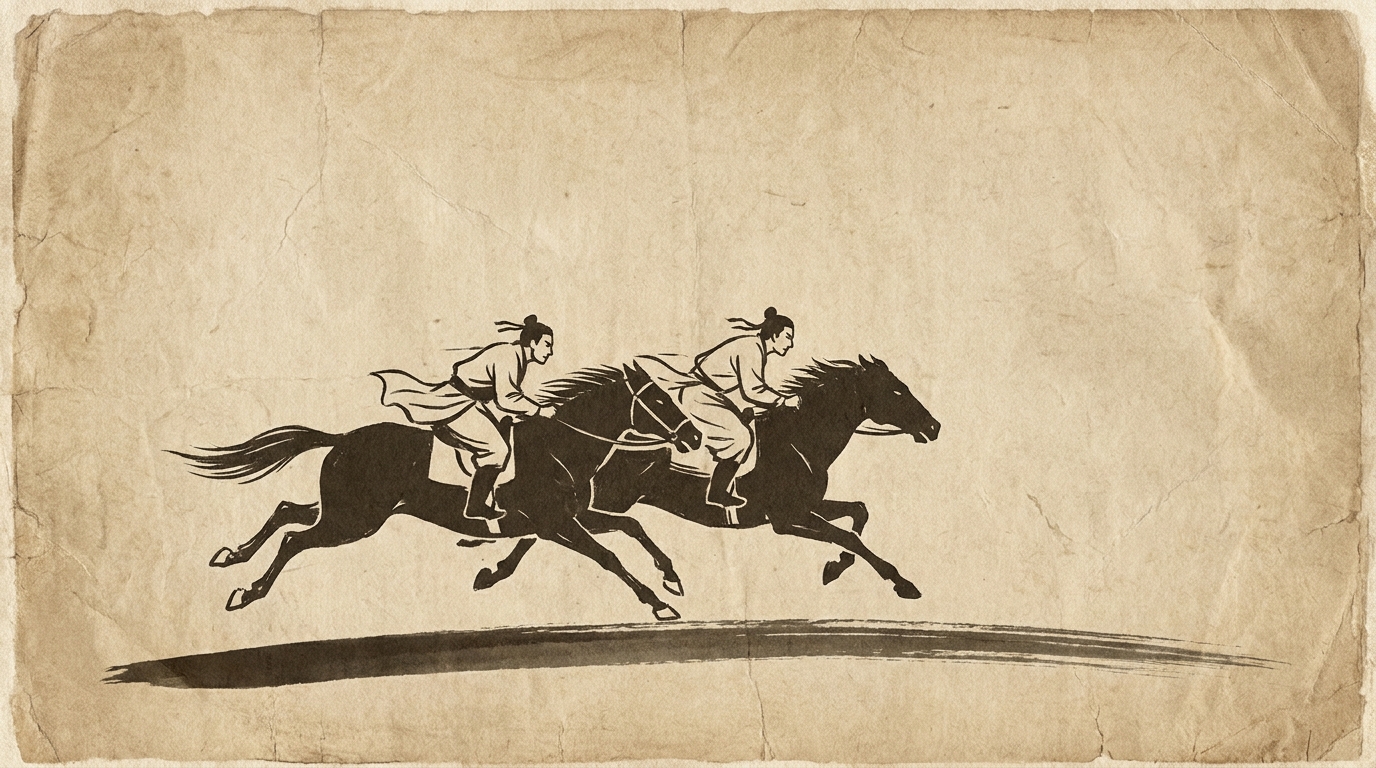
马 — mǎ — horse
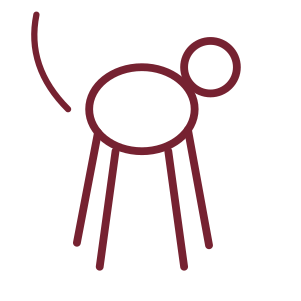
In ancient Chinese, 马 was drawn as a four-legged animal with a mane, a tail, and an eye. Over thousands of years it was simplified into the character you see today. But look at it. The vertical stroke is the body. The horizontal strokes are the legs. The dot at the top right is the eye. The horse is still there — every single time you write it.
日 — rì — sun / day

Once drawn as a circle with a dot in the centre — exactly how a child draws the sun. The circle became a rectangle. The dot became a line. But the sun is still there. And because a day is measured by the sun, 日 means both sun and day. Same character. Same word. Same thing.
月 — yuè — moon / month
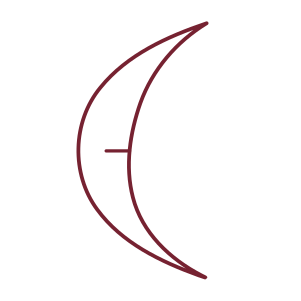
A crescent moon with a line inside. And because a month is one full cycle of the moon, 月 means both moon and month. Two ideas, one picture. The Chinese calendar was written in the sky before it was written on paper.
山 — shān — mountain
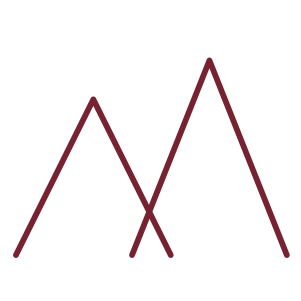
Three peaks side by side. Simple. Obvious. Completely unforgettable once you see it. 山 is one of the oldest characters in the Chinese writing system — and it has looked like a mountain for over three thousand years.
水 — shuǐ — water
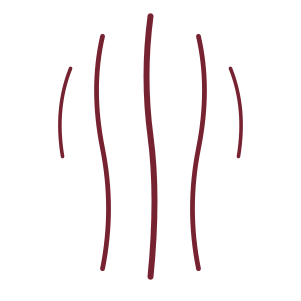
Flowing lines that trace the movement of a river. The central stroke is the main current. The strokes on either side are the smaller flows branching off it. If you squint slightly at 水, you can still see the river moving.
木 — mù — tree / wood
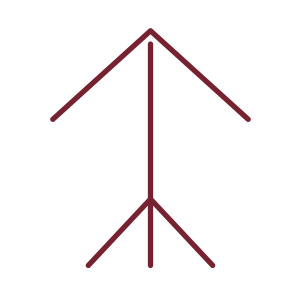
A trunk going upward. Branches spreading above. Roots extending below. Every tree you have ever seen, reduced to six strokes. And because trees are made of wood, 木 means both tree and wood — the thing and the material it becomes.
This is what I find most beautiful about Chinese characters.
They are not arbitrary symbols you memorize by force. Each one carries a reason. A history. A picture that someone drew thousands of years ago because they looked at the world and wanted to write down what they saw.
When you learn Chinese this way — not as a system to memorize but as a language to see — it stops being difficult. It starts being a conversation with everyone who has ever written these characters before you.
And that is a very long conversation.