 Falafel in Hotpot
Learn • Issue 03
In Chinese, your feelings have a colour
In English, you feel blue when you are sad. You see red when you are angry. Chinese does the same thing — but the colours land in completely unexpected places.…
In English, you feel blue when you are sad. You see red when you are angry. Chinese does the same thing — but the colours land in completely unexpected places. Some will make you laugh. Some will surprise you. All of them will make you sound real.
Red
FAMOUS · PROSPEROUS · VIRAL
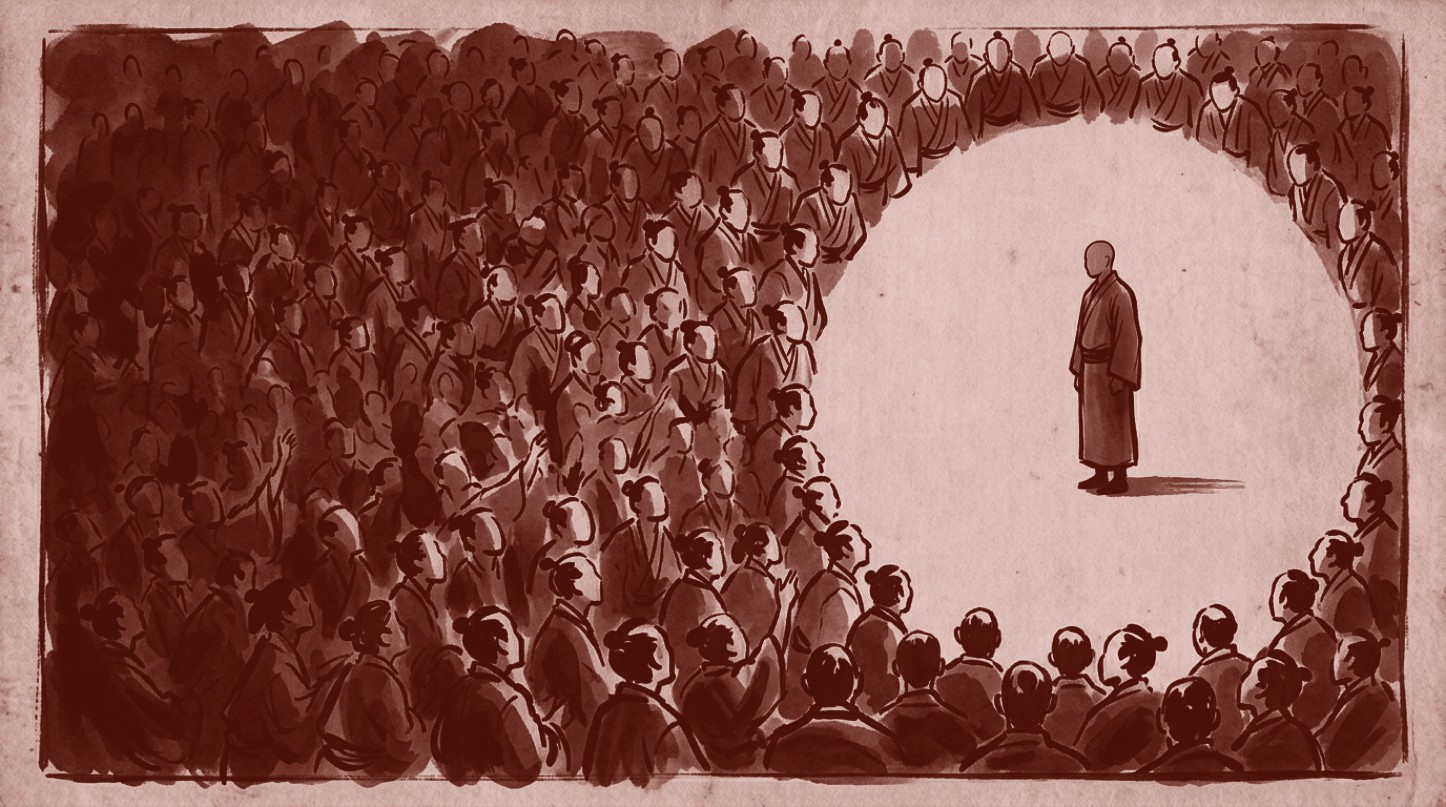
When you blow up, go viral, or make it — you “went red.” Red is success, luck, and the thing everyone wants. But eyes also go red with jealousy.
Green
BETRAYED · CHEATED ON

A green hat means your partner has been unfaithful. This comes from a centuries-old story and never left the language. Never give a Chinese man a green hat. He knows exactly what it means.
Black
CORRUPT · DARK · CRUEL
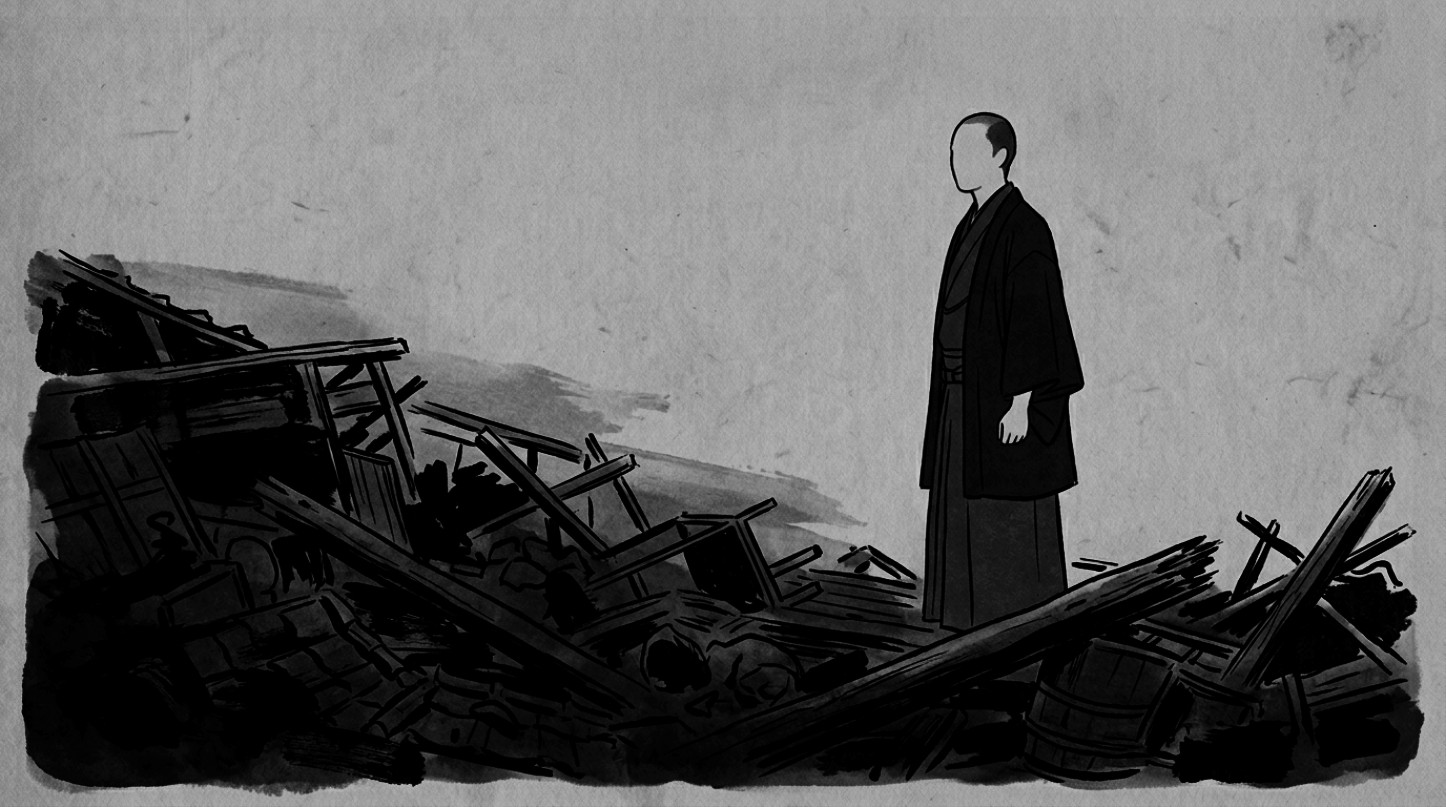
Black carries corruption, illegality, and moral darkness. A black heart means a cruel or greedy person. The black market in Chinese is literally the “black market” — no translation needed.
White
IN VAIN · FOR NOTHING · WASTED
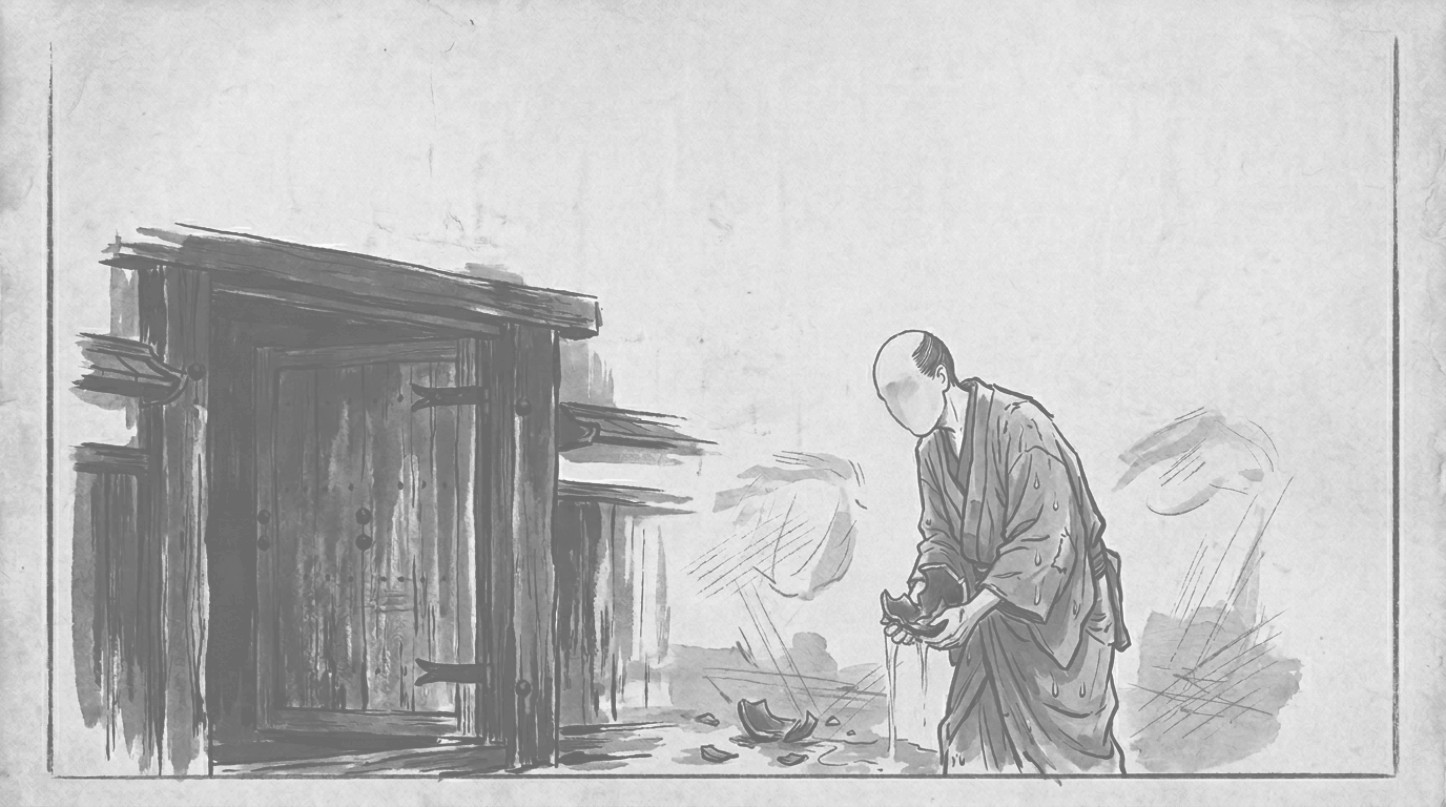
White means pure — but also blank, empty, and doing something for nothing. Working for free in Chinese is literally “working white.” All that effort, and nothing to show for it.
Yellow
IMPERIAL · AND ALSO... ADULT CONTENT

Yellow was the emperor’s colour — the most powerful, the most sacred. In modern slang it means adult or inappropriate content. The most dignified and the most taboo meaning, in one colour.
Blue
VAST · CALM · QUIETLY MELANCHOLY

Blue in Chinese leans toward the sky and the sea — open, serene, unreachable. Younger generations are using it for a quiet kind of sadness too. Not dramatic. Just still.
Grey
DISCOURAGED · HOPELESS · LOW
Grey is the colour of a heart that has given up. A grey heart means you have lost hope, lost motivation, lost the will to try. It is one of the most emotionally heavy colours in Chinese.
Language is never just words. Every colour in Chinese carries a history, a warning, or a celebration. When you learn Chinese this way — through the meaning underneath the meaning — it stops being memorisation. It starts being understanding.