 Falafel in Hotpot
Learn • Issue 04
In Chinese, your personality is an animal
Chinese has a whole vocabulary of animal expressions used to describe people — their character, their behaviour, their energy. Some are compliments. Some are…
Chinese has a whole vocabulary of animal expressions used to describe people — their character, their behaviour, their energy. Some are compliments. Some are very much not. And almost all of them will make you laugh once you know what they mean.
Snake
SLY · TWO-FACED · NOT TO BE TRUSTED
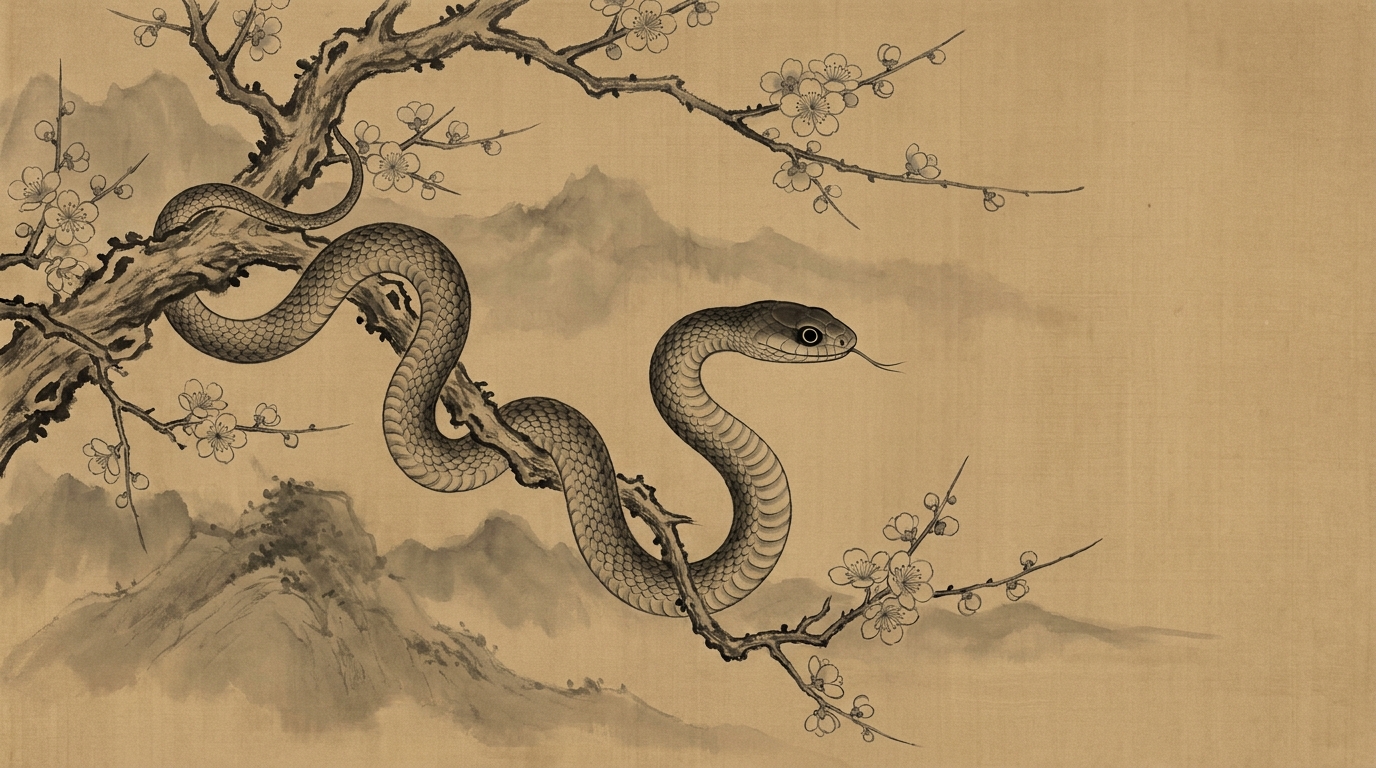
Someone who smiles to your face and moves against you in the dark. The snake is the classic Chinese image of hidden intention — beautiful on the surface, dangerous underneath.
Ox / Cow
AWESOME · IMPRESSIVE · THE HIGHEST COMPLIMENT
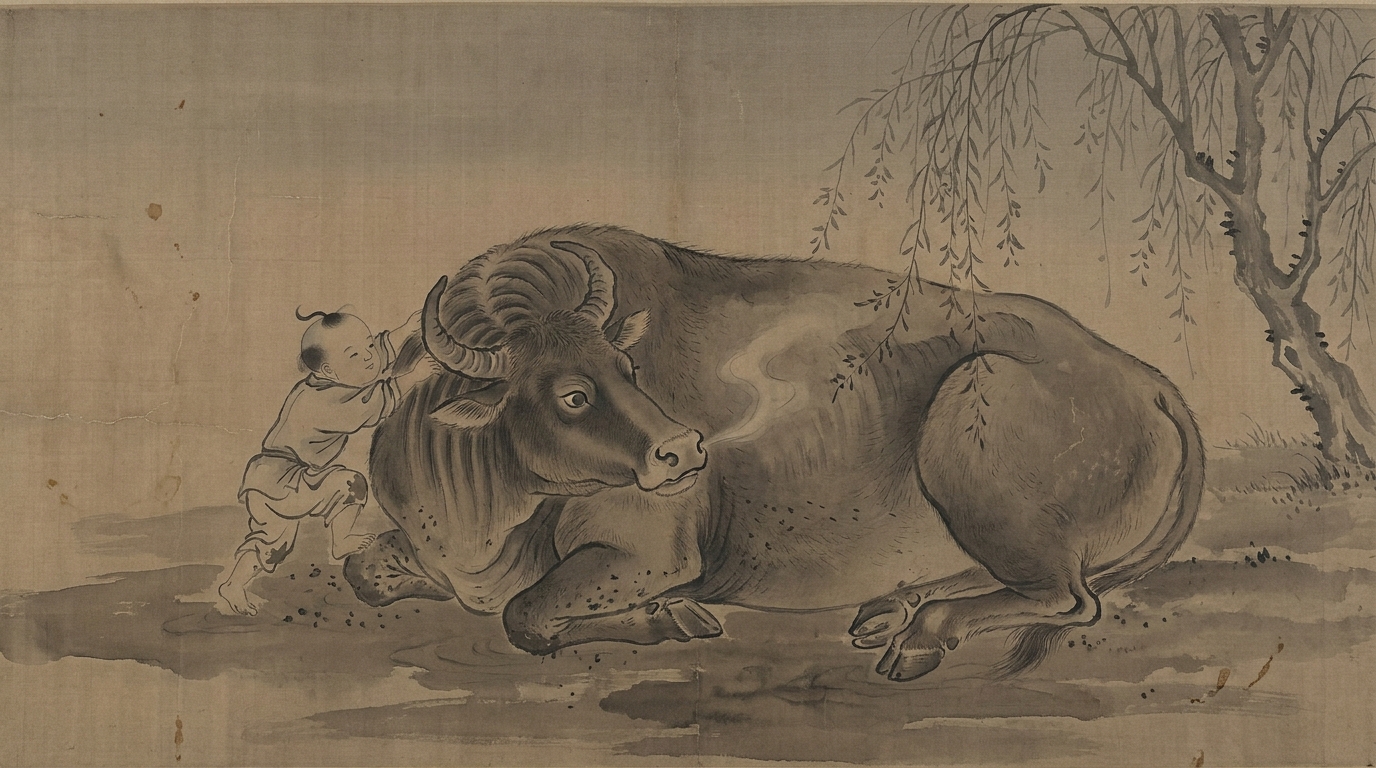
牛 literally means cow or ox — but in modern Chinese slang it means incredible, impressive, the best. When a Chinese person says 你真牛 they are not insulting you. They are telling you that you are exceptional.
Pig
LAZY · CLUELESS · EATING AND SLEEPING
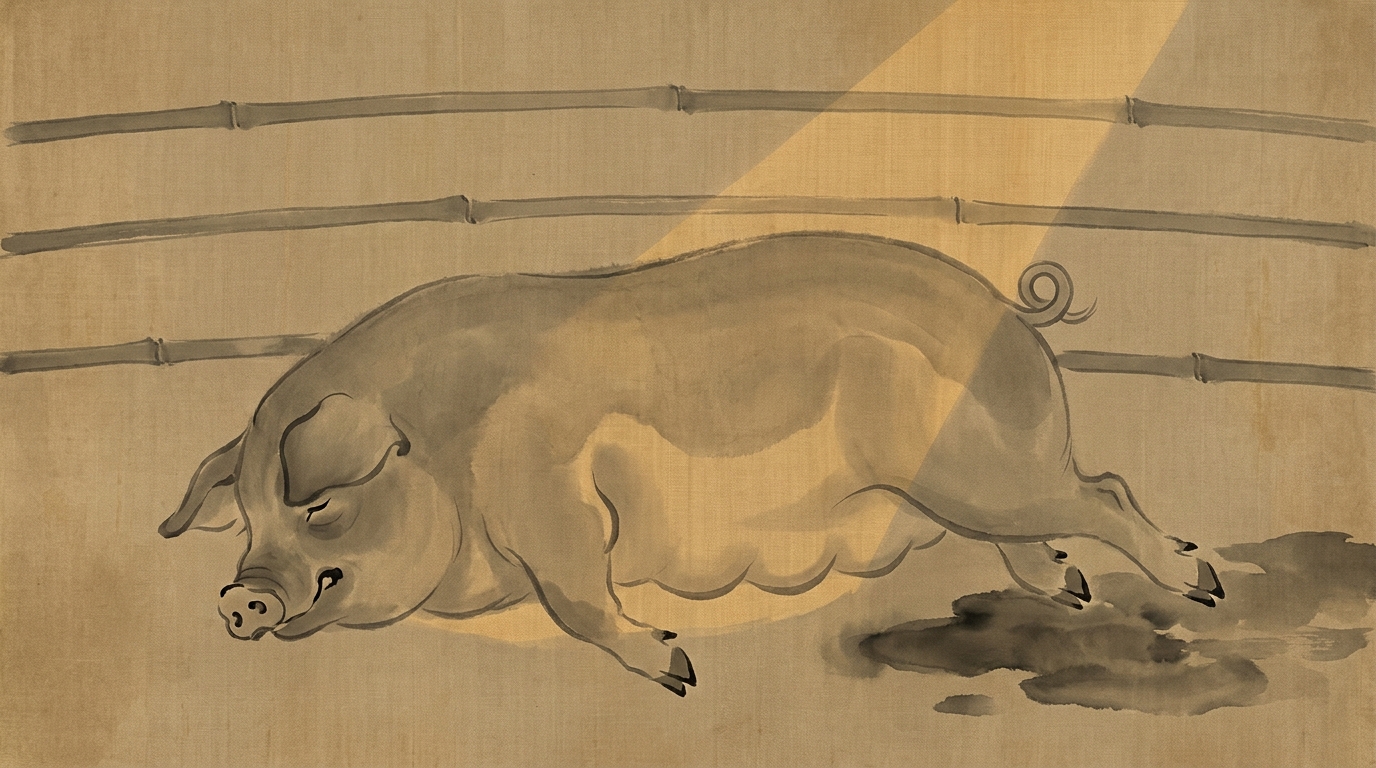
Calling someone a pig in Chinese is not subtle. It means they are lazy, oblivious, or only interested in eating and sleeping. Chinese parents use this one on teenagers who sleep past noon.
Dog
SHAMELESS · A LACKEY · SOMEONE WHO SERVES POWER
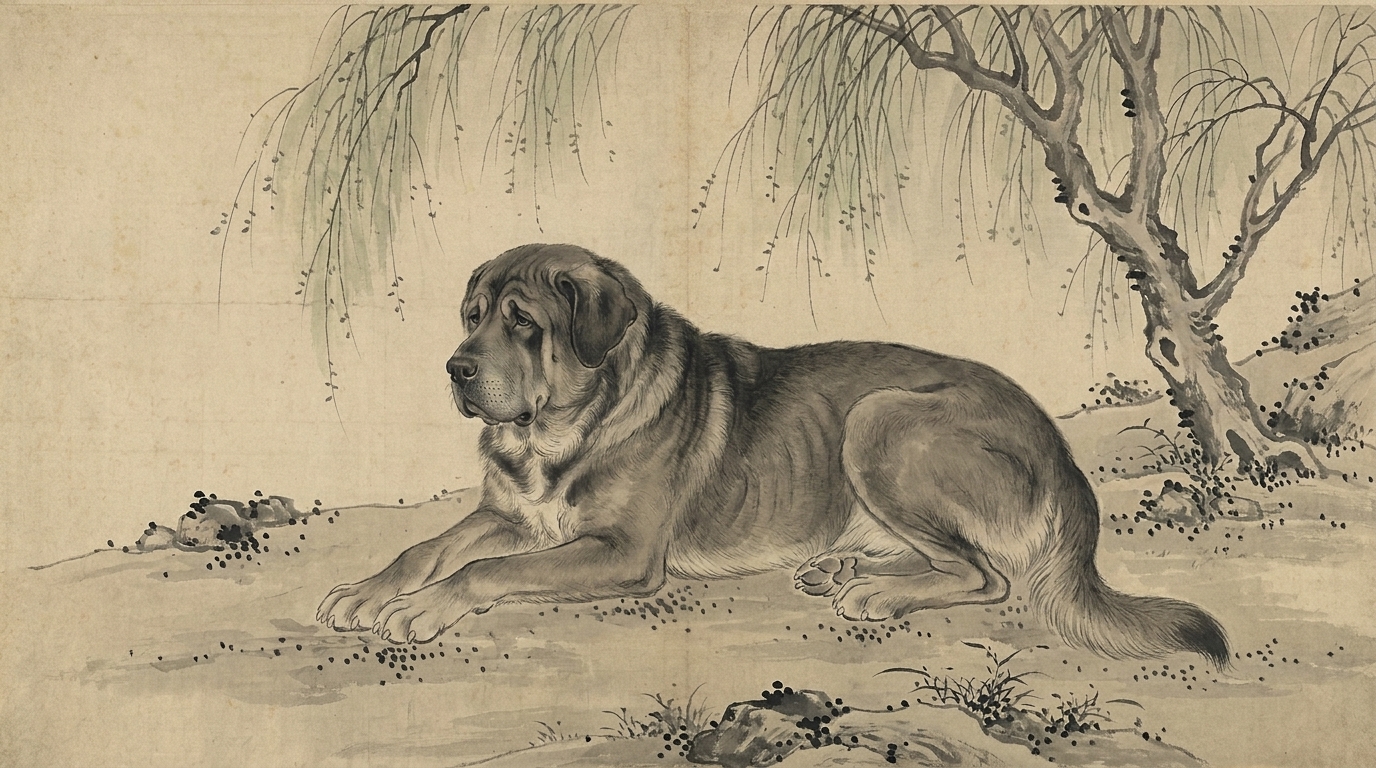
Unlike in the West where dog is loyal and loveable, 狗 in Chinese expressions often carries a negative meaning. A 狗腿子 is someone who does the dirty work for a powerful person — literally "dog leg." Used for sycophants and people without dignity.
Fox
SEDUCTIVE · CUNNING · A WOMAN WHO USES CHARM TO MANIPULATE
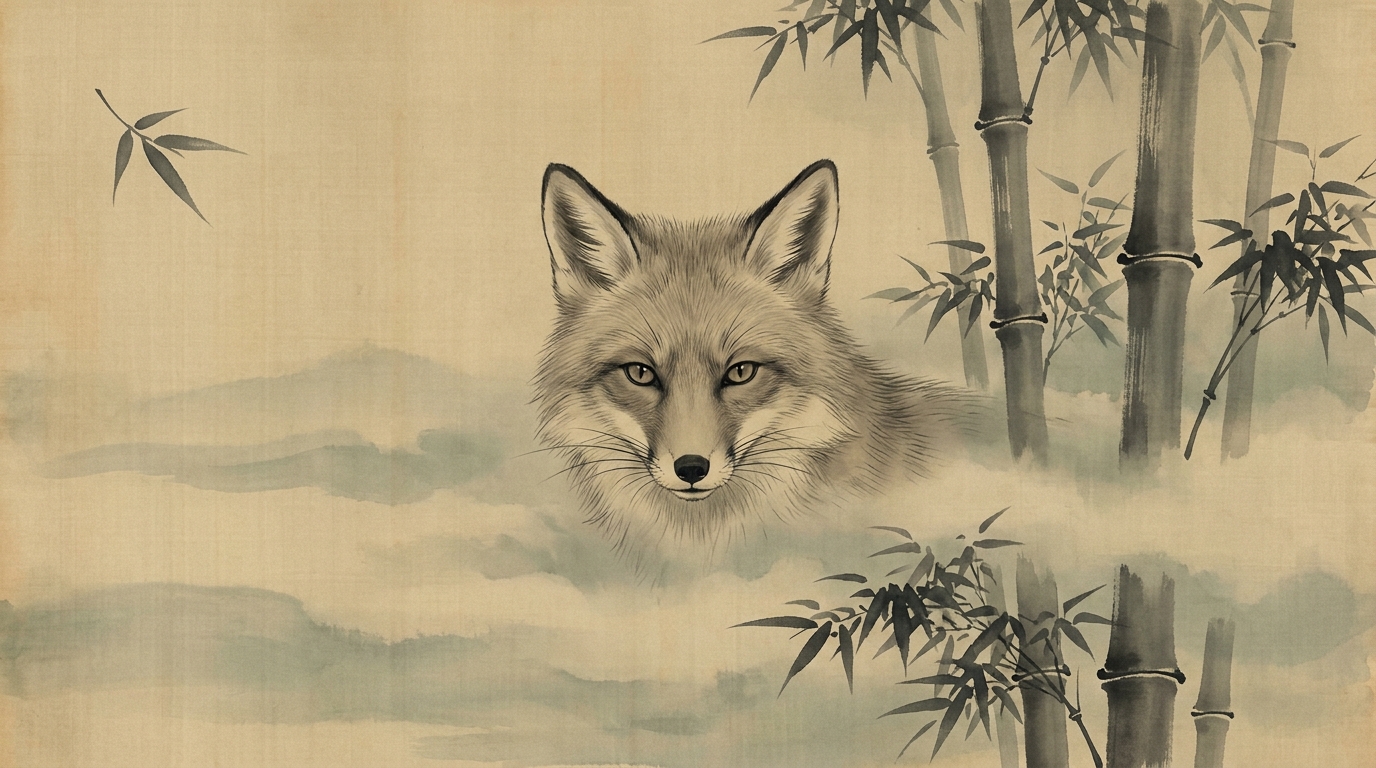
The fox spirit is one of the oldest figures in Chinese folklore — beautiful, shape-shifting, and dangerous. In modern usage, 狐狸精 is used for a woman who uses her charm to lure men away from their families. Loaded word. Use carefully.
Turtle
COWARD · SOMEONE WHO HIDES
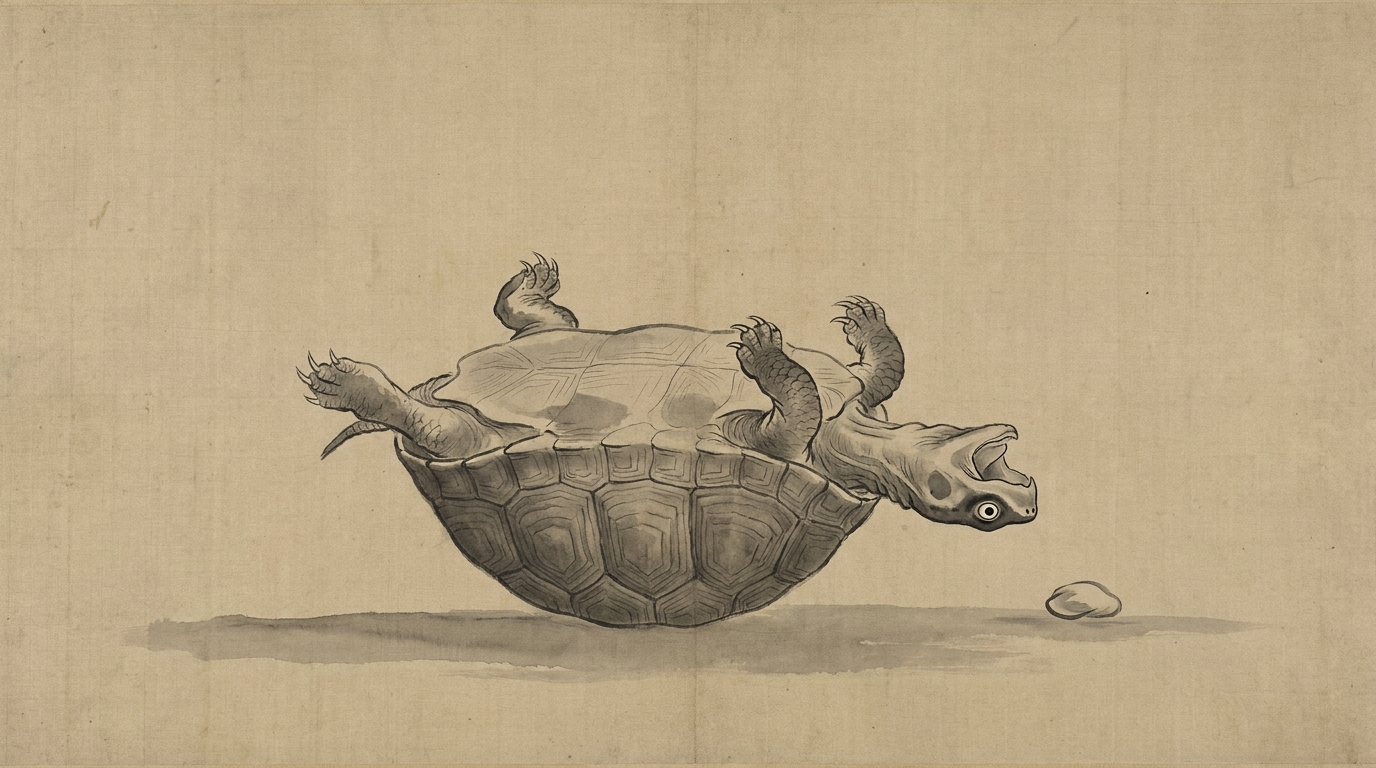
The turtle retreats into its shell when threatened. In Chinese, calling someone a 乌龟 means they are spineless — someone who hides from confrontation and refuses to stand up for themselves or anyone else.
Parrot
SOMEONE WHO REPEATS EVERYTHING WITHOUT THINKING
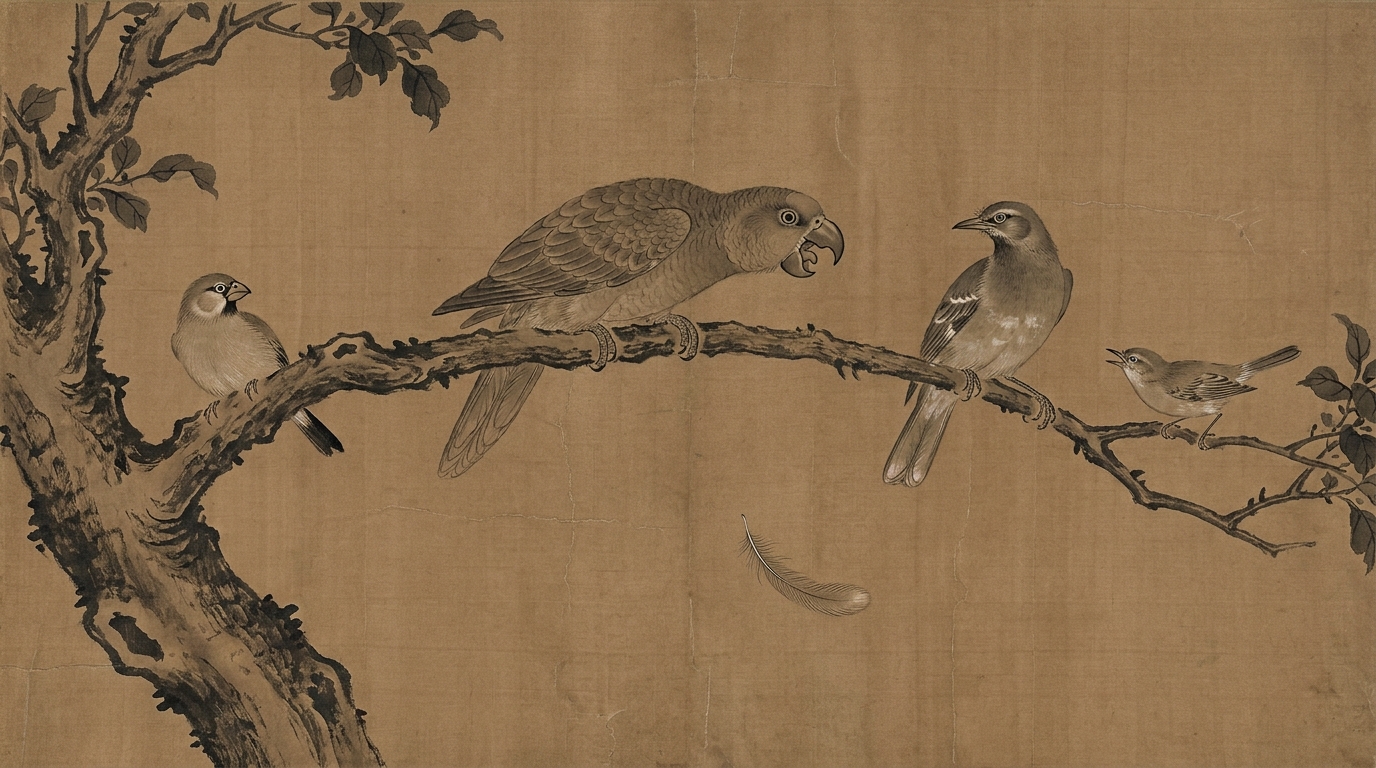
A person who parrots others — repeating what they hear without understanding or adding anything of their own. Used for people who copy opinions, follow trends blindly, or simply cannot think for themselves.
Language is never just words. Every animal in Chinese carries centuries of storytelling — folk tales, moral lessons, and the very human instinct to look at the world around us and see ourselves in it.