 Falafel in Hotpot
Learn • Issue 05
In Chinese, numbers describe people
Chinese is full of four-character expressions — 成语 chéngyǔ — that use numbers to paint a picture of a person's character, behaviour, or energy. The numbers are…
Chinese is full of four-character expressions — 成语 chéngyǔ — that use numbers to paint a picture of a person’s character, behaviour, or energy. The numbers are not mathematical. They are poetic. Once you know them, you will hear them everywhere.
One of a kind
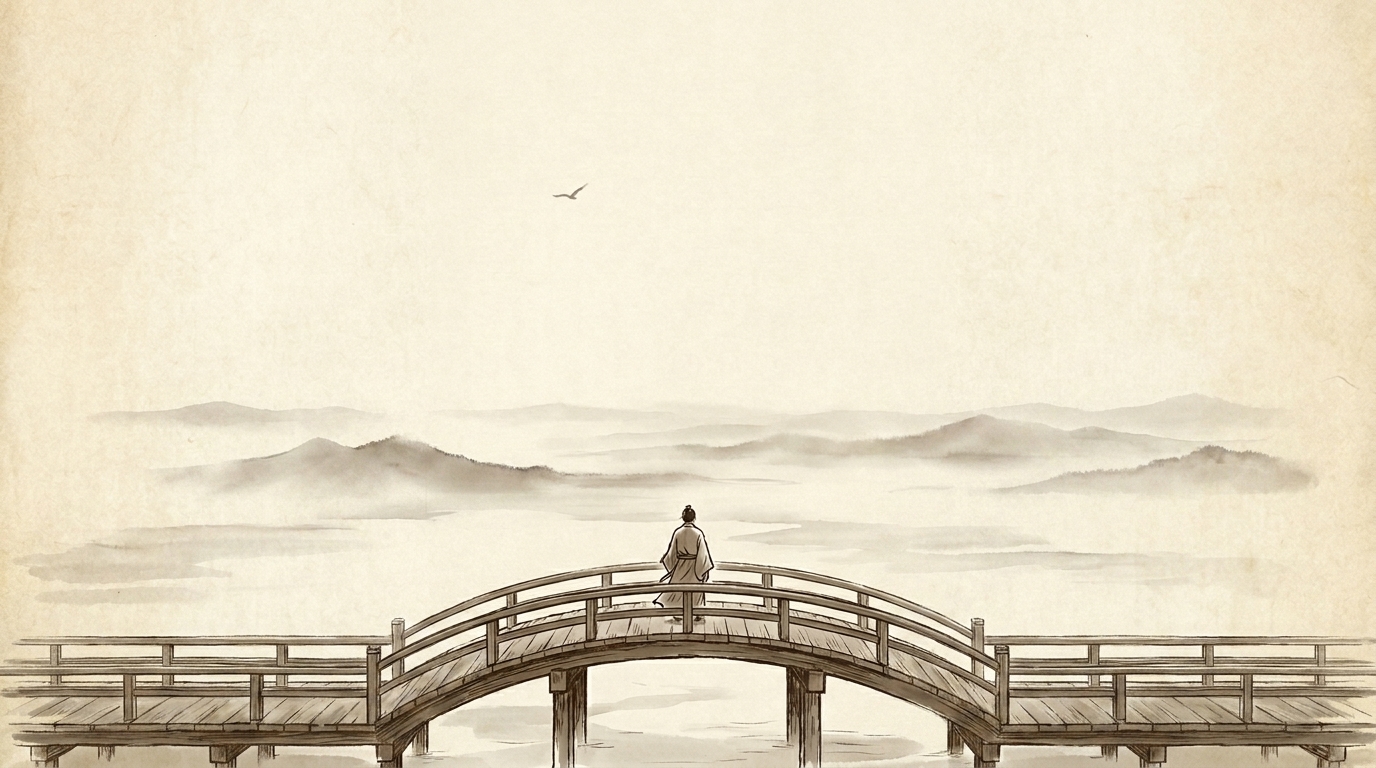
The highest compliment in Chinese — saying someone or something is so exceptional that there is simply no second version of it anywhere in the world. Literally: alone one, without two.
Top tier
Used to describe someone who ranks at the very top — not necessarily the single best, but firmly among the elite. A compliment that feels credible because it allows room for humility. Literally: count one, count two.
All over the place
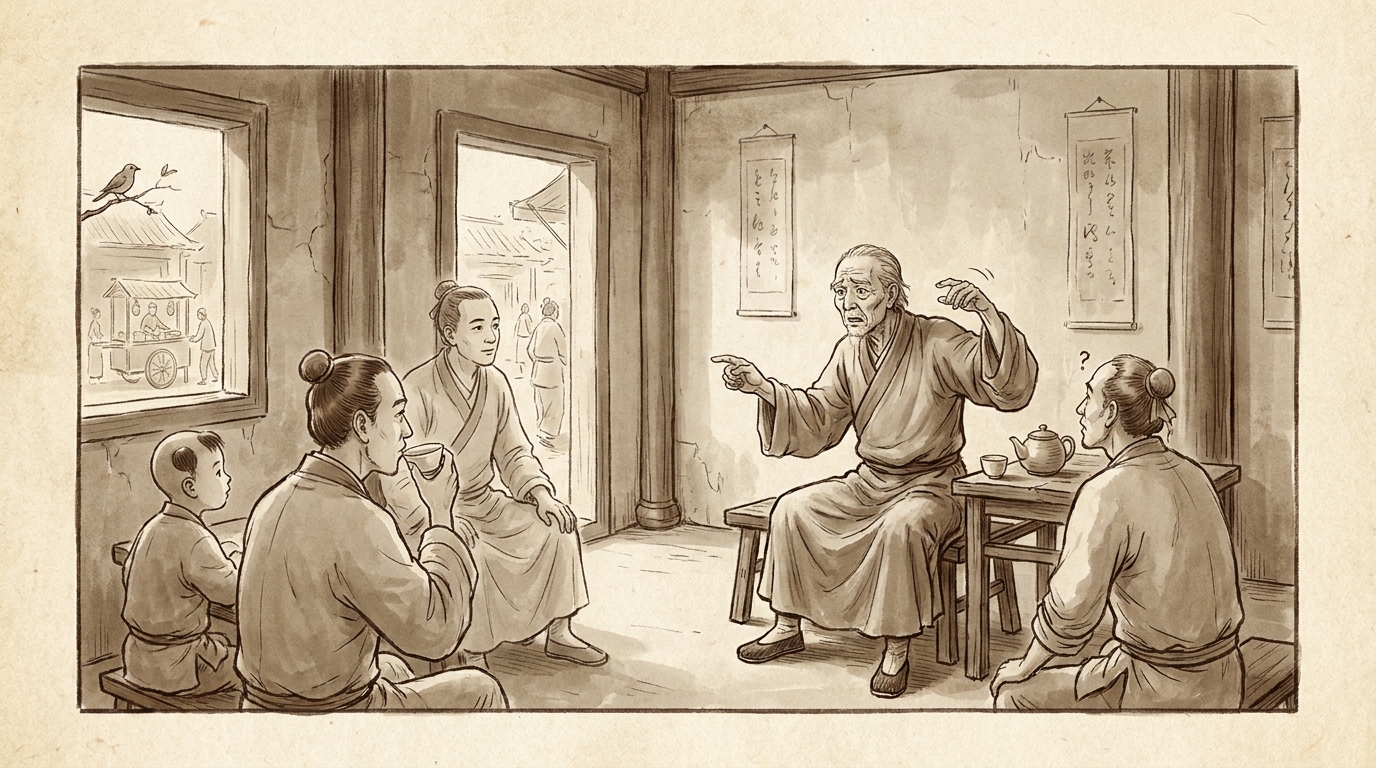
Someone whose thinking, speech, or behaviour is completely scrambled — they cannot keep their story straight, their thoughts are jumbled, nothing comes out in the right order. Literally: topple three, invert four.
Forever forgetting
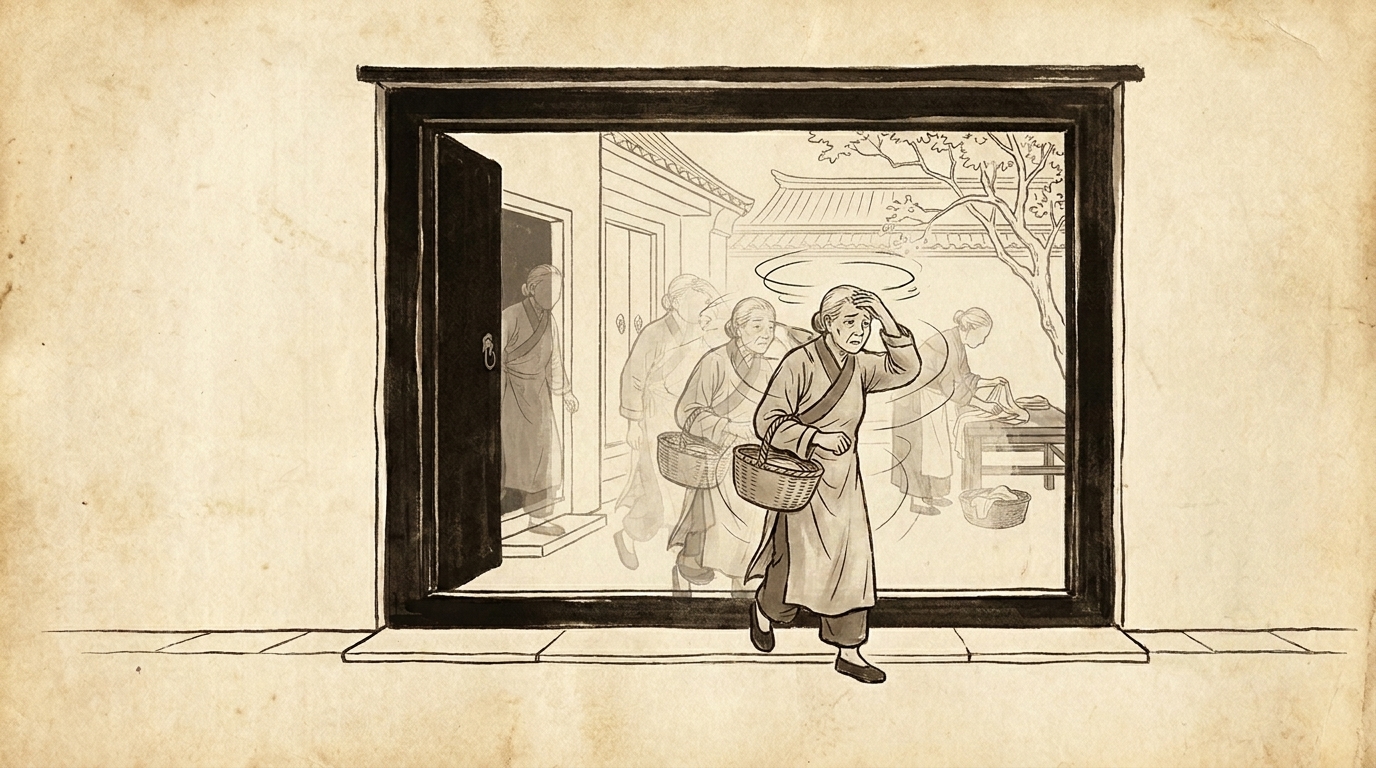
The person who leaves their phone at the restaurant, forgets their keys, misses the meeting, and cannot remember where they put anything. Said affectionately — or with exhaustion — depending on the relationship. Literally: lose three, drop four.
Complete chaos
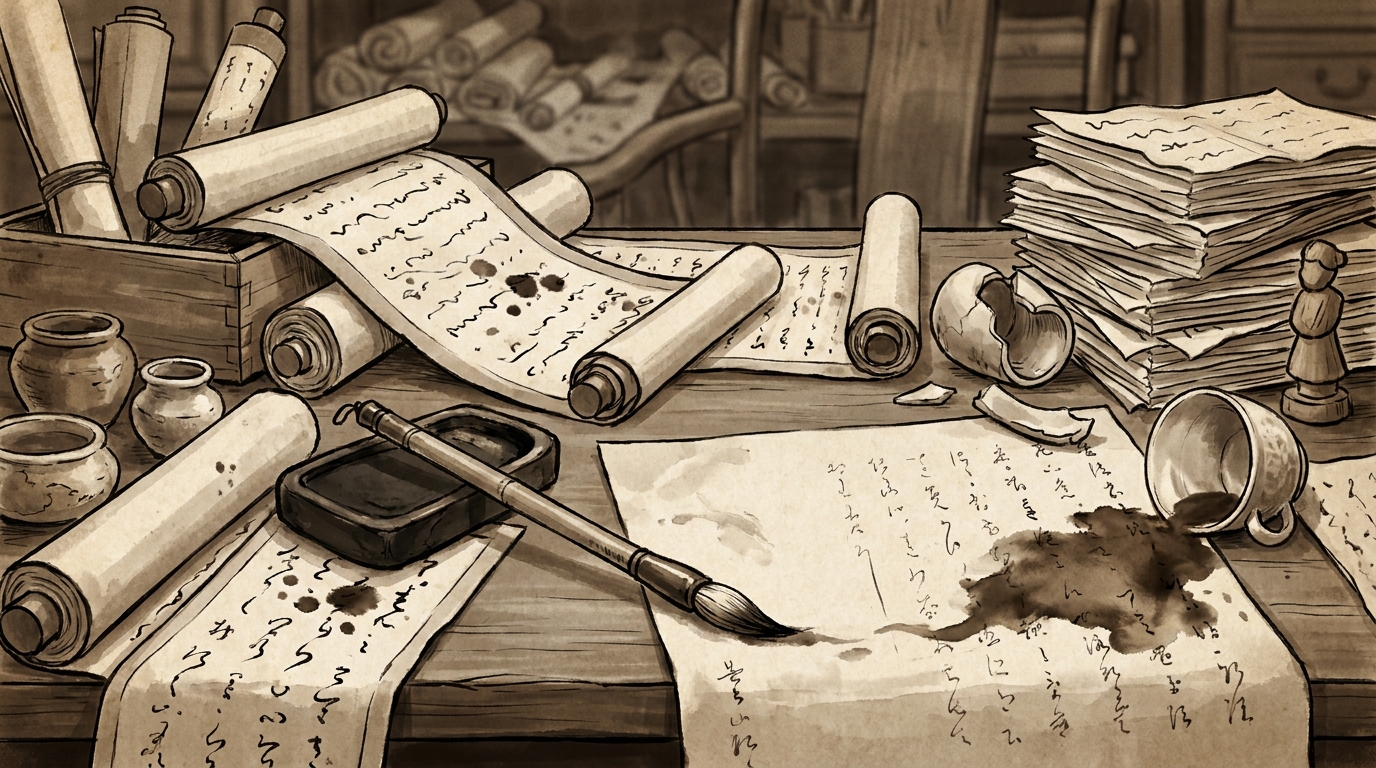
Things lying in every direction, no organisation whatsoever — a room, a plan, a life in total disarray. Not violent chaos, but the warm mess of a good night that nobody has tidied yet. Literally: horizontal seven, vertical eight.
Crooked and twisted
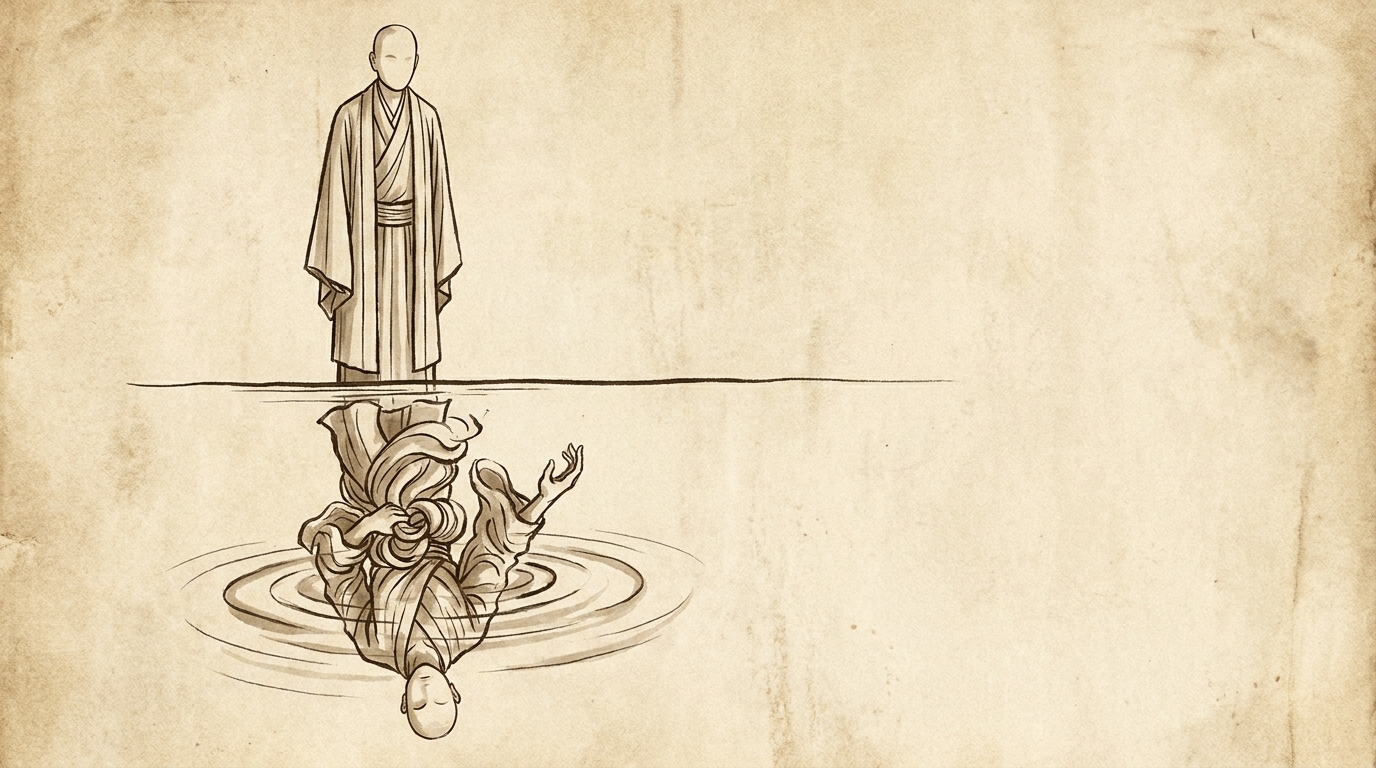
Used for things — or people — that are warped, bent, or just fundamentally off. Can describe bad handwriting, a wonky structure, or someone whose character or reasoning is twisted and unreliable. Literally: crooked seven, twisted eight.
An absolute mess
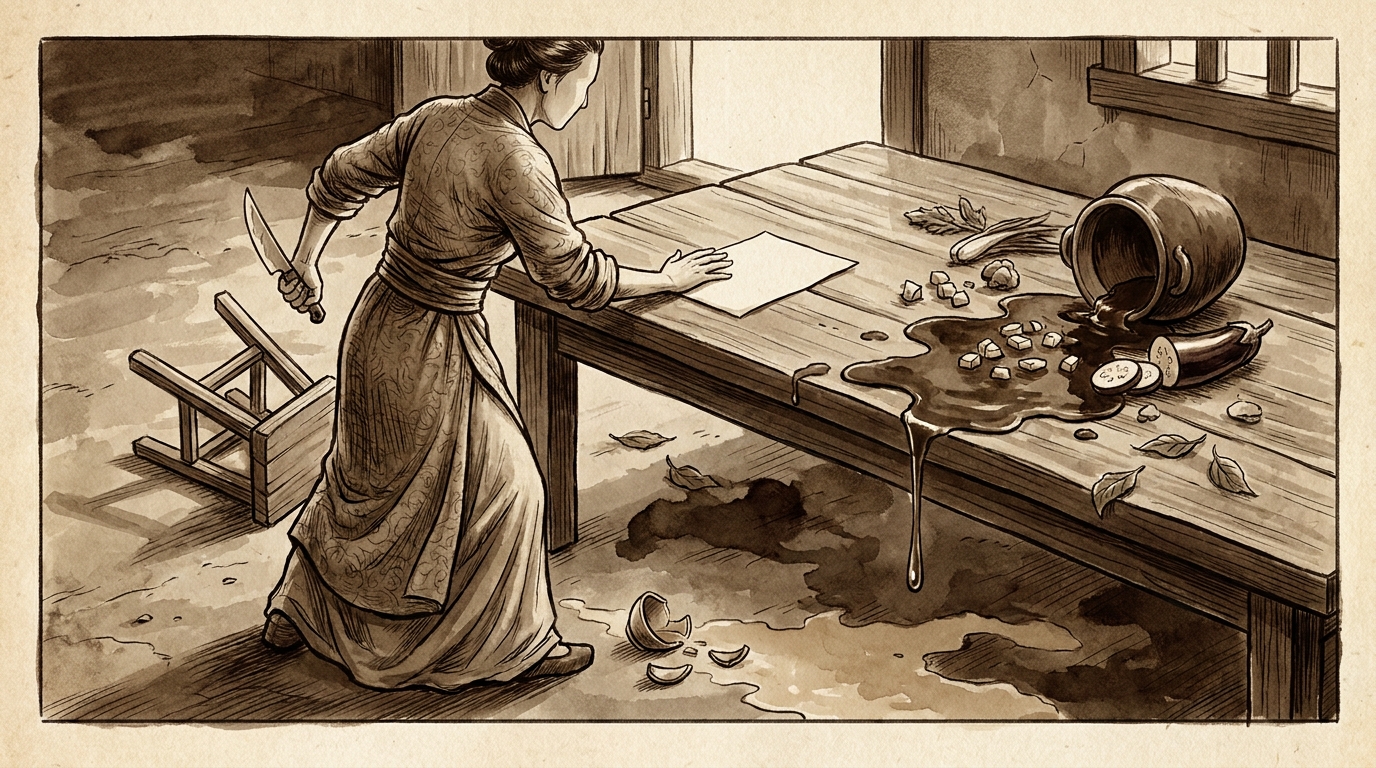
The most commonly used expression for total mess — in a room, in a plan, in someone’s personal life. Stronger than 横七竖八 and more emotionally loaded. When Chinese people say this, they mean it. Literally: chaotic seven, eight terrible.