 Falafel in Hotpot
Learn • Issue 07
Chinese people say I love you.Just never those words
In Chinese culture, 我爱你 — I love you — exists. But it is said rarely. Carefully. Only when truly meant. For everything else — the daily, ordinary, relentless…
In Chinese culture, 我爱你 — I love you — exists. But it is said rarely. Carefully. Only when truly meant. For everything else — the daily, ordinary, relentless love that fills a life — Chinese people use a completely different language. One built from actions, questions, and phrases that never mention love at all.
Here is what that language actually sounds like.
The original love language
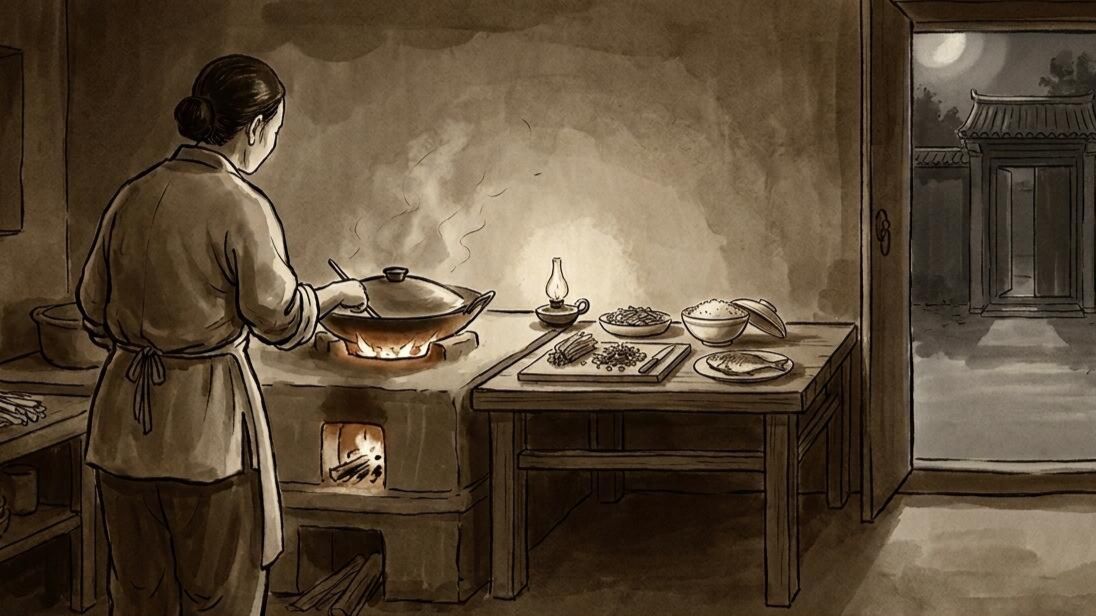
The most Chinese way to say I love you. Not a question about food. A question about whether someone has looked after you today. Whether you are okay. Whether the world has been kind to you. When a Chinese parent calls and asks this, they are not asking about your meal. They are saying: I think about you. I worry about you. You matter to me.
The goodbye that means stay safe
Said every time someone leaves. Not because the road is dangerous. Because letting go is hard and this is the softest way to hold on for one more second. Every Chinese mother says this. Every Chinese grandmother. It is the sound of love watching you walk away and wanting you to come back.
The weather report that is actually a love letter
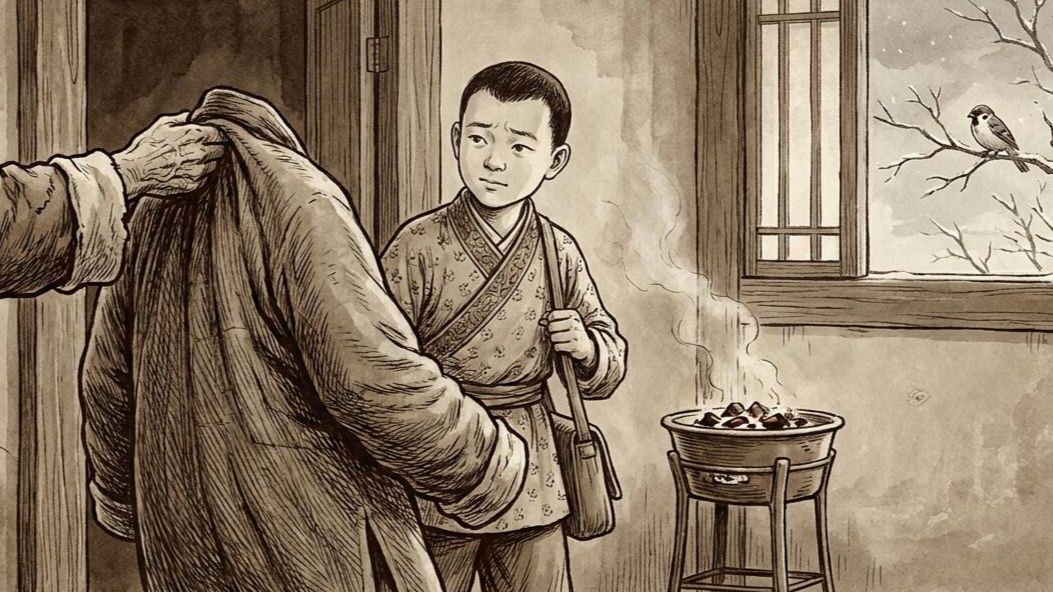
Three characters. A lifetime of care. Chinese parents say this every autumn, every winter, every mildly cool spring morning. It is not about the temperature. It is about the fact that they are still watching. Still noticing. Still thinking about your body and whether it is warm enough in a world that can be cold.
The act that speaks louder than any word

This one is quiet and devastating. It means someone went to the market or the shop and thought of you specifically — not in general, but in the particular detail of what you love. They remembered. And they acted on it. That is the whole definition of love in Chinese culture. Remembering and acting.
The observation that is actually concern
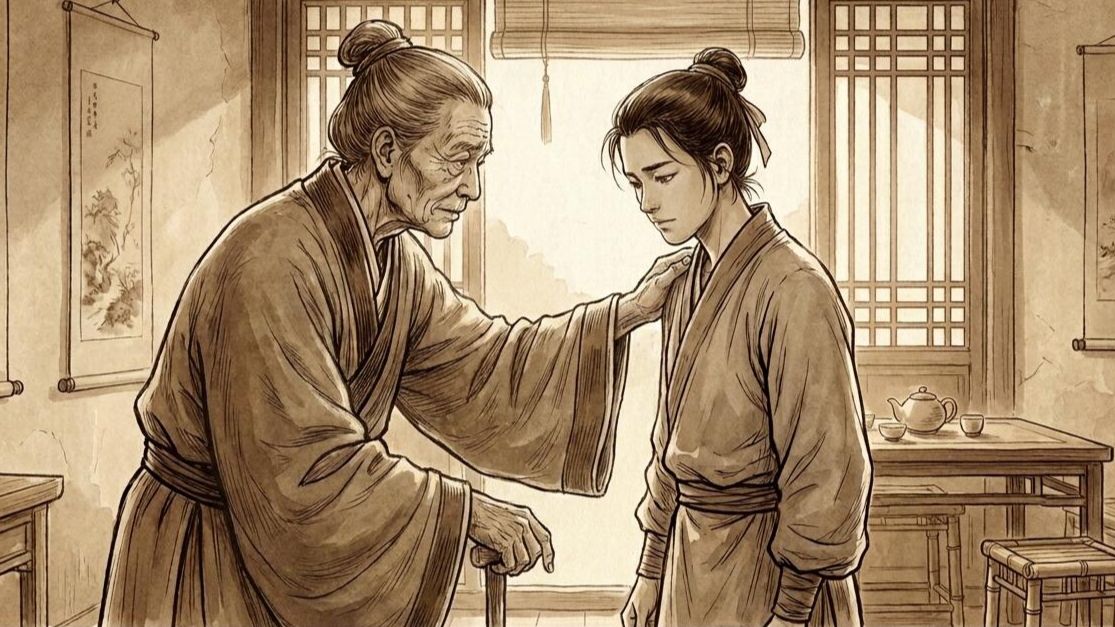
In the West this might land as rude. In Chinese culture it means: I look at you so carefully that I notice changes. I have been paying attention to you this whole time. 你瘦了 from a Chinese parent means — are you eating? Are you okay? Are you stressed? It is surveillance that comes entirely from love.
The invisible thread
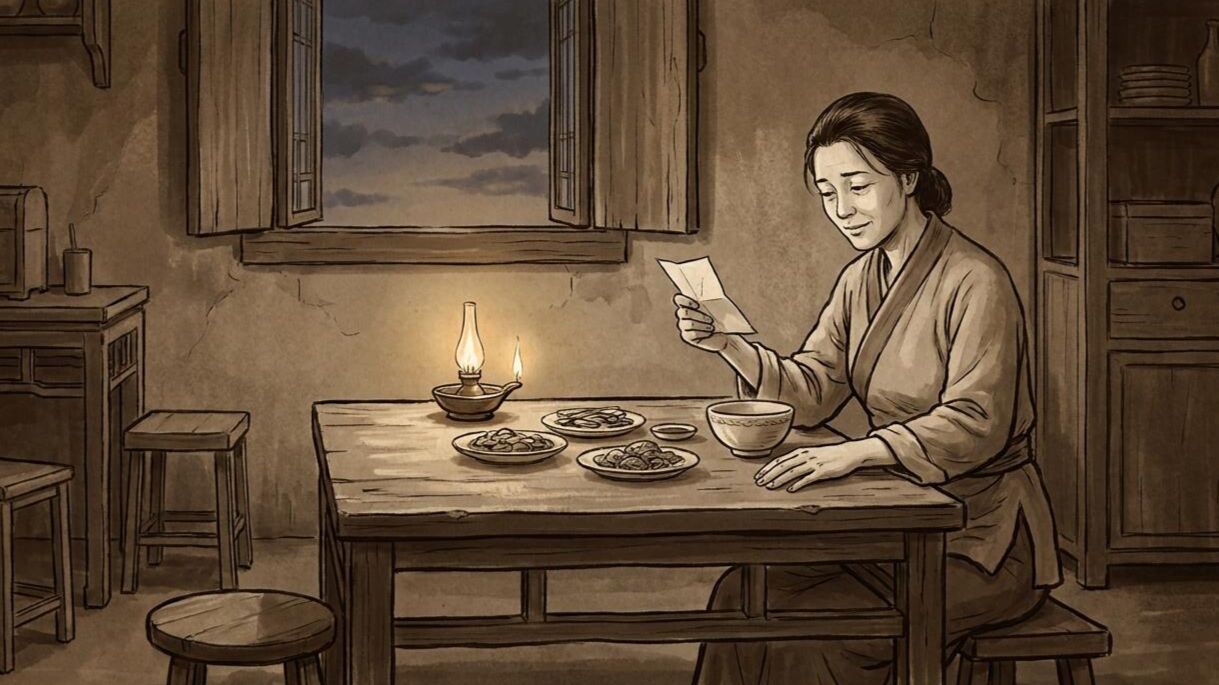
Six characters that mean: until you message me, I will be thinking about you. I will be imagining the journey. I will not fully relax until I know you are safe. This is the most common Chinese expression of love that is never called love. It is just what you say. Every time. Because the alternative — saying nothing — is unthinkable.