 Falafel in Hotpot
Learn • Issue 08
In Chinese, no is never just no
So instead, Chinese people say something else. Something that sounds like maybe, or not quite, or let me think about it — and means no. Every single time. Here…
So instead, Chinese people say something else. Something that sounds like maybe, or not quite, or let me think about it — and means no. Every single time. Here is how to read it.
The classic
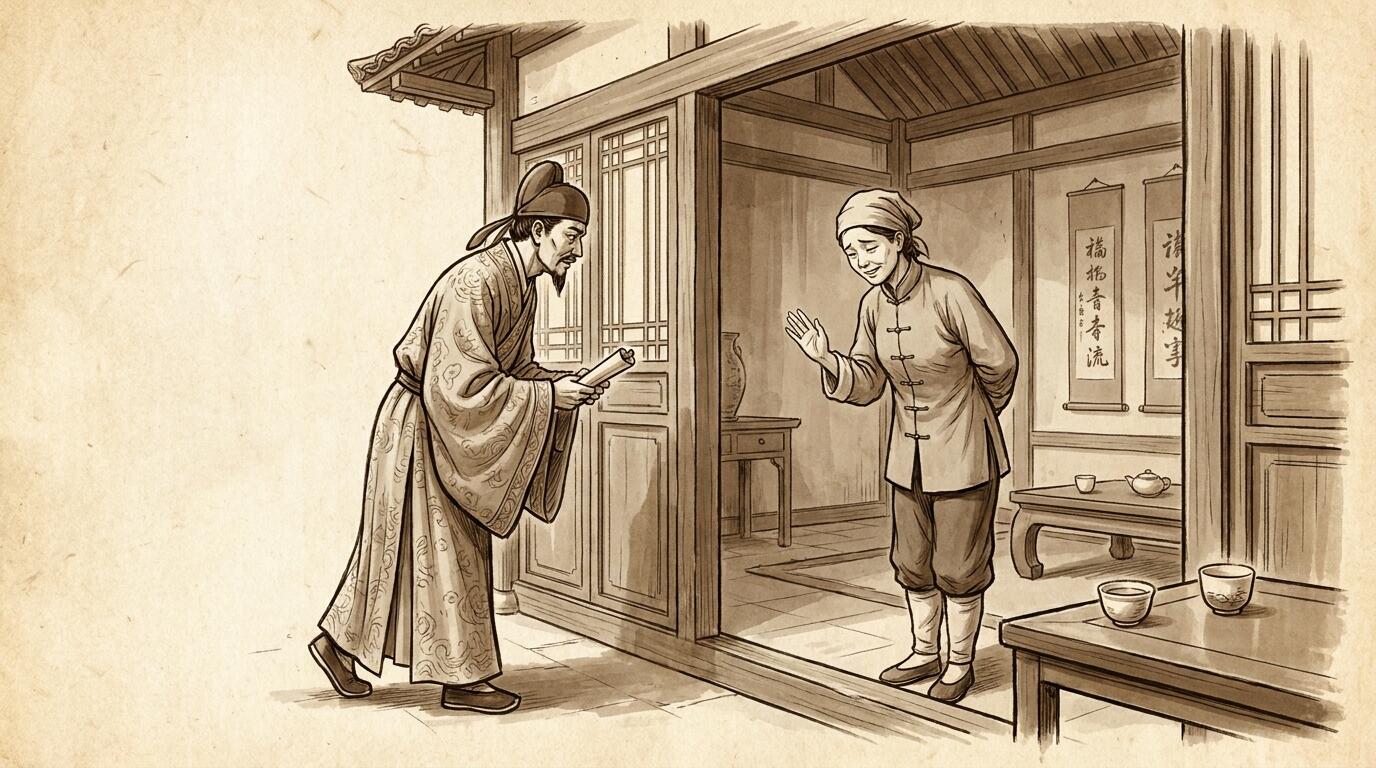
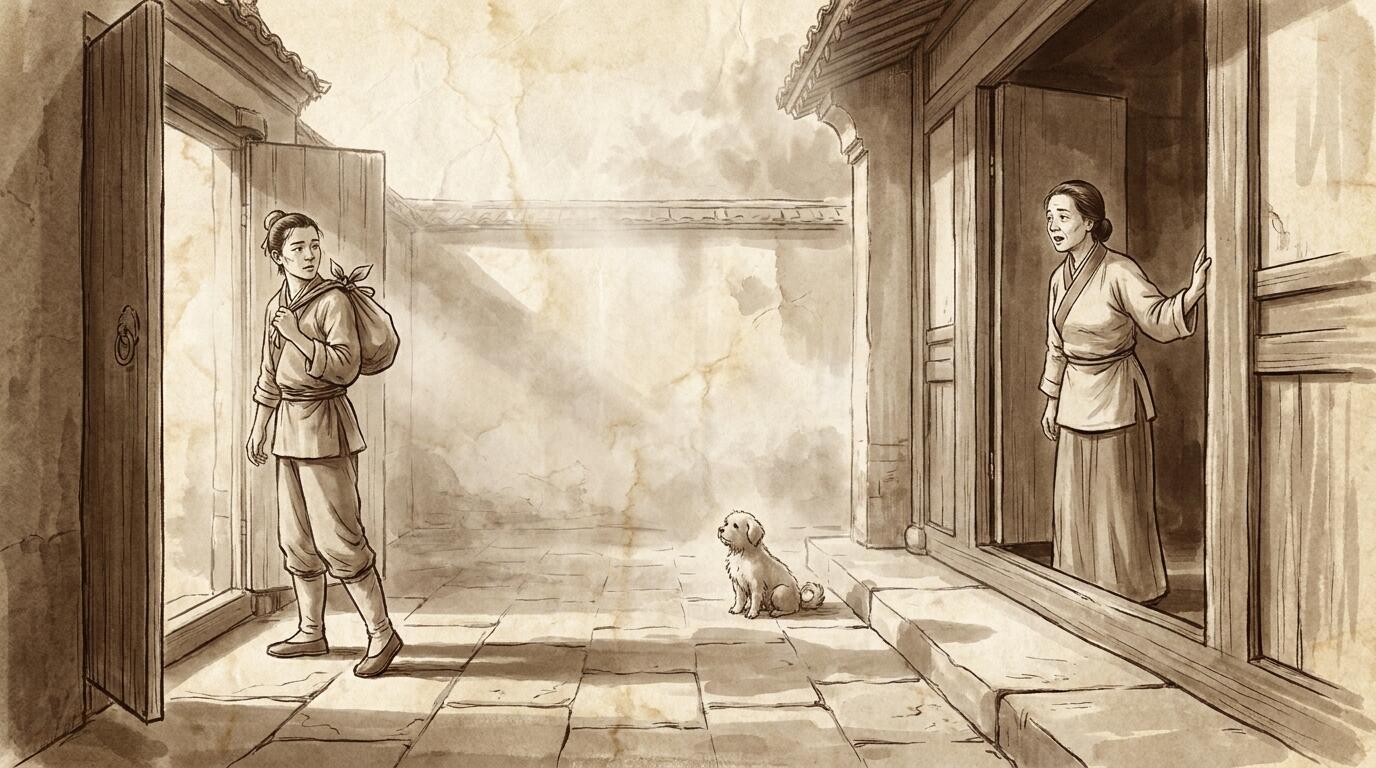
This is the most used indirect no in the Chinese language. It sounds like a scheduling problem. It is not. When someone says 不太方便 they are telling you they are not interested, they will not be coming, and the answer is no. But they are wrapping it in something practical so nobody has to say it out loud.
Zhè zhōu bù tài fāngbiàn, xià cì ba. — This week is not very convenient — maybe next time.
The delay
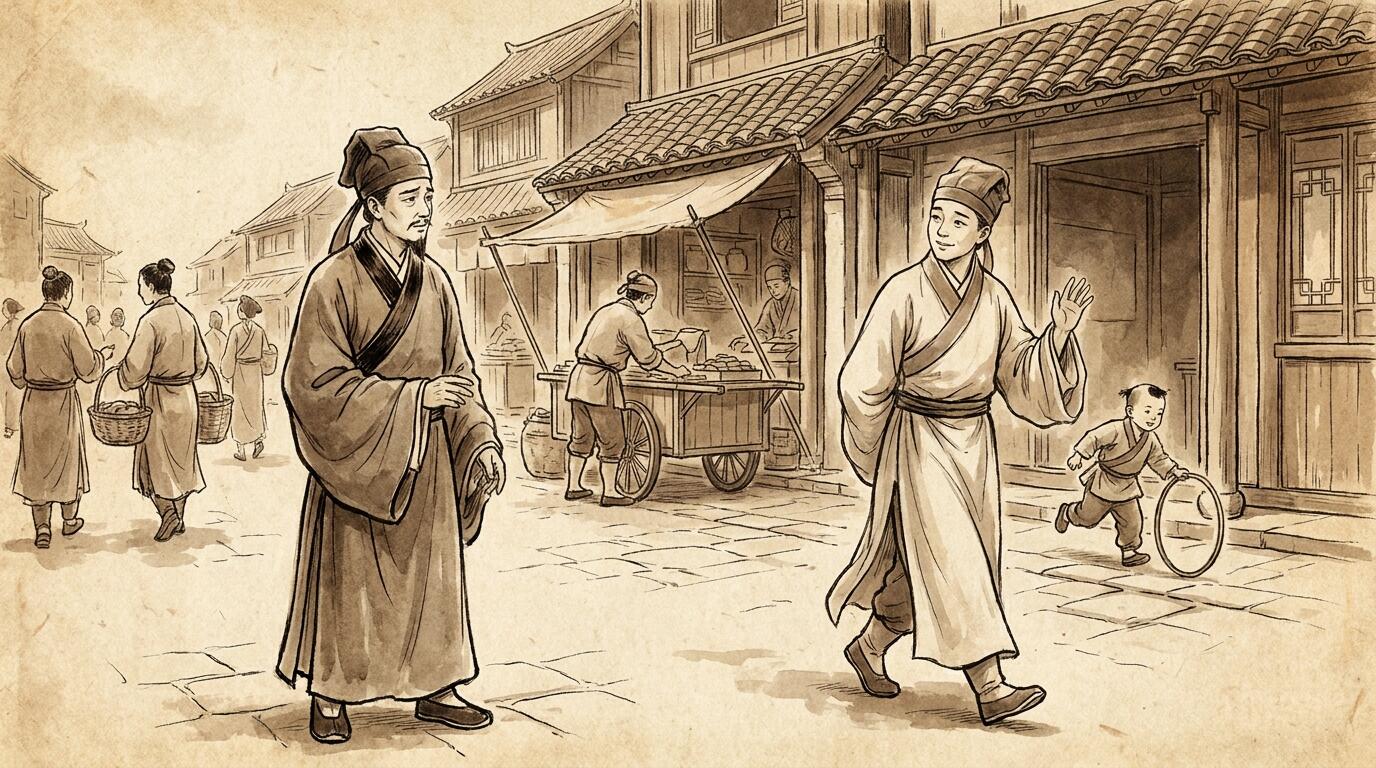
This gives the appearance of consideration. The door seems open. But in Chinese communication, if someone wanted to say yes, they would have said yes already. 我再想想 is the polite way of ending a conversation without closing it — because closing it would require saying no, and no one wants to do that.
Zhège tíyì wǒ zài xiǎng xiǎng. — Let me think about this proposal some more.
The honest no disguised as a problem
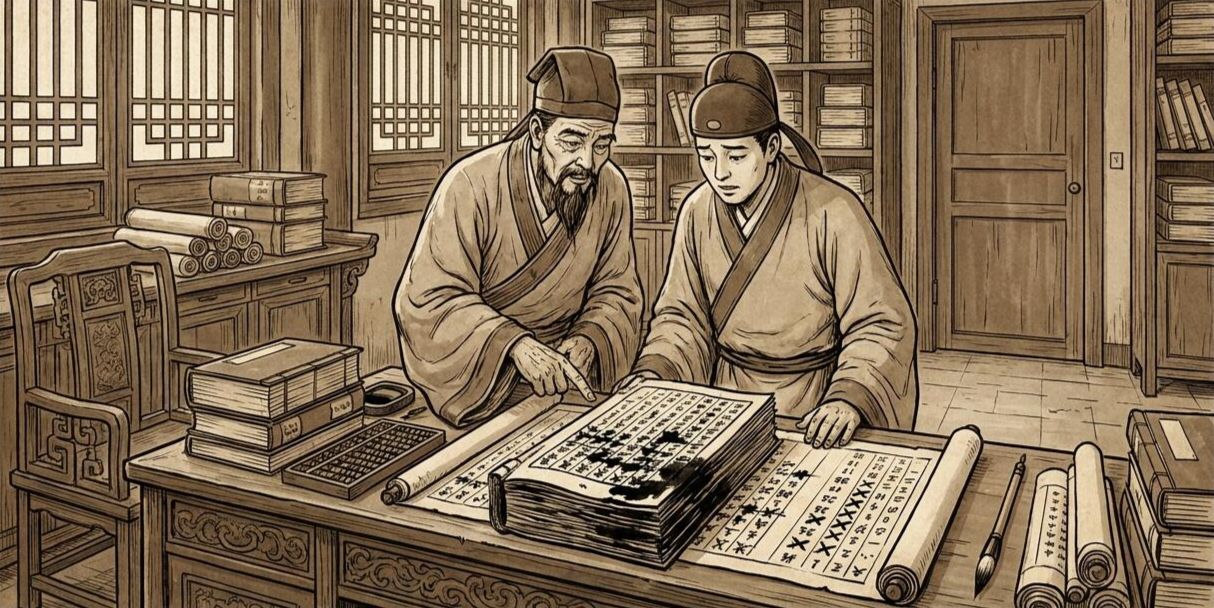
This one is clever. It does not say no — it says the circumstances are against it. The problem is external, not personal. This protects everyone’s face because nobody is refusing anybody. The situation is simply difficult. The situation, not the person, is saying no.
Zhège yāoqiú kěnéng yǒudiǎn nán shíxiàn. — This request might be a little difficult to fulfil.
The business no
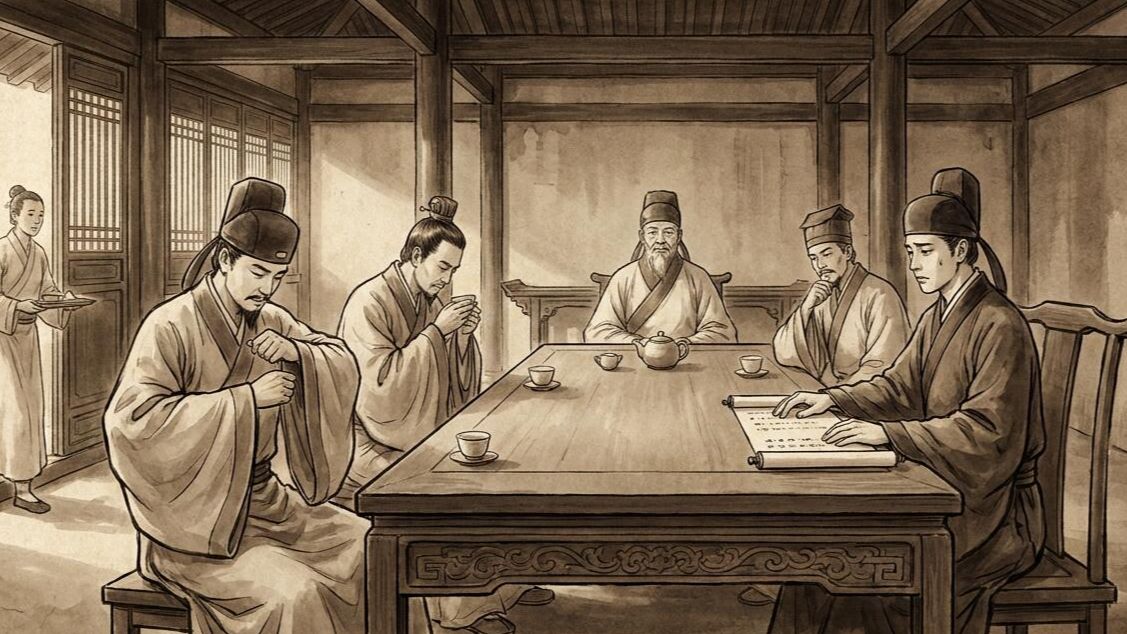
The most commonly misread phrase in Chinese business culture. Western counterparts hear this and think: good, they are interested, they are going to review it. Chinese speakers hear this and think: the meeting is over. This is the polite exit from a proposal that is not going forward. No further study will happen.
Zhège fāng’àn wǒmen nèibù yánjiū yīxià. — We will study this proposal internally.
The maybe that means no
Technically this means maybe. In practice it means no but with the comfort of uncertainty left in place. 看情况吧 gives everyone a graceful exit — the asker does not have to feel rejected and the responder does not have to feel rude. The answer is no. The situation will never align.
Zhōumò néng lái ma? Kàn qíngkuàng ba. — Can you come this weekend? — It depends on the situation.
The withdrawal of support
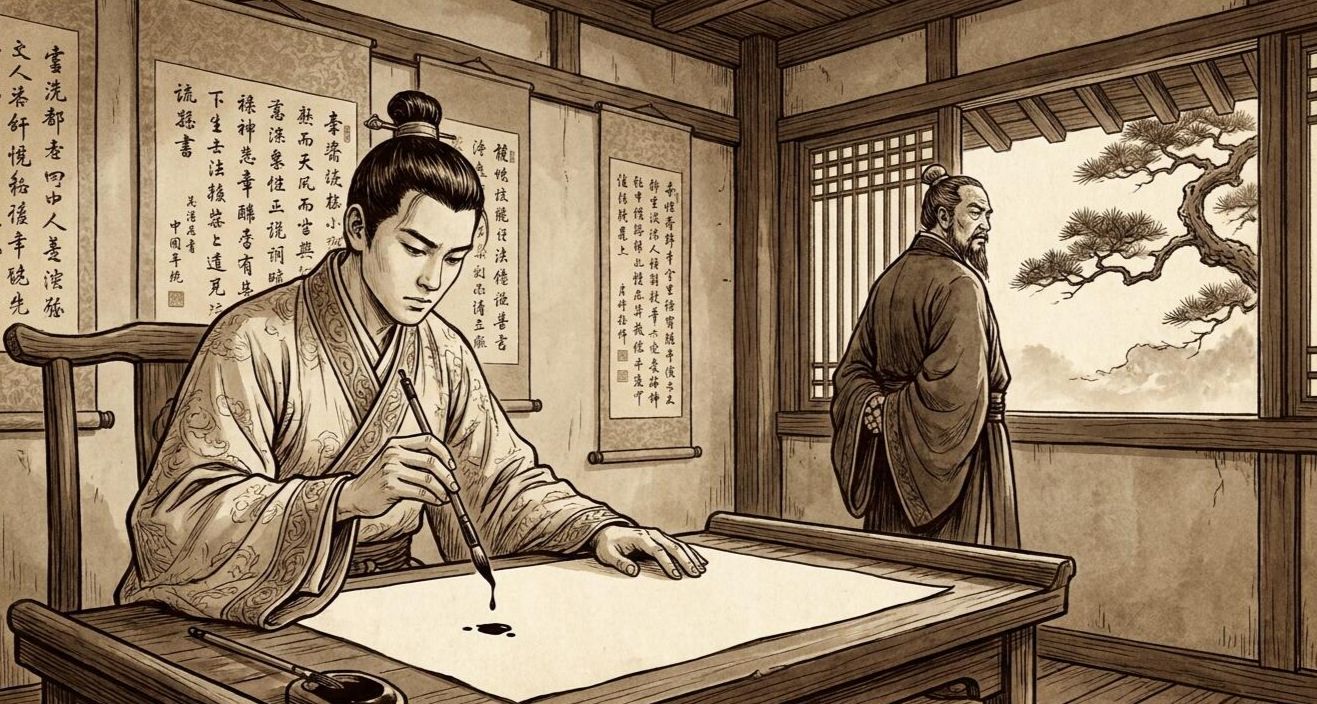
This one sounds like freedom. It is not. When a Chinese parent or superior says 你看着办吧 they are expressing disapproval by removing themselves from the decision. They disagree with what you are about to do. But instead of saying no, they are saying: this is on you. And the tone carries everything the words do not.
Nǐ juédìng ba, nǐ kàn zhe bàn. — You decide — do whatever you think is best.