 Falafel in Hotpot
Learn • Issue 09
You don't need to write poetry. You need to talk.
The most important thing about learning is the goal. Most people skip this step entirely — and that one missing question is exactly why so many people quit.
The most important thing about learning is the goal.
Most people skip this step entirely. They pick up a language, an instrument, a skill — and start memorizing, without ever asking themselves what they’re actually trying to do with it.
And that one missing question is exactly why so many people quit.
Take language learning. If your goal is to read classical poetry, you need years of vocabulary, grammar, and literary nuance. But if your goal is simply to talk to people — order food, make a friend, hold a real conversation — you don’t need any of that. You need to learn how people actually speak, and then speak to them. That’s it. That’s the whole task.
Once you know your goal, you know exactly where to spend your strength. Everything that doesn’t serve it, you’re allowed to skip.
This is exactly true for Chinese.
Most people who want to learn Chinese never ask themselves why first. So they default to the version everyone assumes is “real” learning — hundreds of characters, stroke order, textbook grammar drills — and most quit within a few months, exhausted, having never held one real conversation.
But if your goal is to speak — greet a colleague, take a taxi, build a real connection — you don’t need years of characters. You need spoken Mandarin, real phrases, cultural context, and the confidence to actually use them.
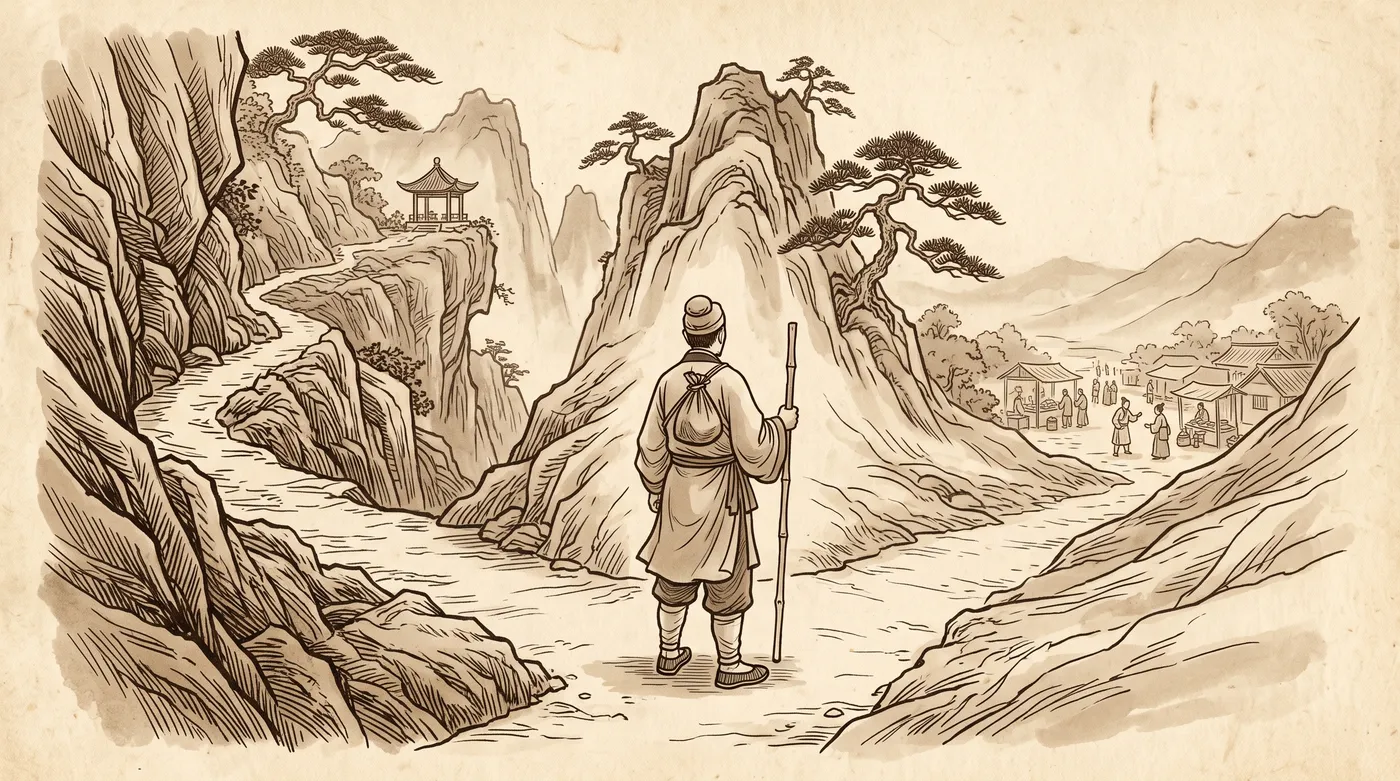
Two goals, two different paths
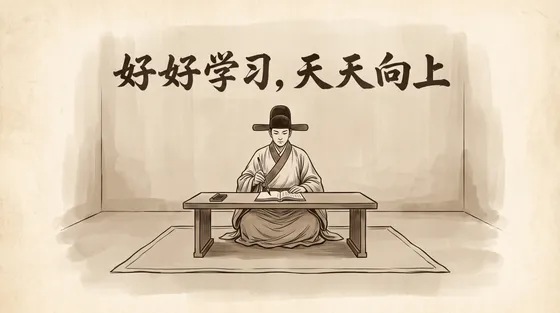
Goal one — read and write literature: years of characters, grammar, classical structure.
Goal two — speak and connect with people: spoken phrases, listening, real conversation, cultural context. No characters required to start.
Once you know, you’ll know exactly what to spend your time on — and, just as importantly, what you’re allowed to let go of.