 Falafel in Hotpot

Learn • Issue 10
Nobody actually says 你好吗. I promise.
If you've studied Chinese from a textbook, you probably learned 你好 for hello, 你好吗 for "how are you," and 很高兴认识你 for "nice to meet you." All technically correct. Almost nobody actually talks like this.
How Chinese people actually say hi
If you’ve studied Chinese from a textbook, you probably learned 你好 (nǐ hǎo) for hello, 你好吗 (nǐ hǎo ma) for “how are you,” and 很高兴认识你 (hěn gāoxìng rènshi nǐ) for “nice to meet you.” All technically correct. All things a real Chinese person will understand perfectly.
Almost nobody actually talks like this.
Here’s what real greetings sound like — the ones you’ll actually hear on the street, in group chats, and in meetings.
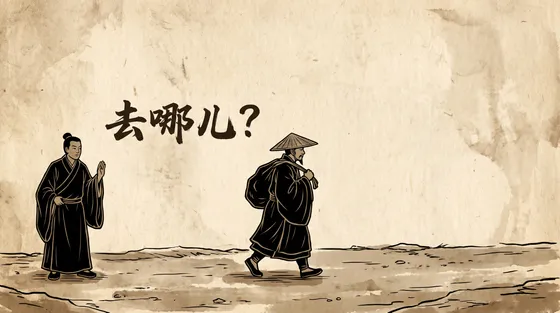
Forget “how are you” — ask if they’ve eaten. 吃了吗? exists, but it sounds like something out of a phrasebook. What people actually say, especially between neighbors, older generations, or anyone catching up casually, is this.
It’s not really about food. It’s a stand-in for “how are you,” rooted in a culture where checking on someone’s wellbeing has historically meant checking whether they have enough to eat. You don’t need a real answer — 吃了 (chī le) — “yeah, I ate” — is basically just “I’m good, thanks.”
Catching up with someone? Skip “how are you” entirely. 最近怎么样? is the one you use with someone you haven’t seen in a while — far more natural than 你好吗 (nǐ hǎo ma), which barely gets used in real conversation at all.
Texting a friend? There’s a phrase for that too. 干嘛呢? is casual, texting-register Chinese — the equivalent of “what’s up” between friends, not something you’d say to your boss.
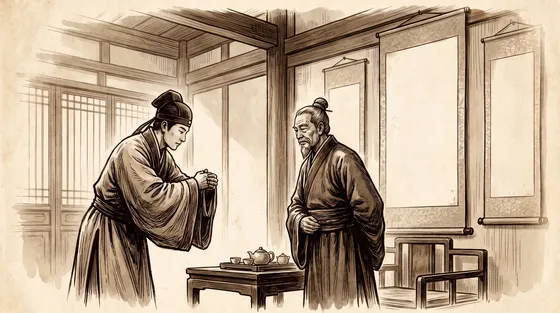
And the one that inspired this whole newsletter. You learned 很高兴认识你 (hěn gāoxìng rènshi nǐ) for “nice to meet you” — perfectly correct, a little formal, a little textbook. In real business or polished social settings, native speakers often reach for something with more personality.
Often doubled for warmth — 幸会幸会 (xìnghuì xìnghuì) — it’s the kind of phrase that immediately signals you’re not just translating in your head.