 Falafel in Hotpot
Bridge • Issue 14
Chinese tea, Arabic coffee
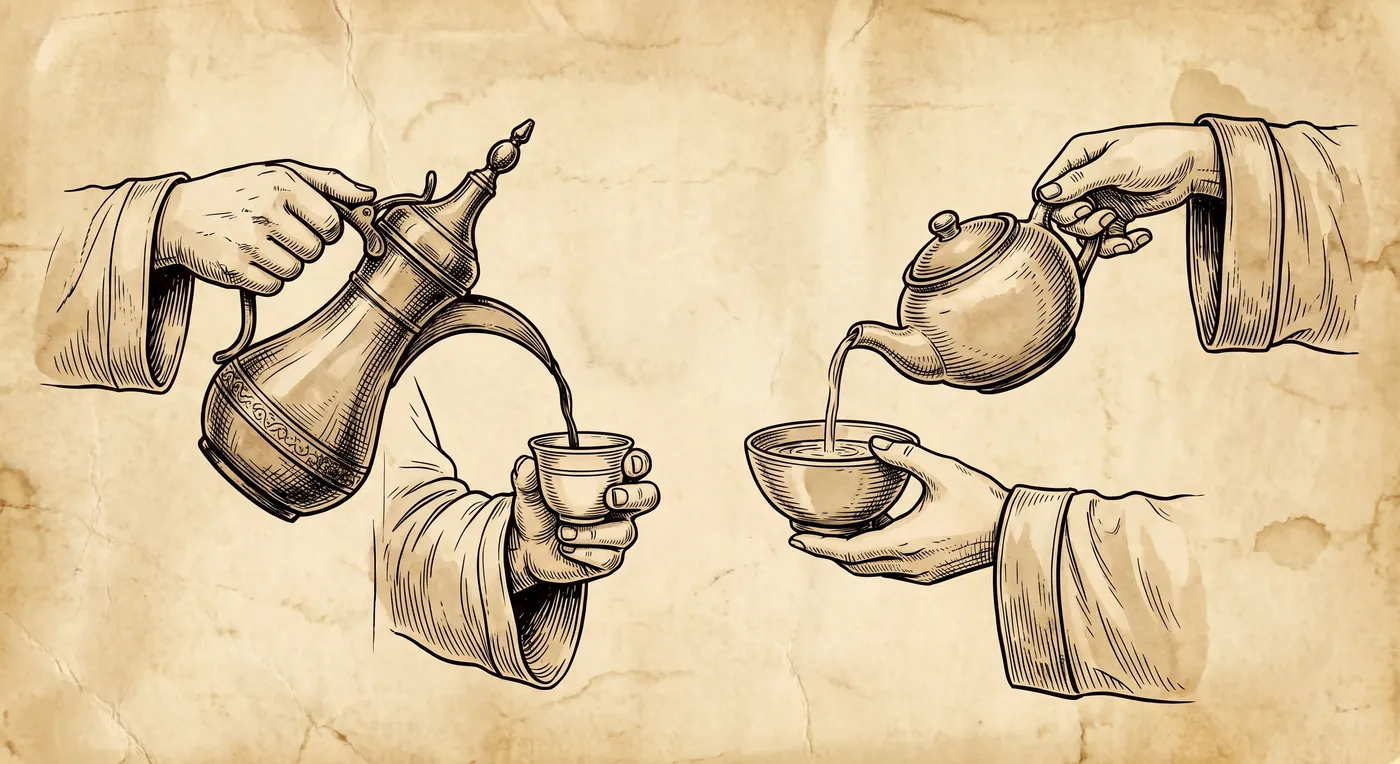
Two hospitality cultures, thousands of miles apart — the exact same ritual.
الشاي الصيني، والقهوة العربية.
Two hospitality cultures. Thousands of miles apart.
The exact same ritual.
In the Gulf, a guest arrives and coffee appears almost immediately — poured from a dallah into a small cup called a finjān, offered before anything else is discussed. Refusing that first cup is considered a quiet insult.
Neither ritual is really about the drink. Both are about the thirty seconds before anyone’s said anything real — where a host proves, wordlessly, that you’re welcome.
The order matters more than the drink
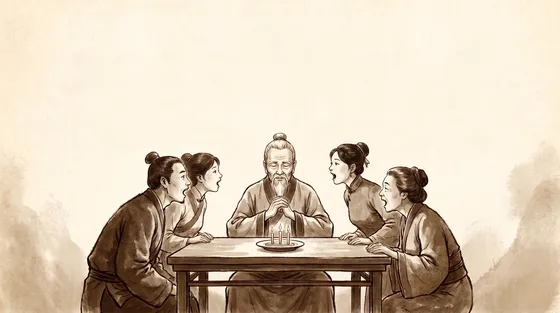
In a Gulf majlis, coffee is served by age and status — the eldest first, always. In a Chinese household, the same rule holds. Neither culture invented this because of the beverage. Coffee and tea just became the vehicle for something both already believed: hospitality has an order, and skipping it says something.
Serving order — Gulf coffee: eldest or most honored guest, always first. Chinese tea: elders served before anyone else — a daily rehearsal of the same idea.
Even “I’ve had enough” made the same shape
In Gulf coffee culture, a guest signals they’re done by gently shaking their empty finjān. In Chinese tea culture, a guest taps two fingers on the table, or turns their cup over. Different gestures, same job — two cultures, thousands of miles apart, both deciding this moment deserved a silent, physical language instead of a spoken one.
Both were born in prayer, not commerce
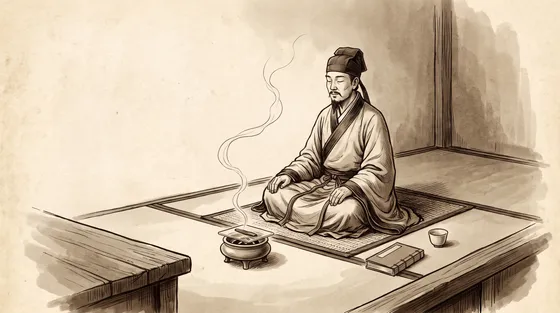
Coffee’s roots run through Sufi mystics in 15th-century Yemen, who drank it to stay awake through nights of devotion. Tea’s roots in China run through Buddhist and Daoist practice, sharpening focus during meditation. Neither started as a social lubricant — both were spiritual tools first.
Both became the original “third place”
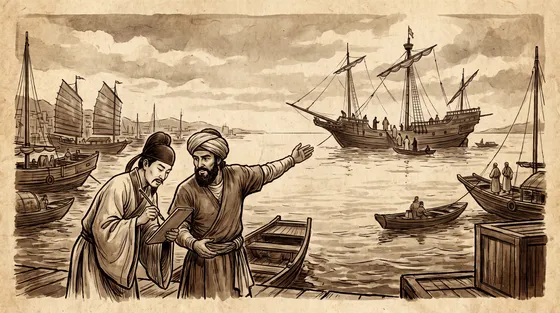
Arab coffeehouses were once called “schools of the wise” — where poets and merchants gathered to argue and think aloud. Chinese teahouses did the same work on the other side of the continent. Neither civilization needed the other to arrive at the same idea.
Next time you’re offered qahwa or cha, notice the thirty seconds before anyone speaks. That’s not delay. That’s the whole point.